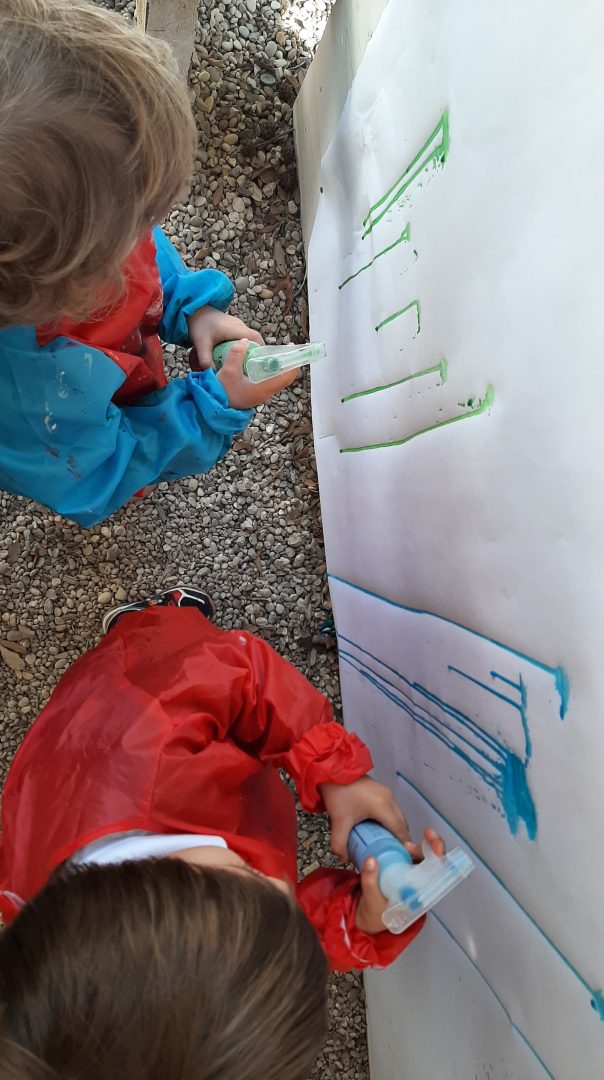
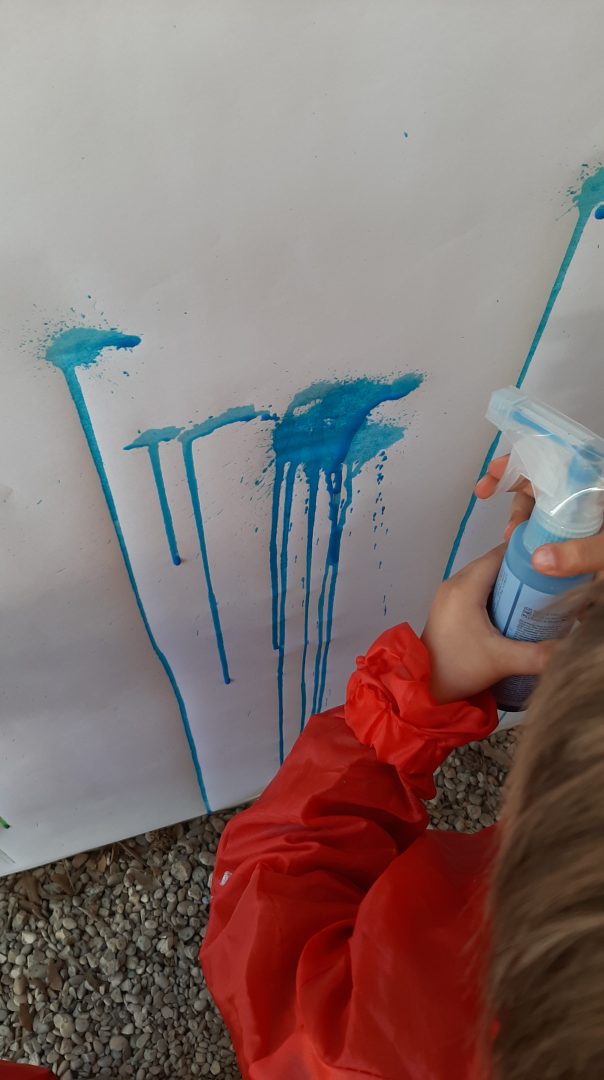
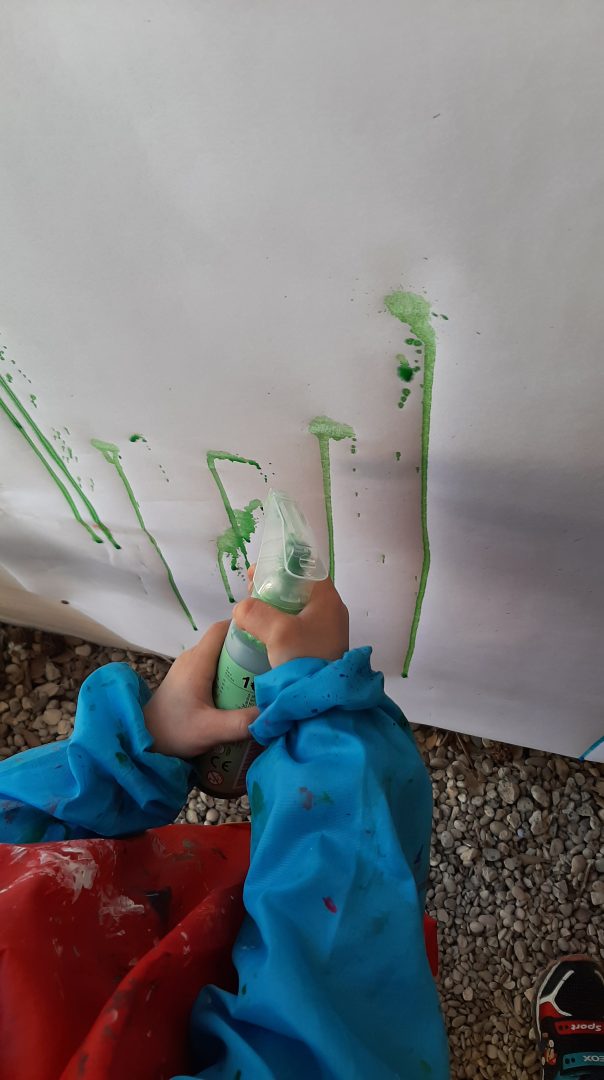
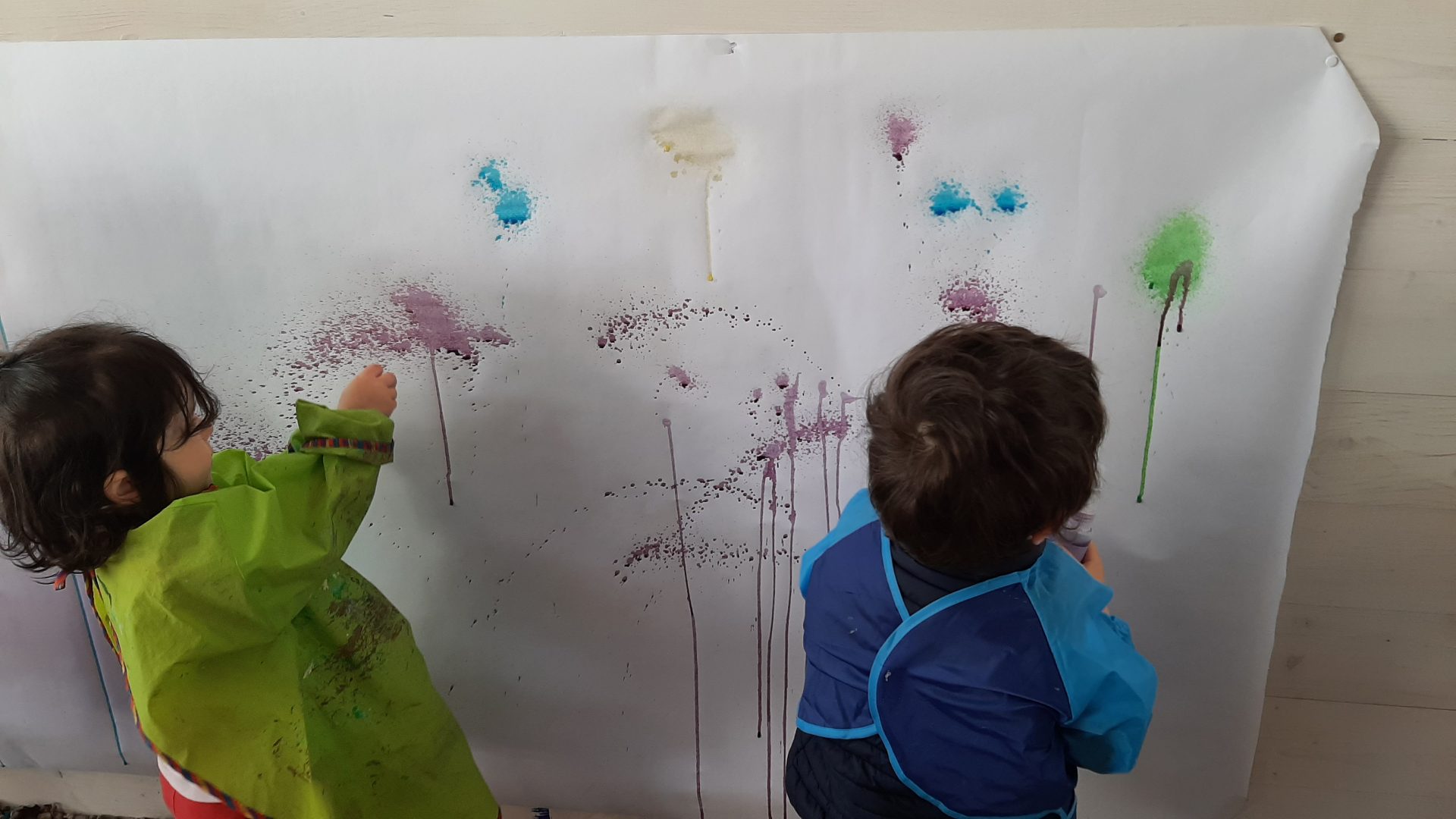
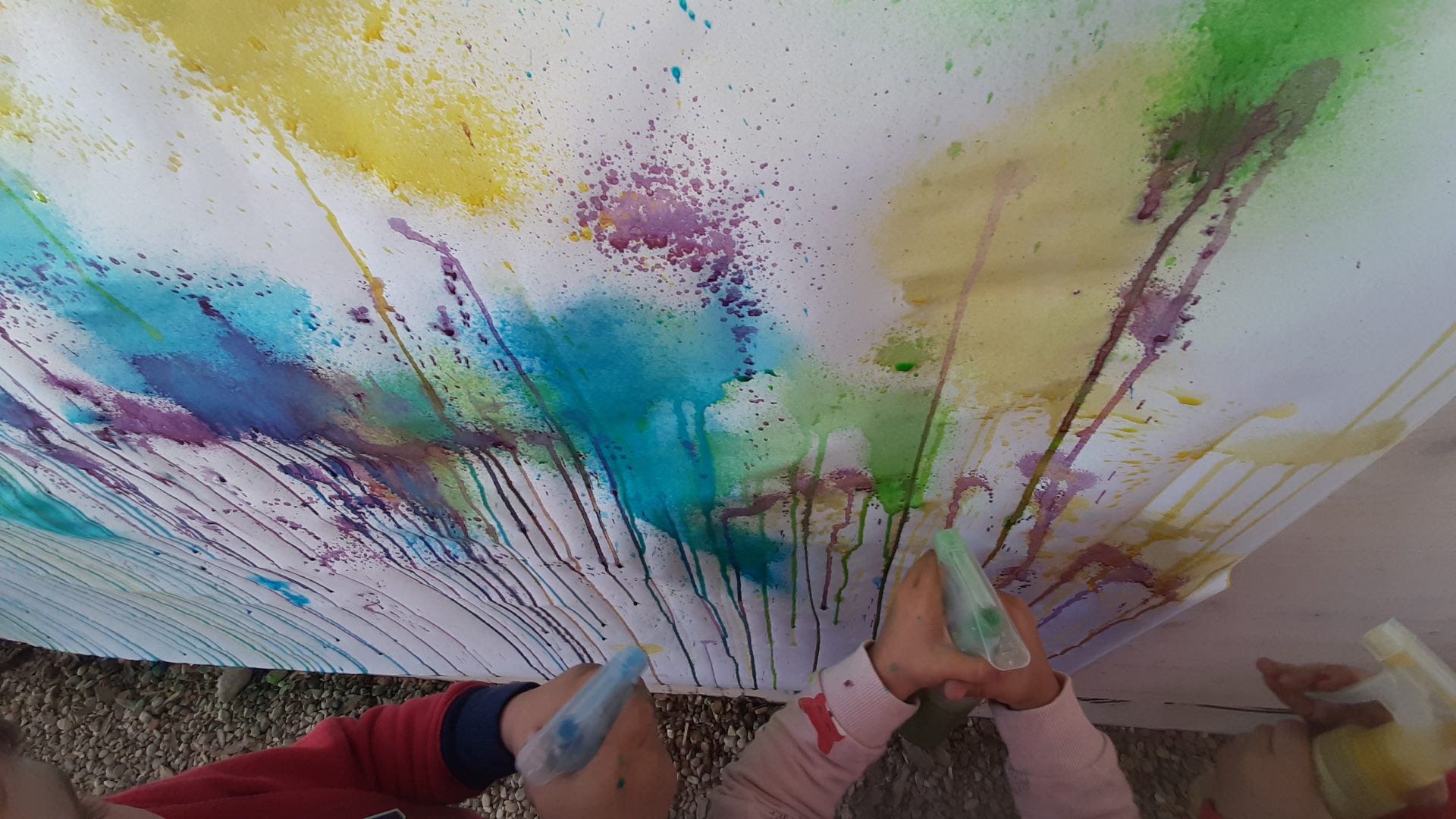
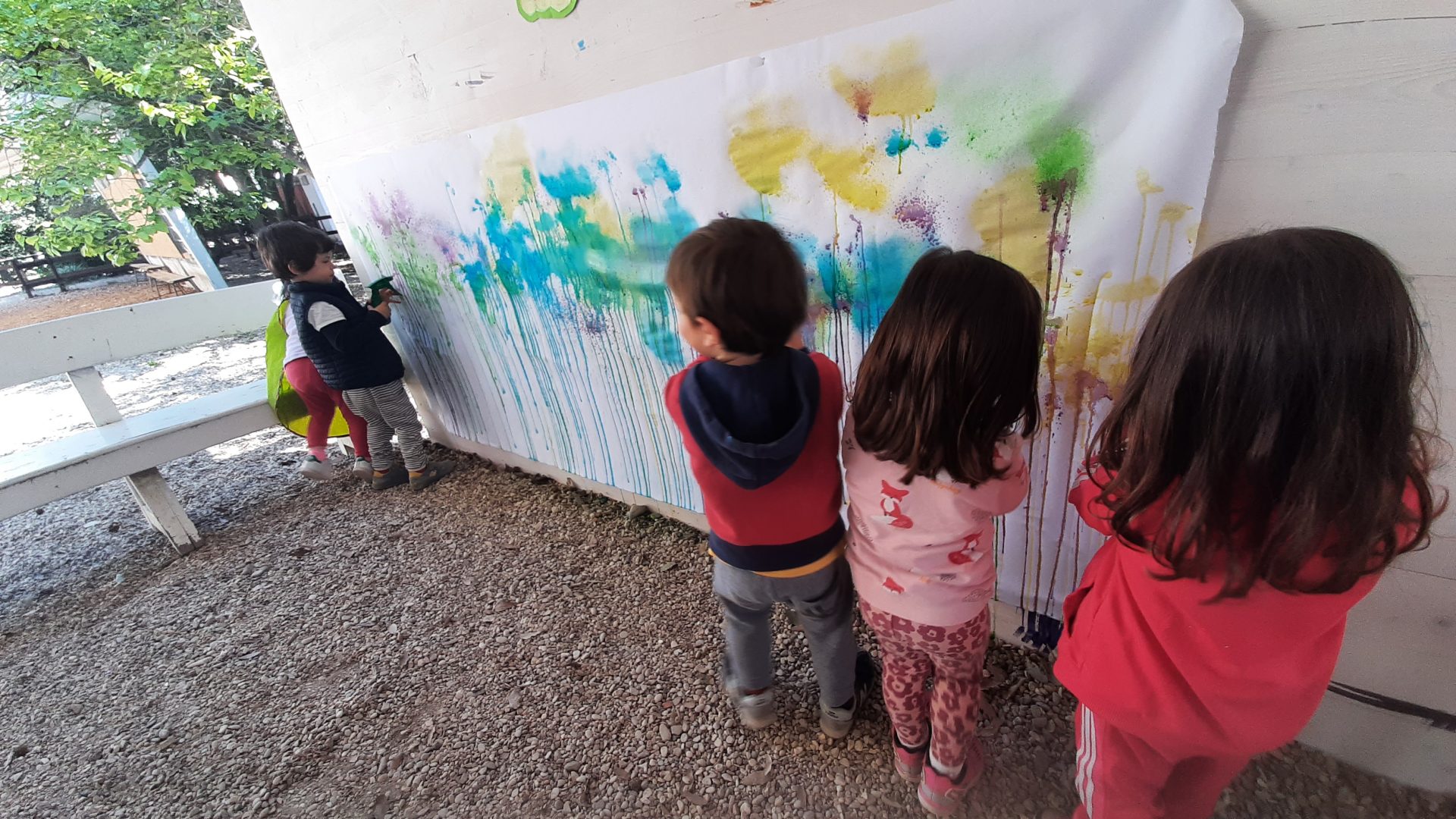
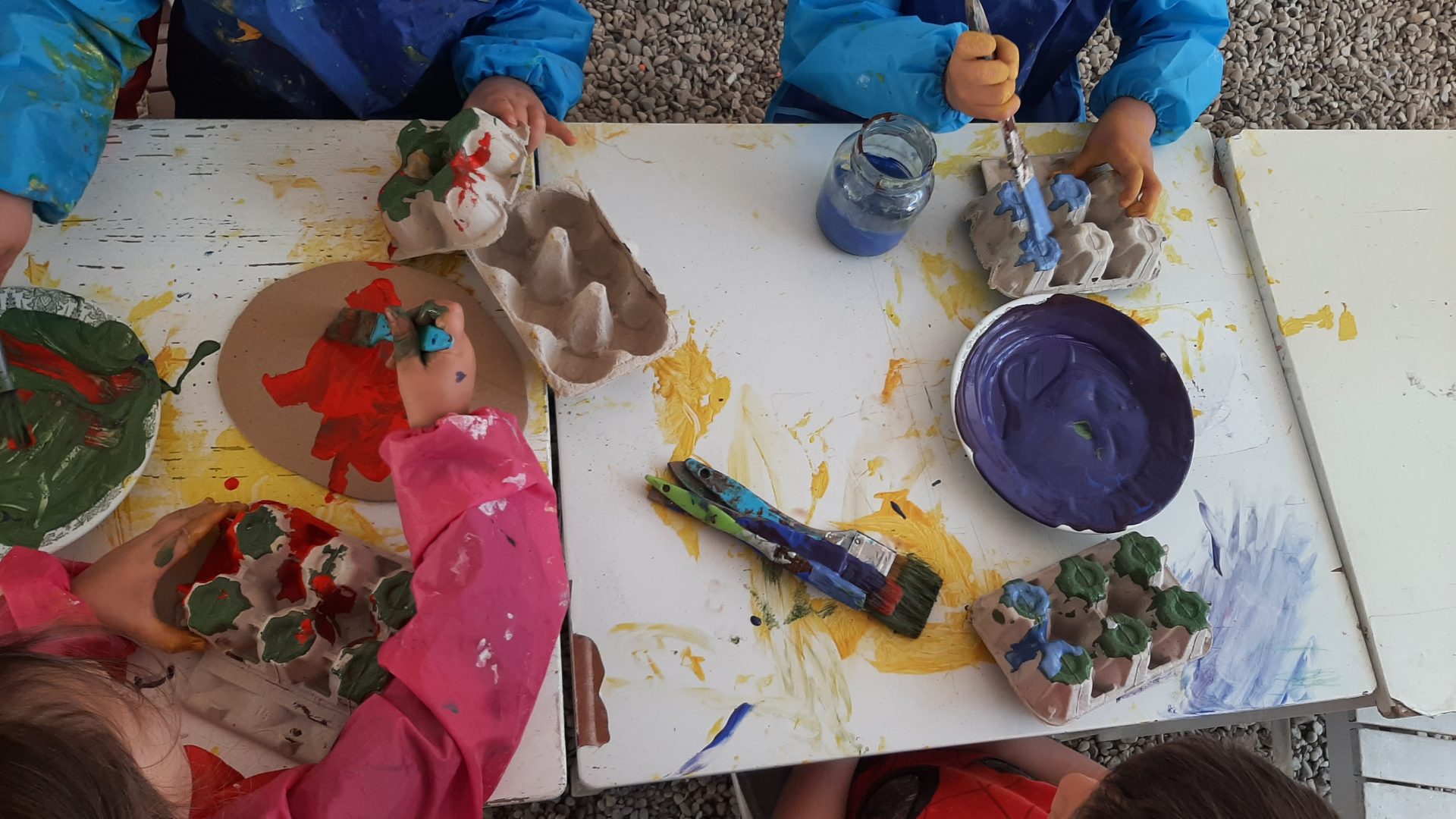
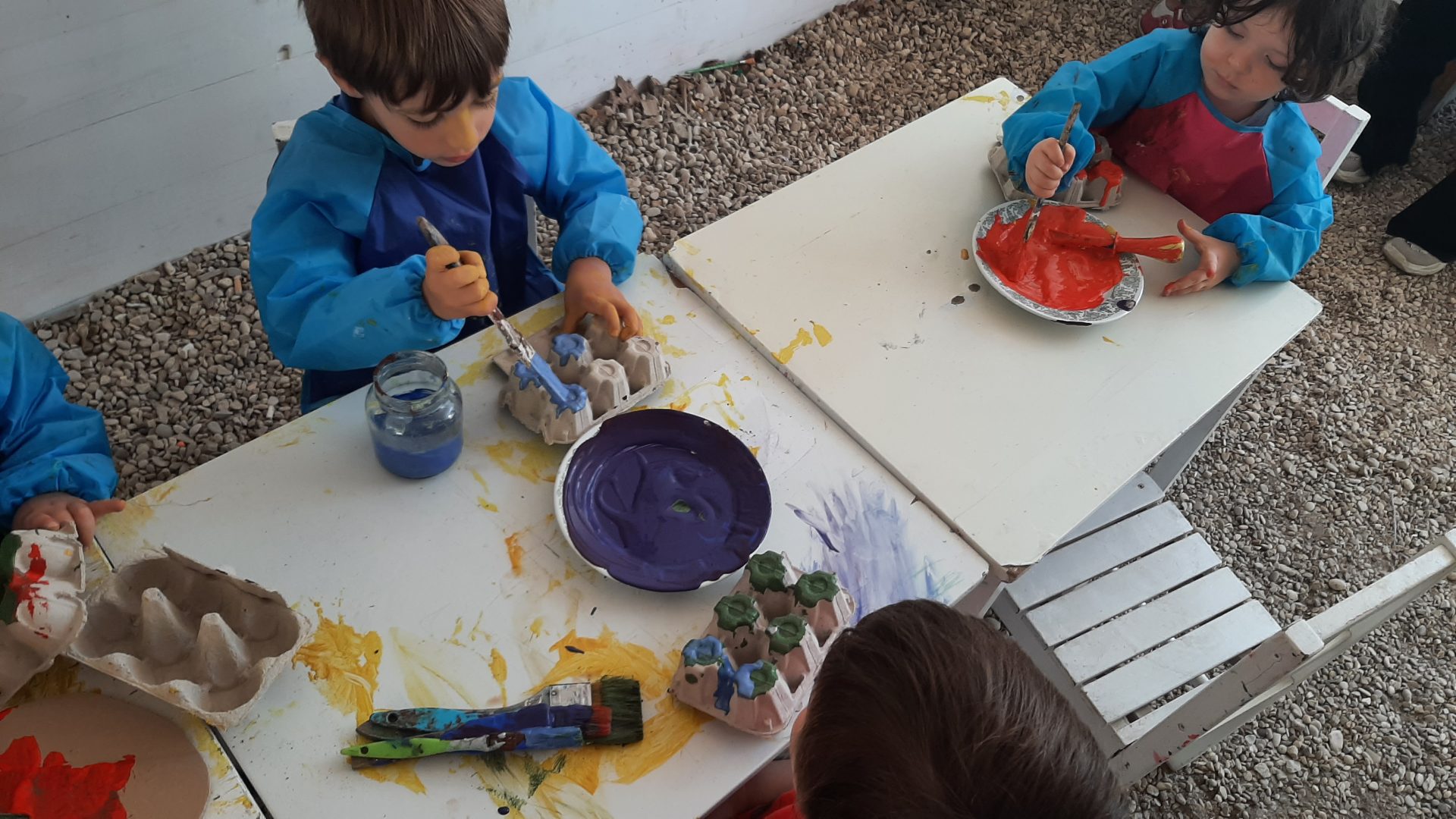
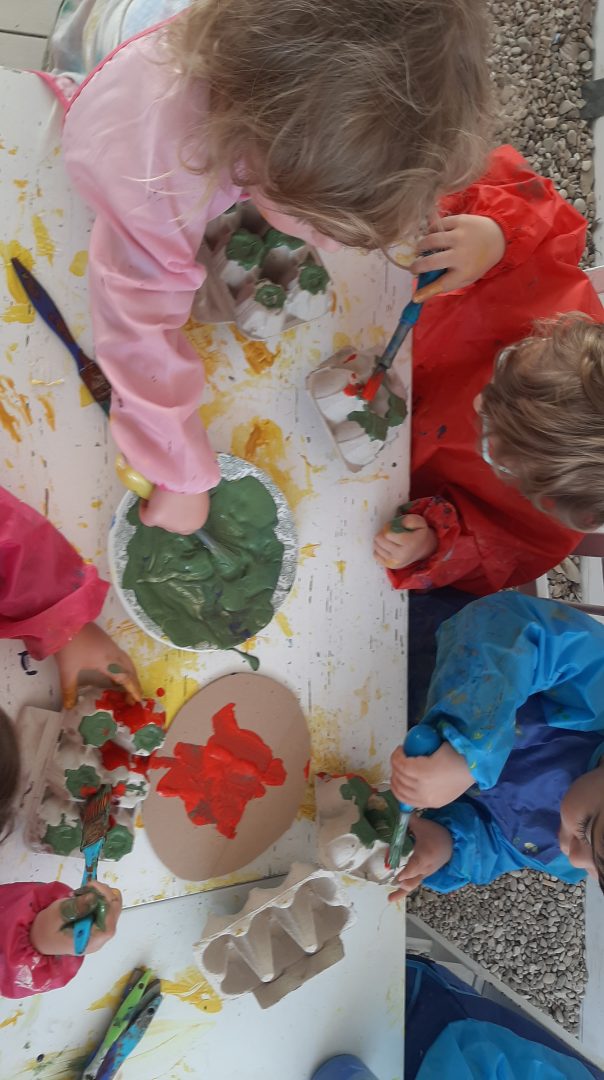
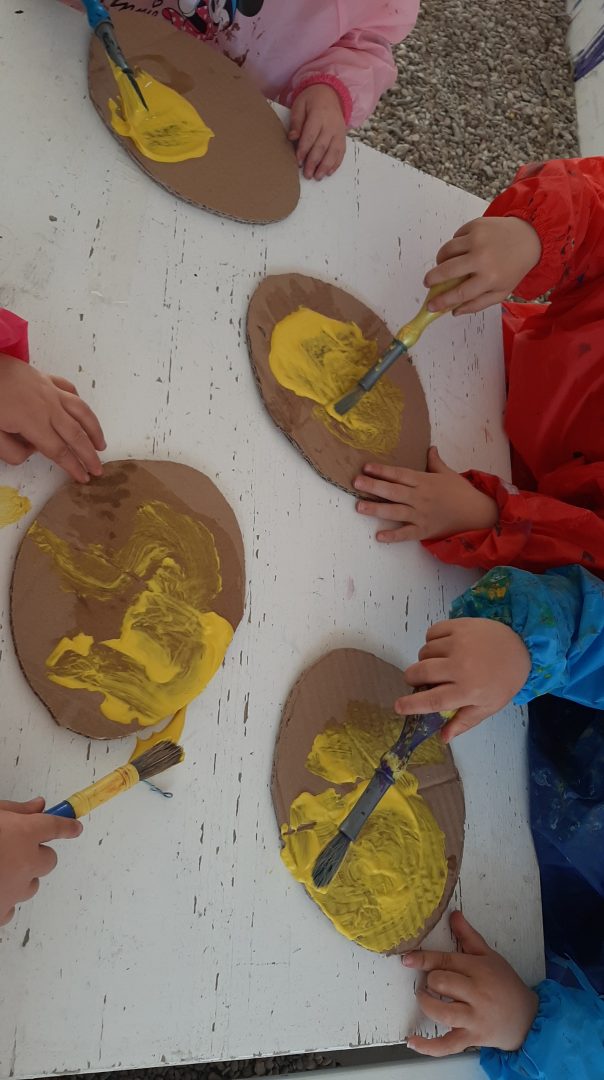
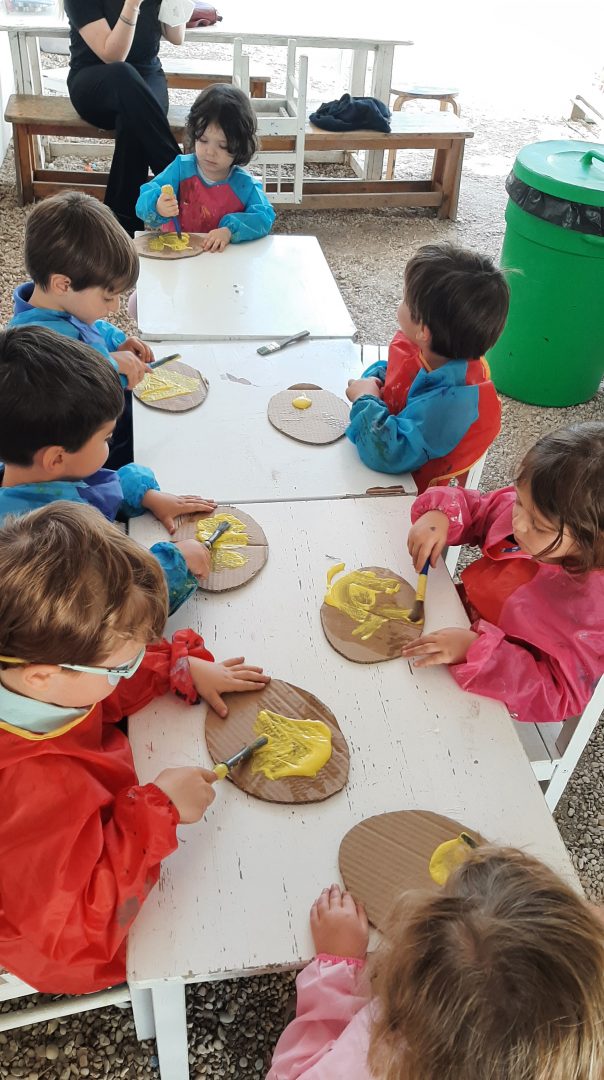
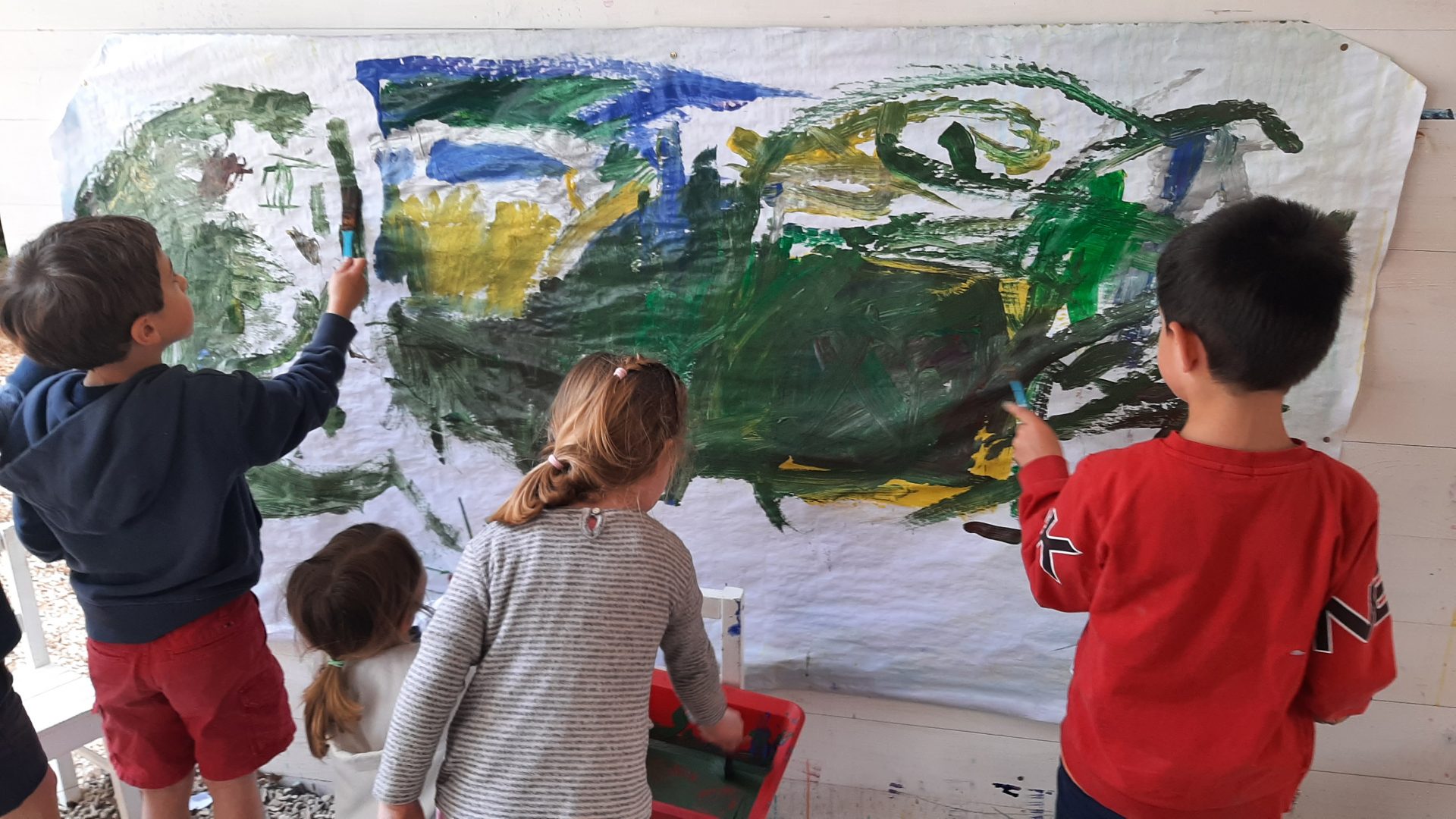
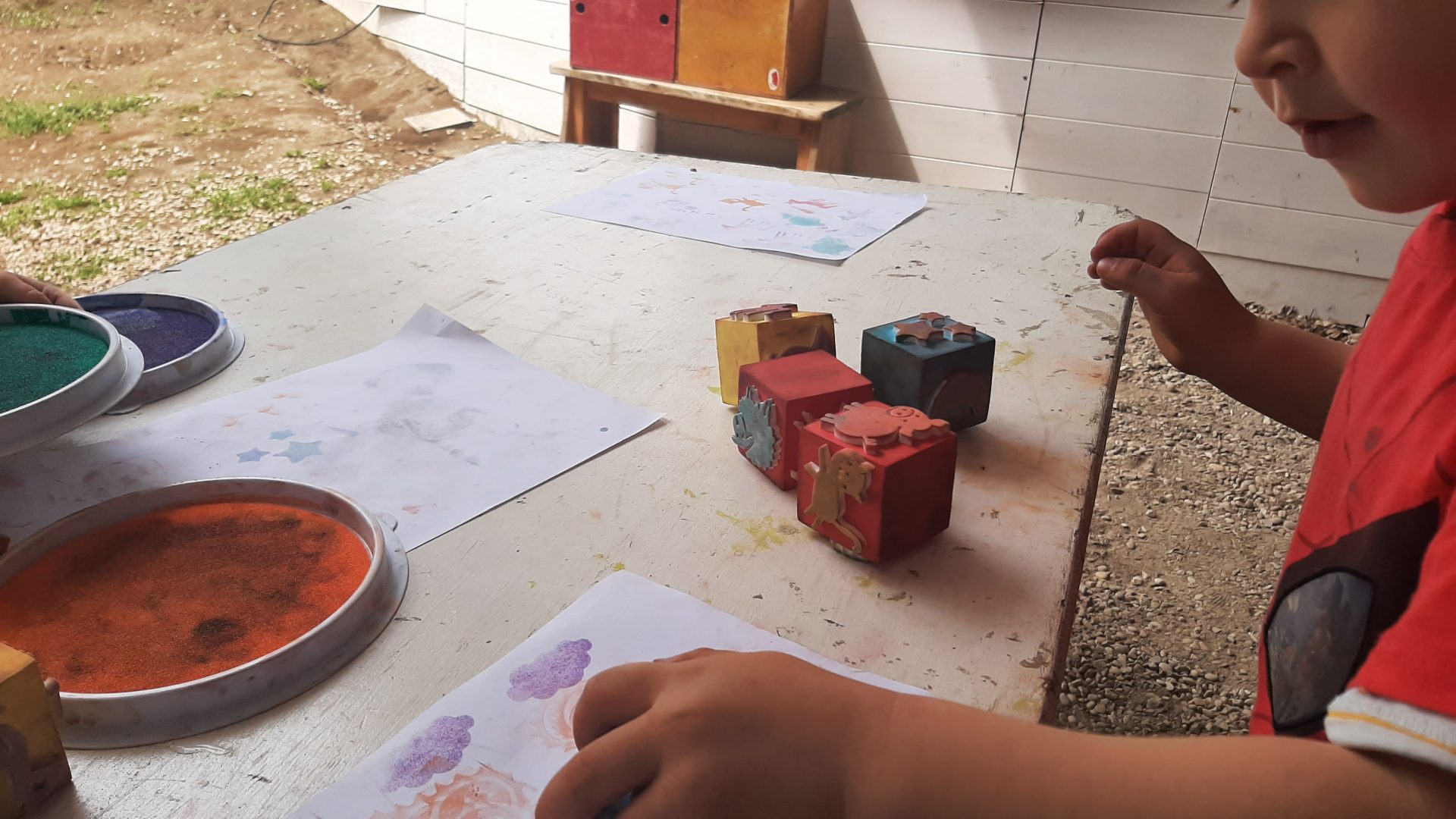
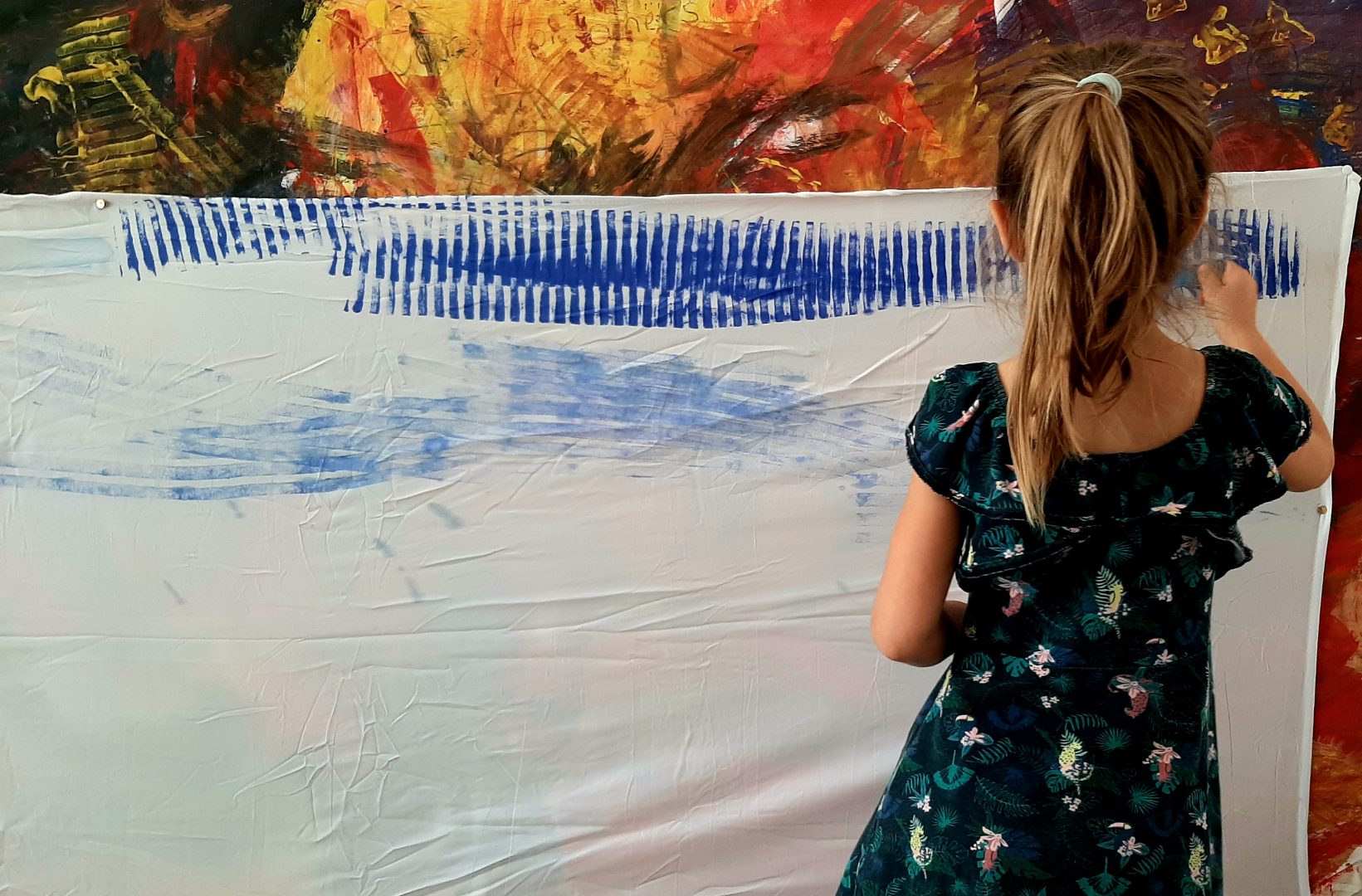
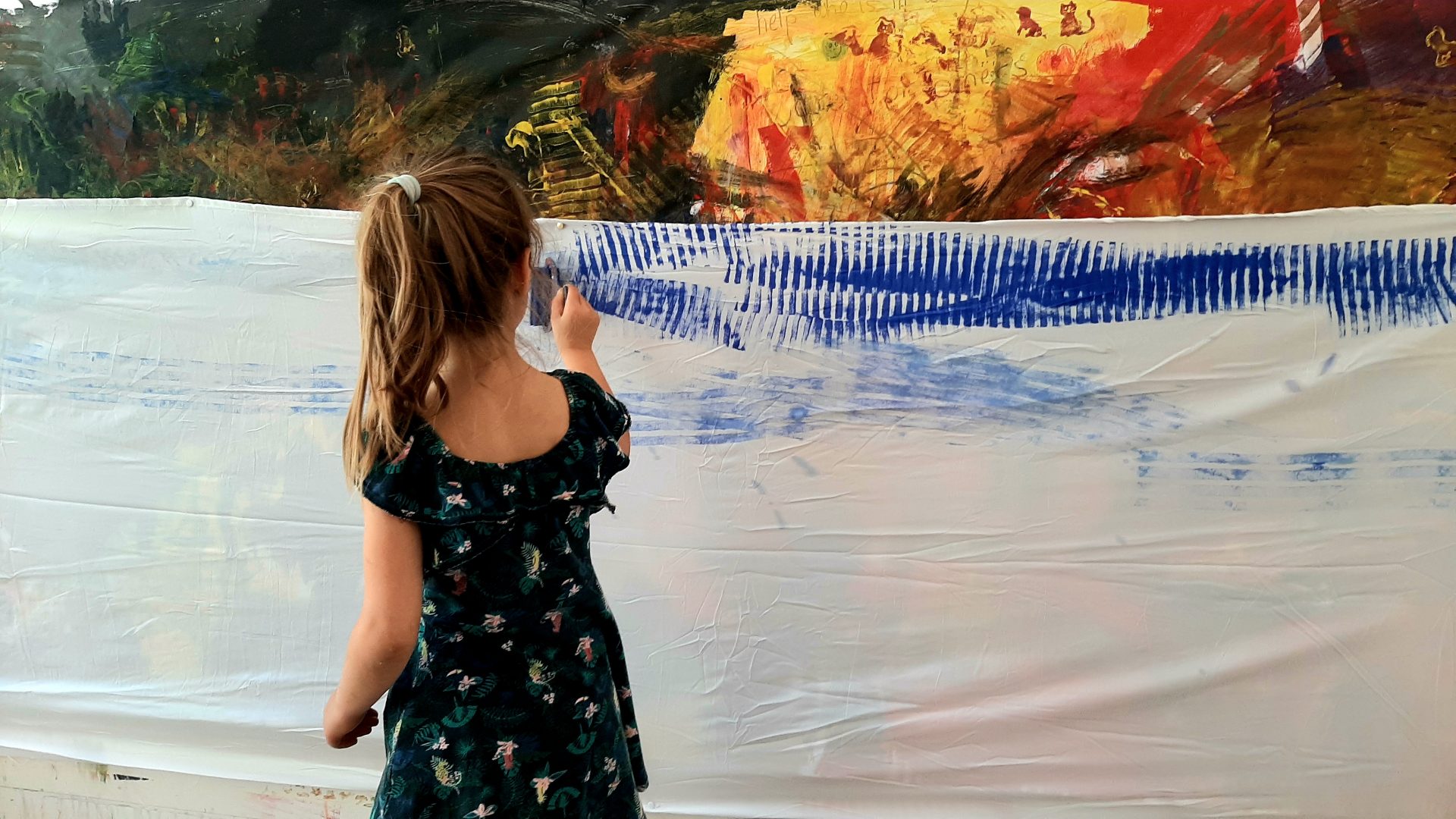
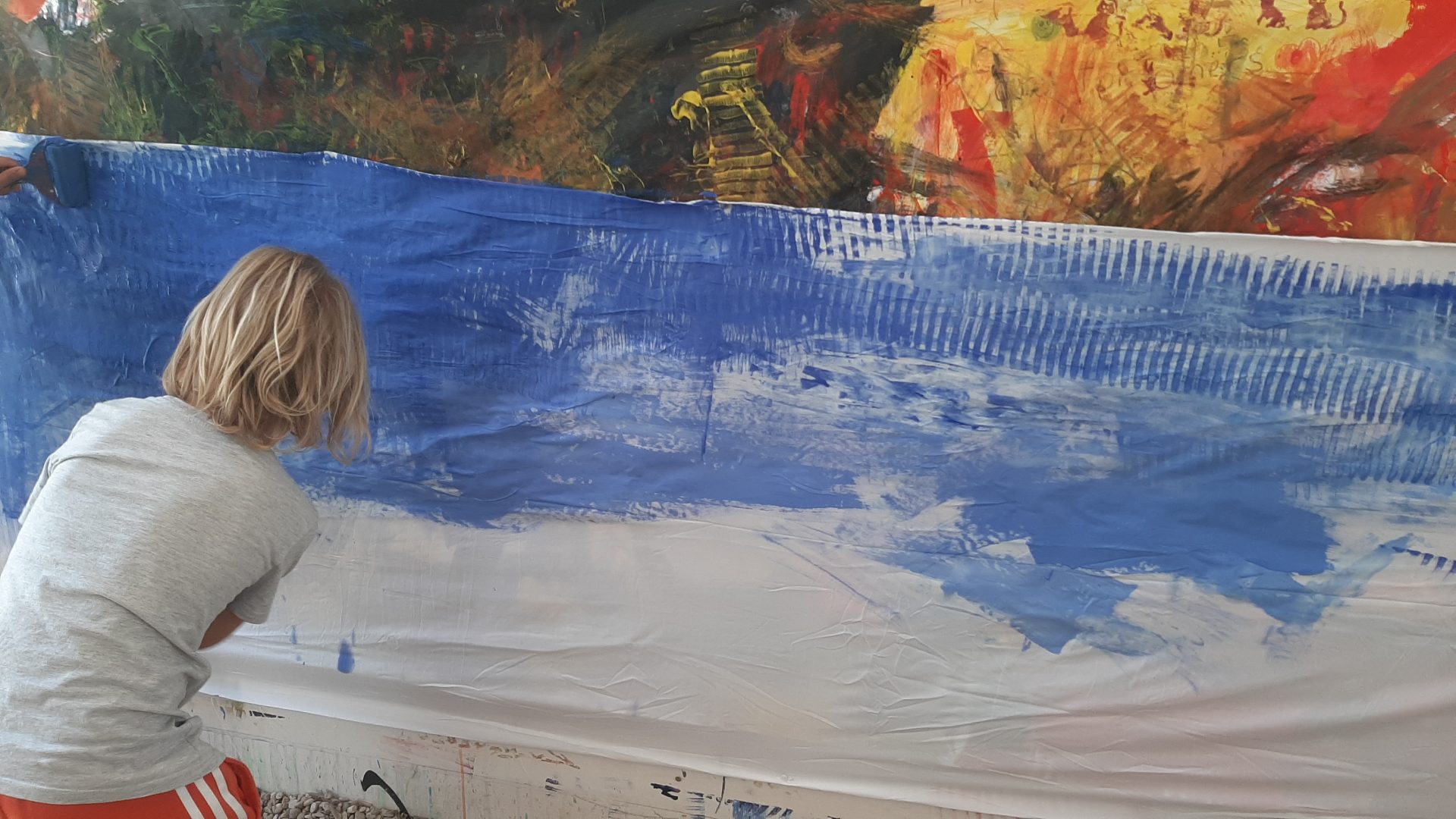
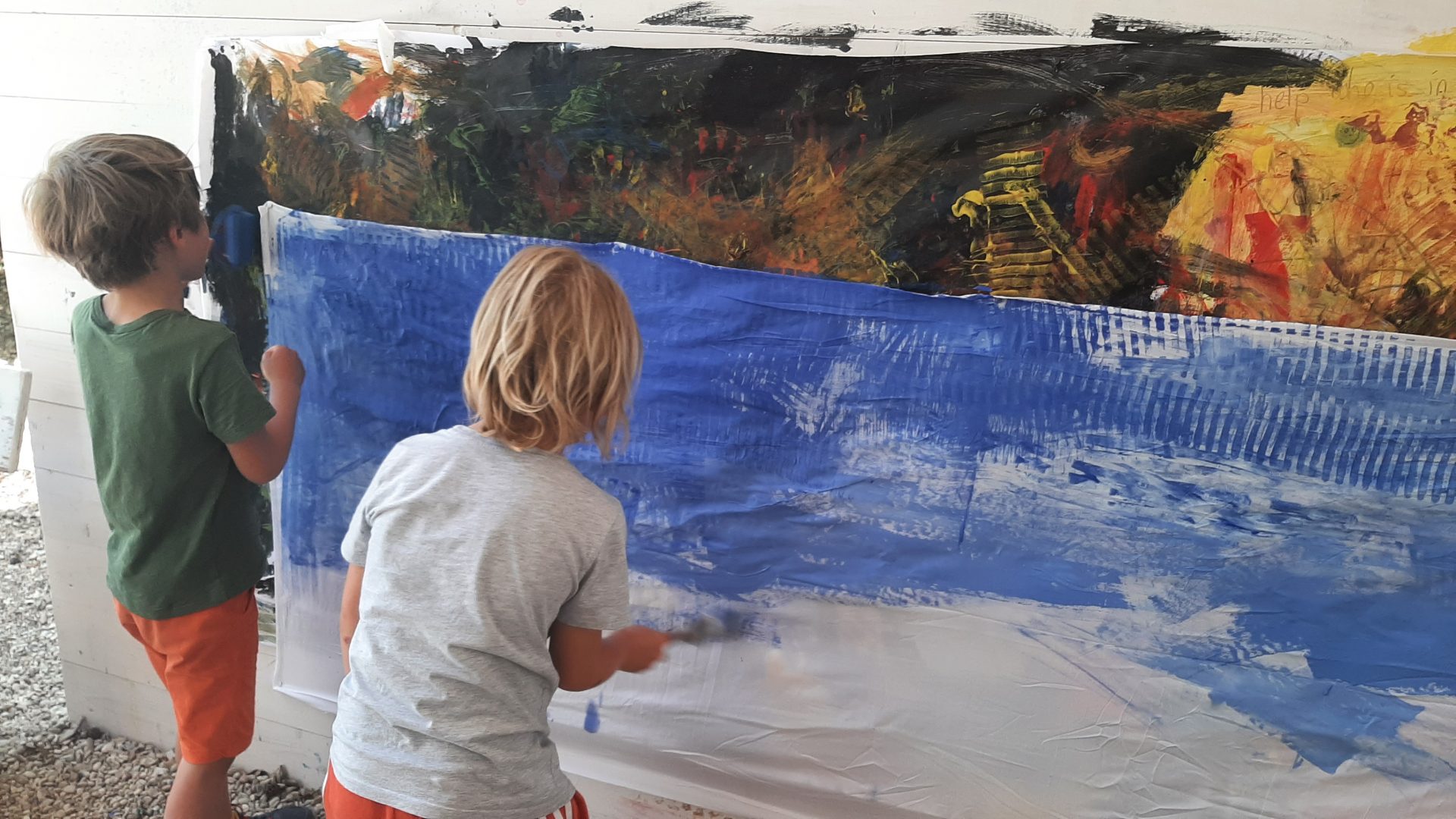
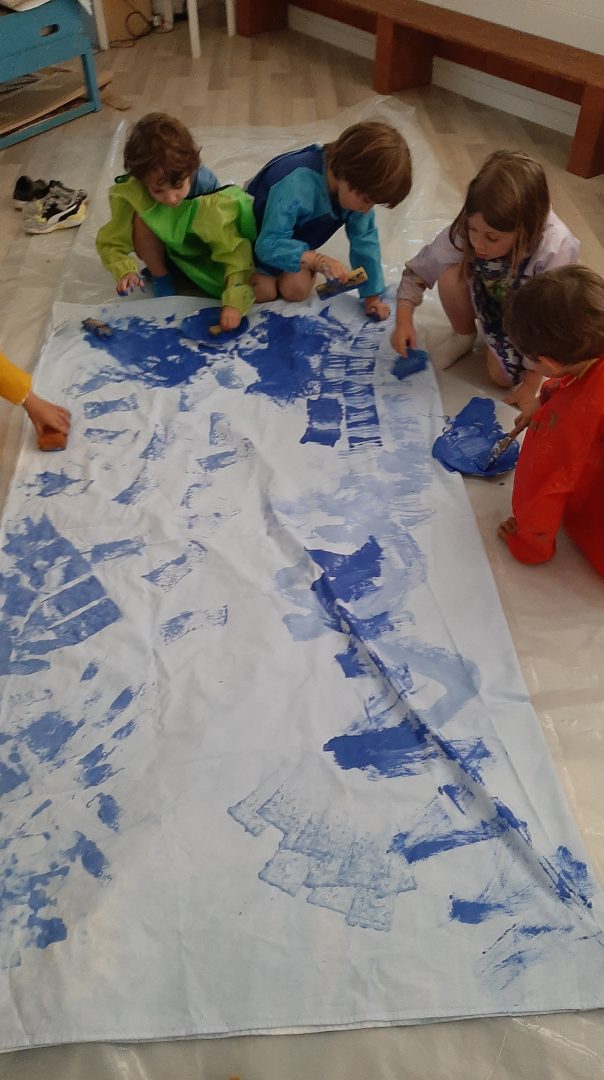
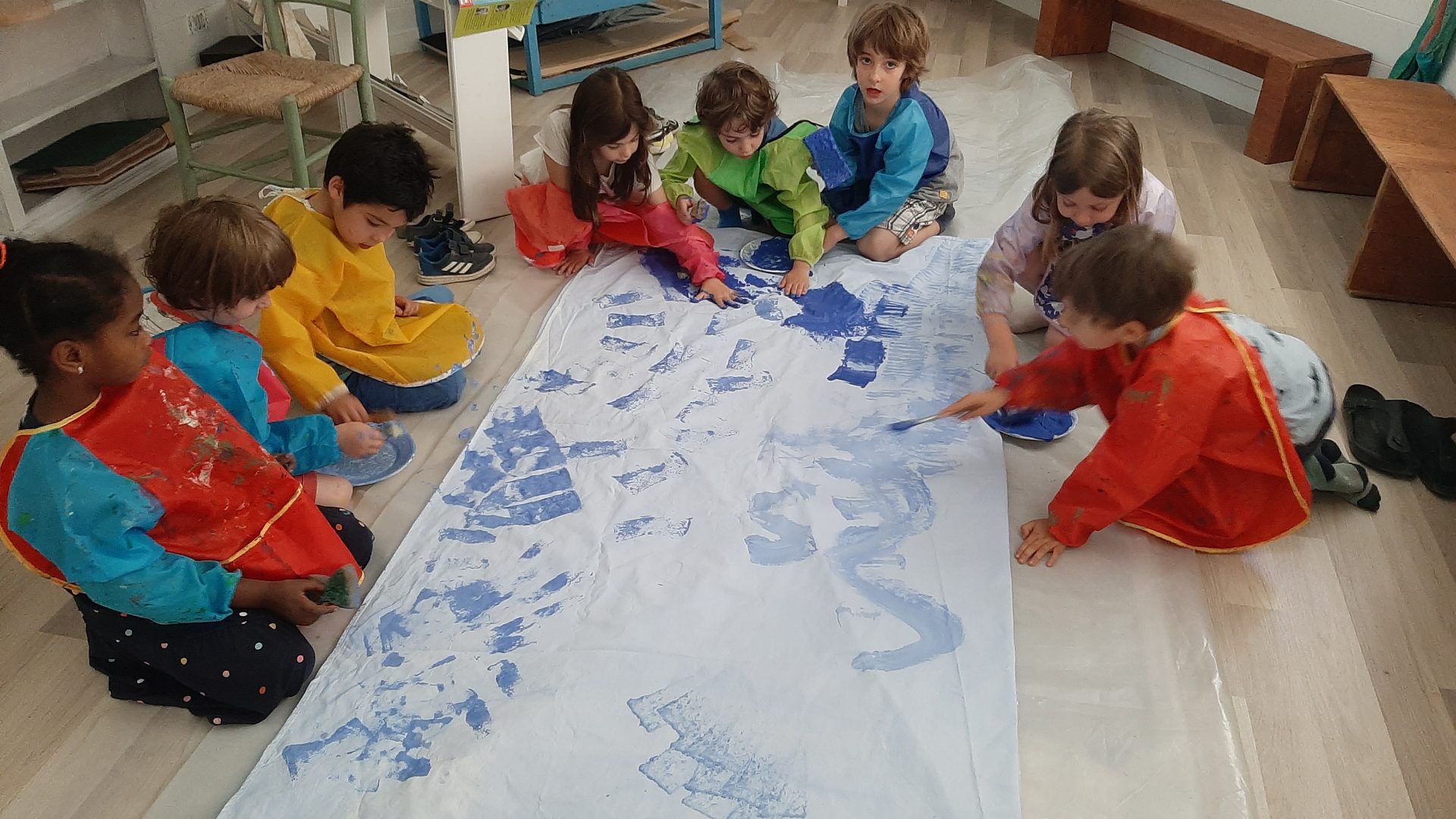
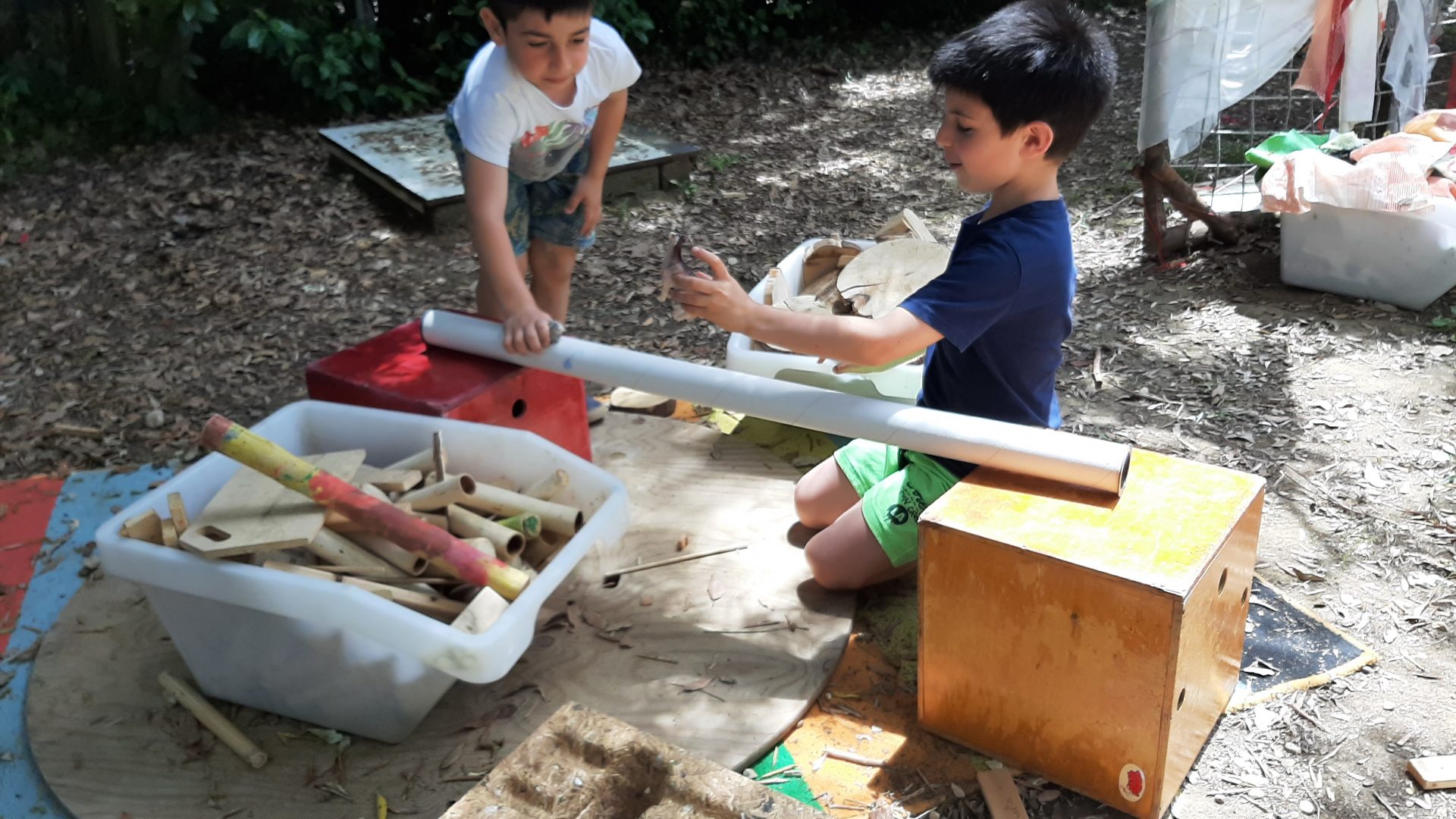
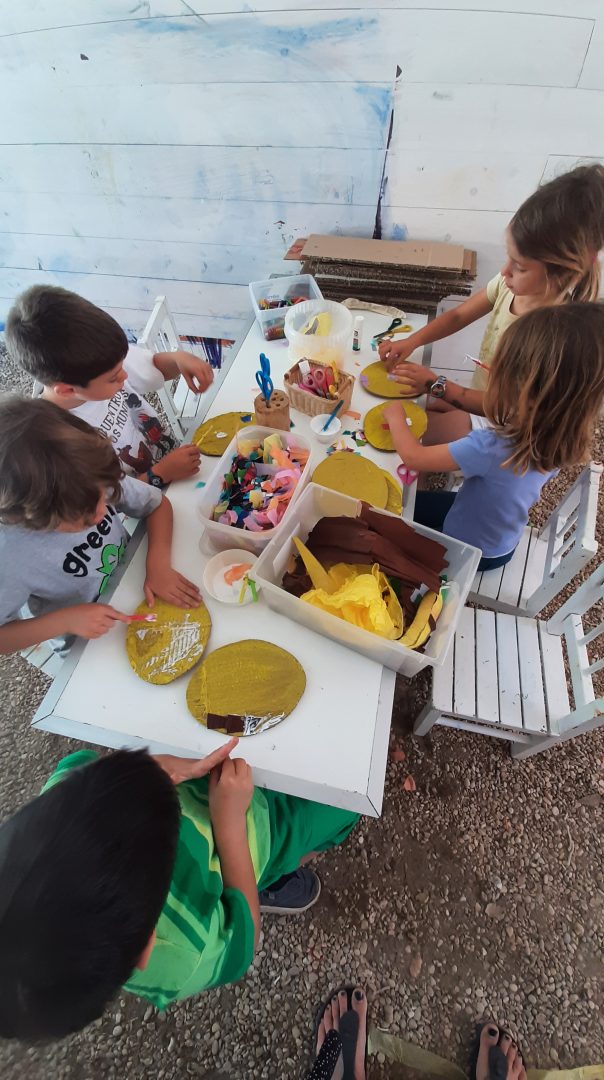
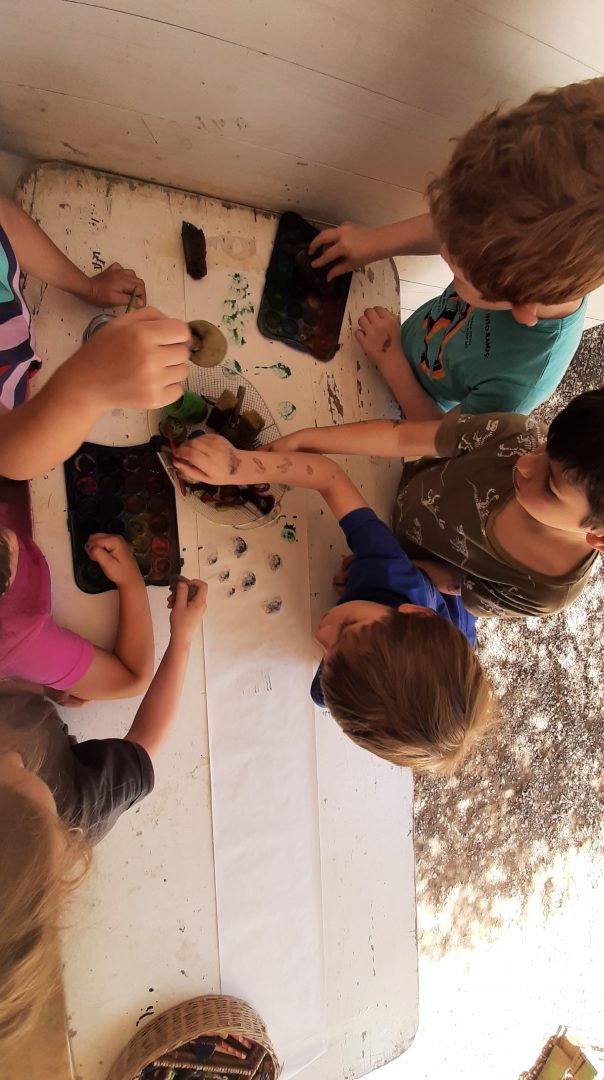
Arts and crafts are an essential part of early childhood education. Through various activities children are able to express themselves through art and connect it back to their learning. The Watercolor Spray Painting activity encourages children to take their fun outside and explore not only their surroundings, but important skills such creating and designing. Arts and crafts also encourages creativity and imagination. Taking arts and crafts outside only further expands these skills, giving children infinite space to think and create.
With just a few materials, the watercolor spray paintings activity is the perfect opportunity to bring arts and crafts to the outdoors……
SPRAY PAINTING..





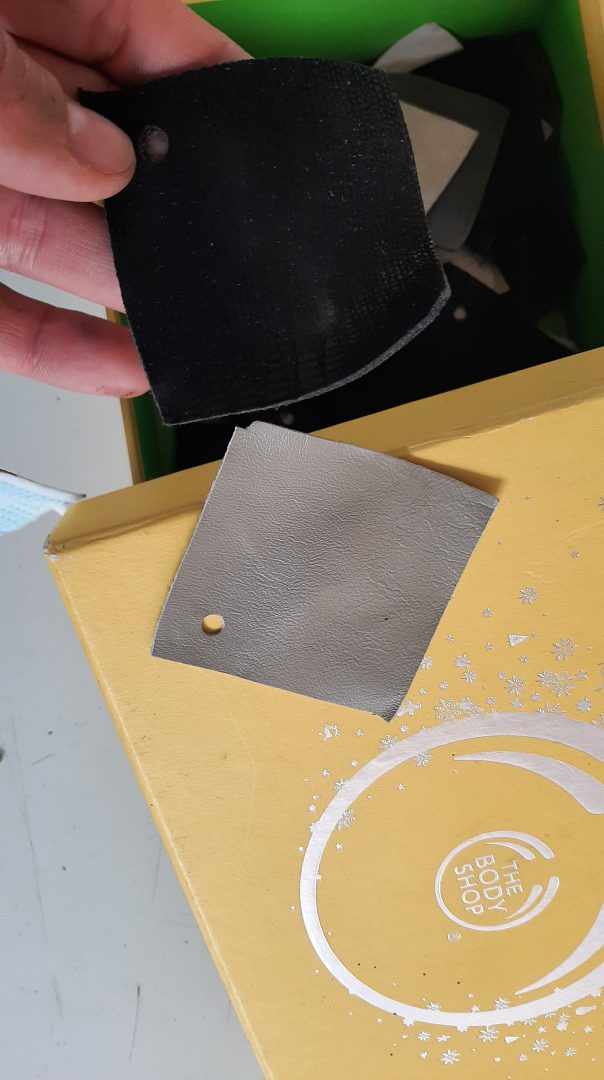
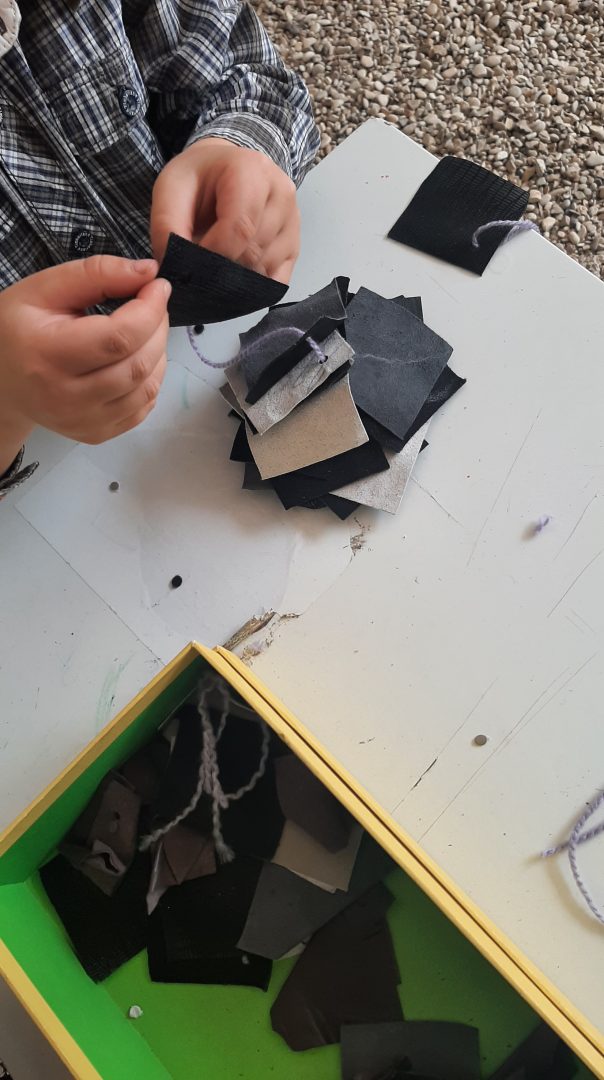
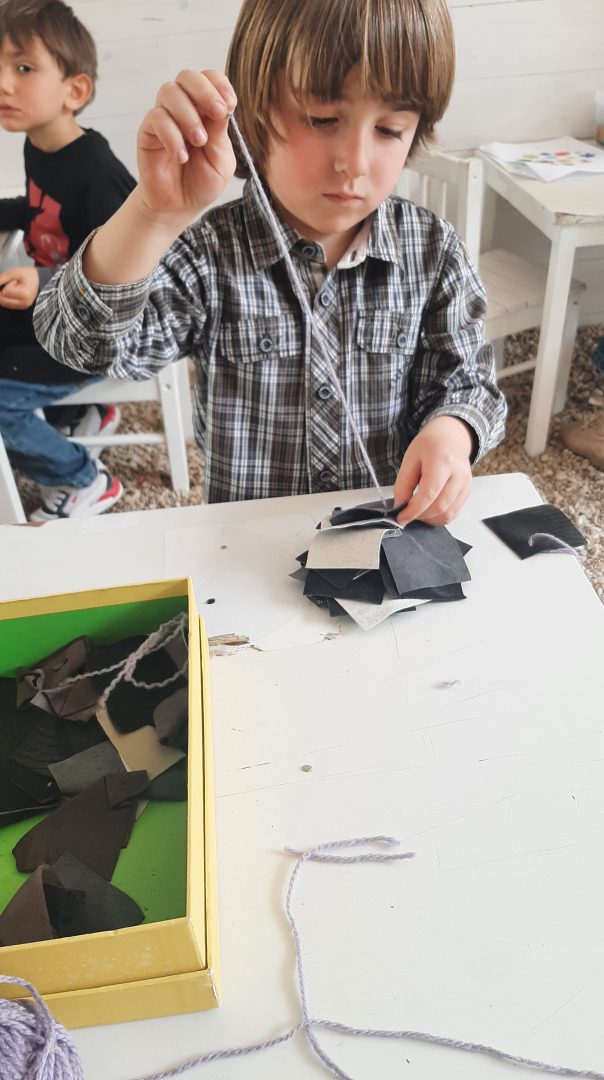
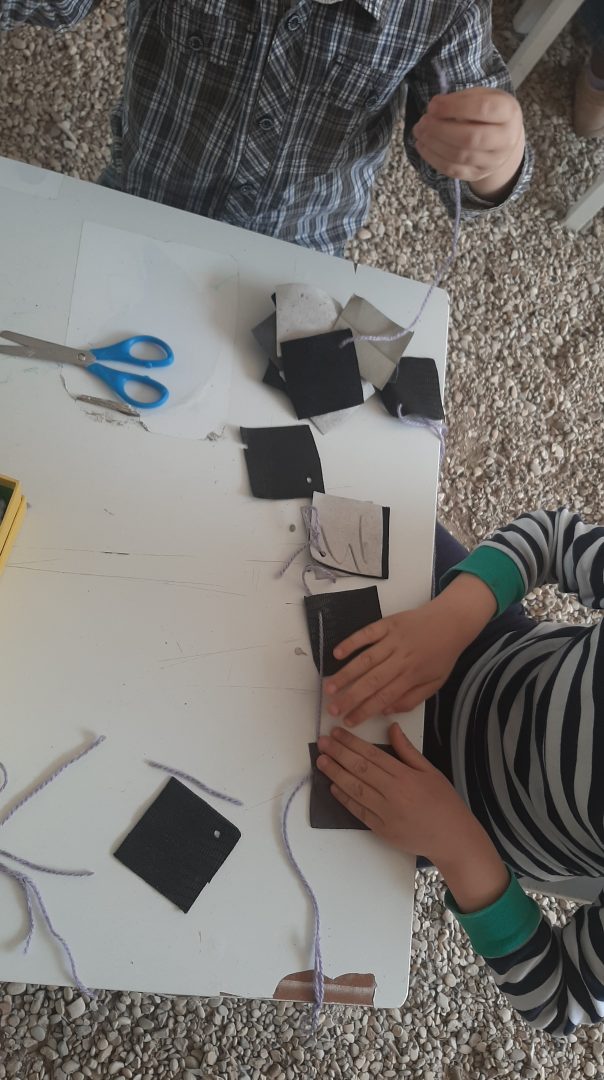
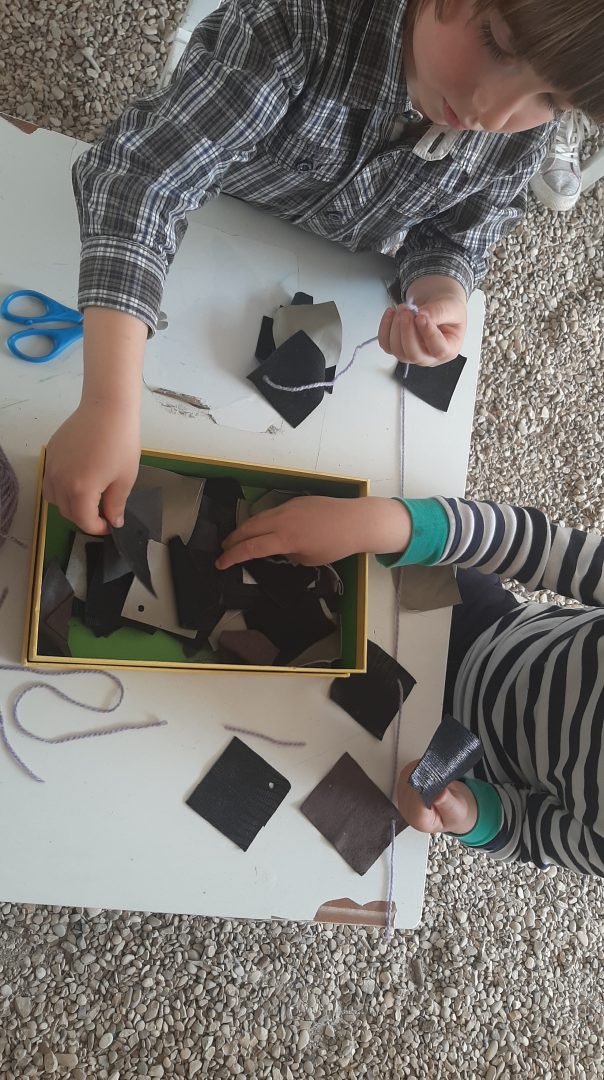
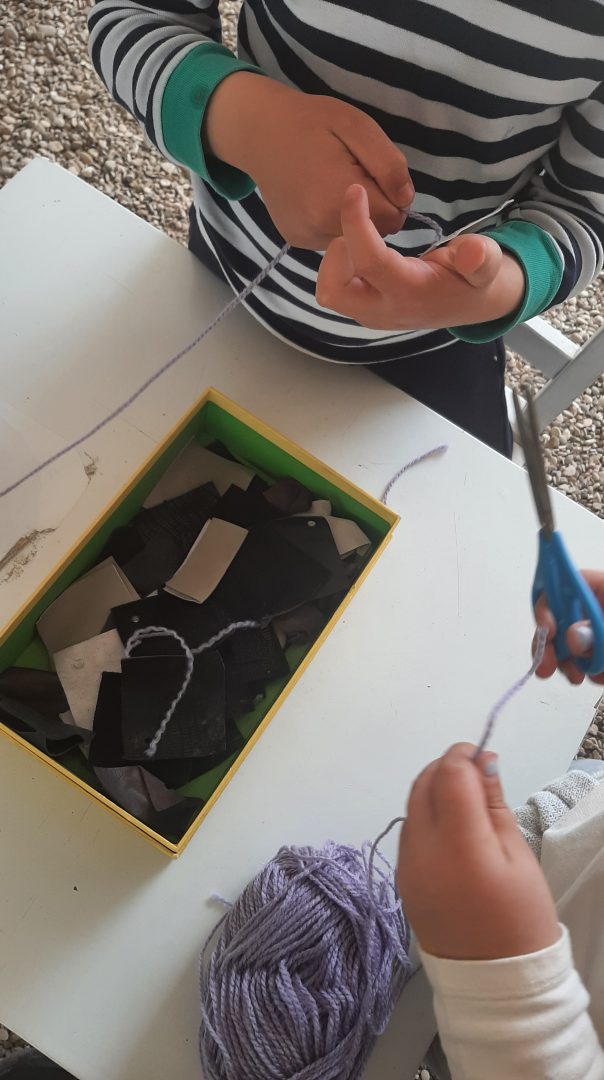
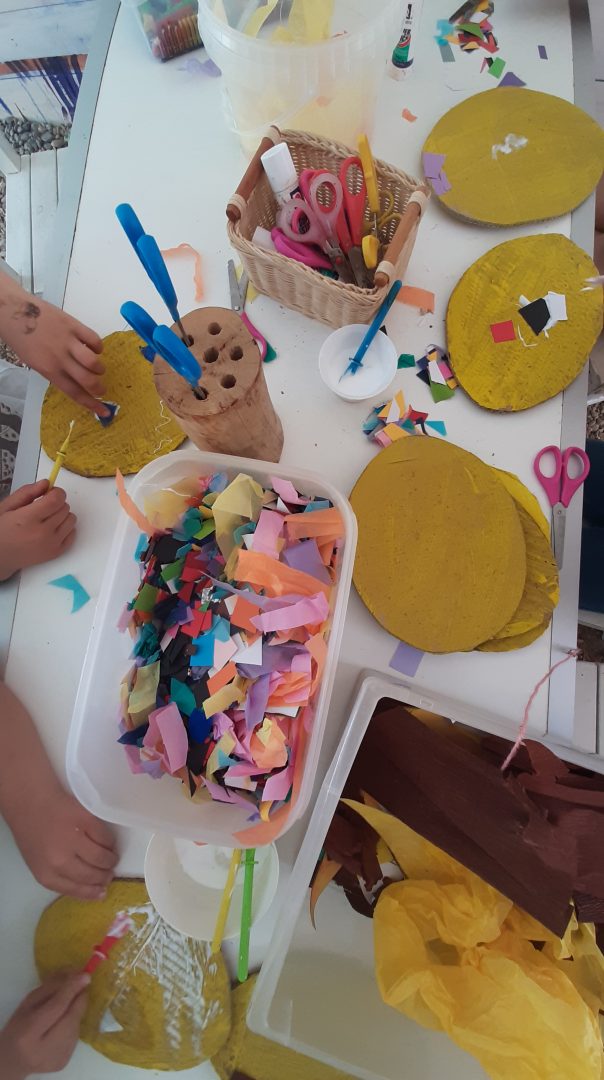
The yellow little Box
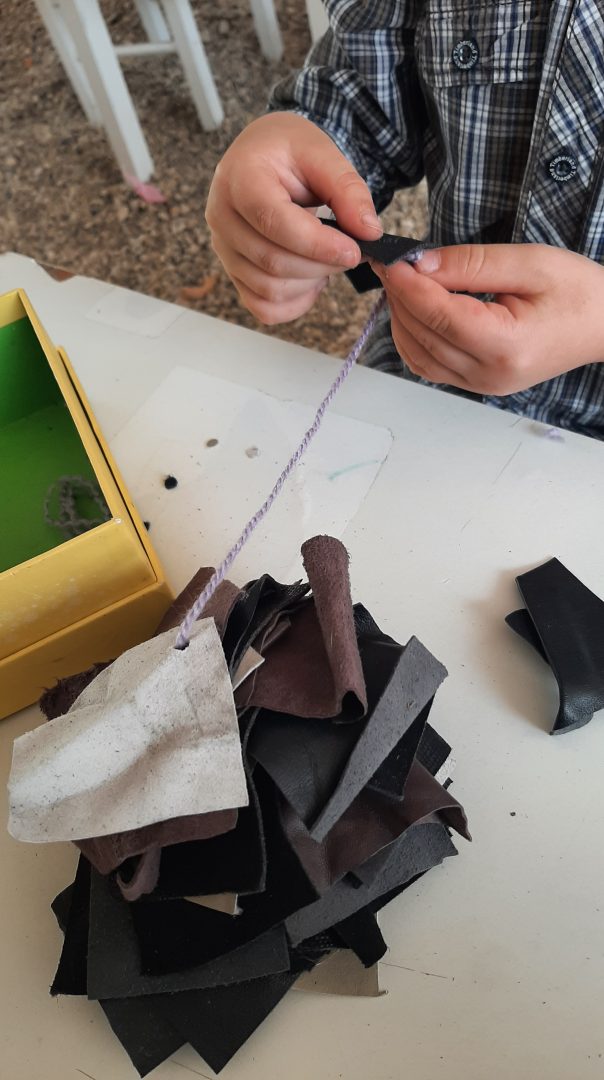
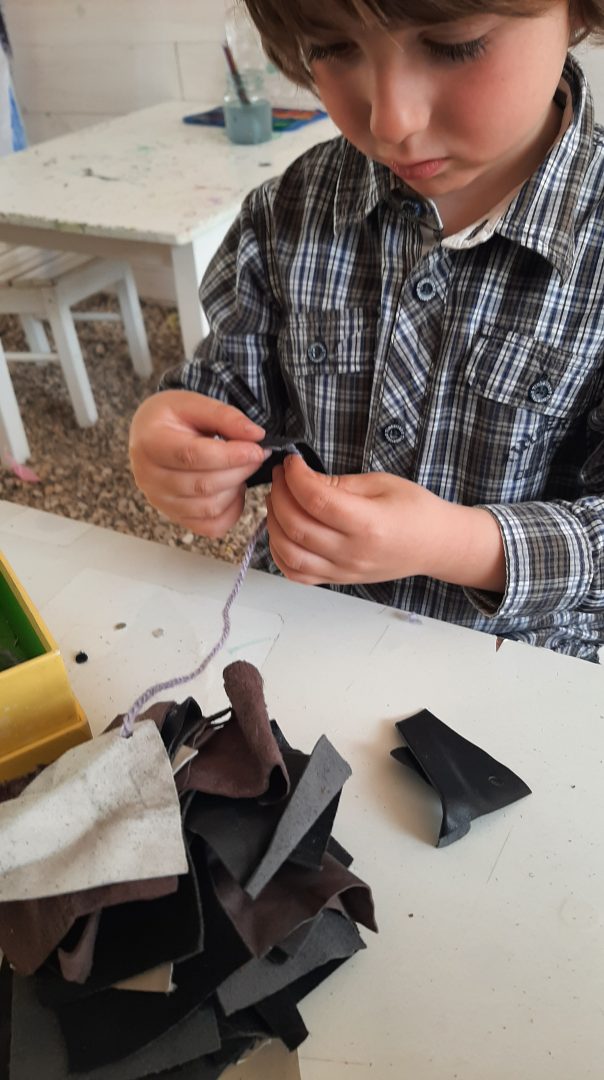
How interesting can a yellow little box be… a yellow little box containing tiny cuts of leather.. Sooooo entertaining!!




Outdoor Activities..
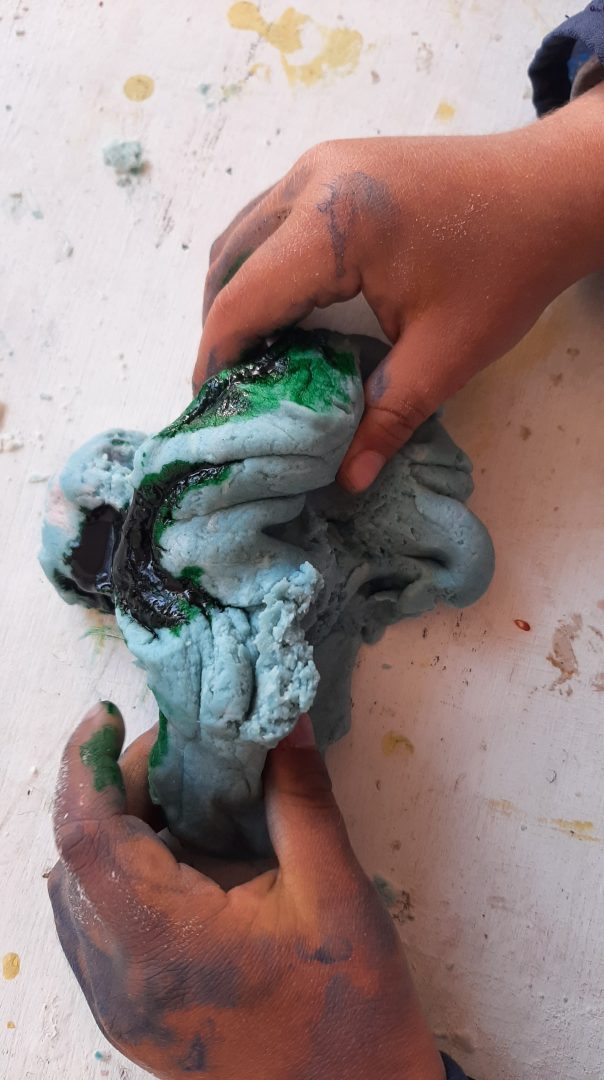
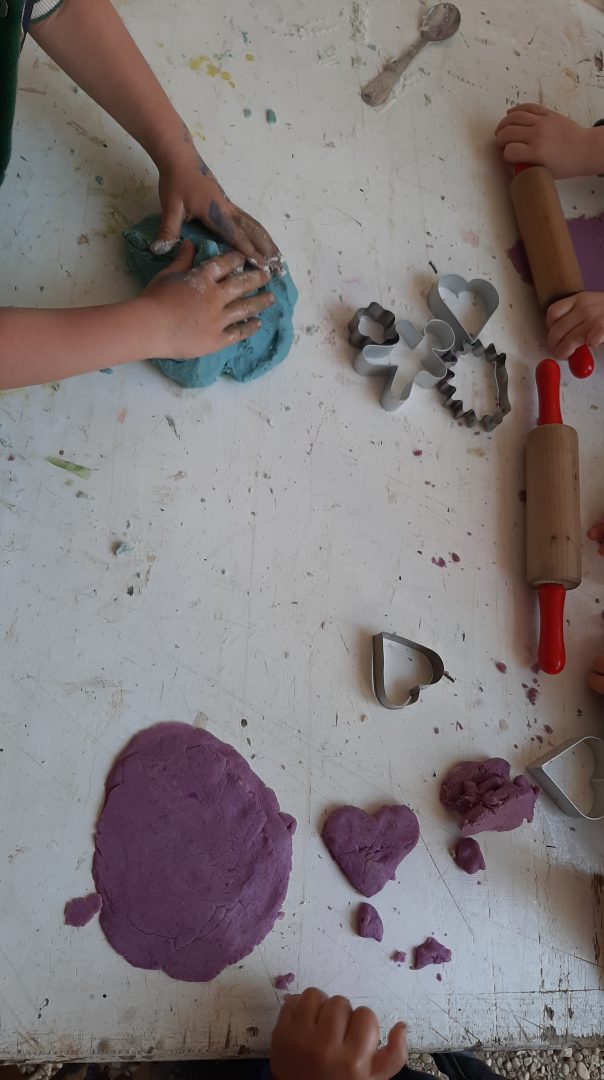
We made Home made Playdough with our pre-schoolers























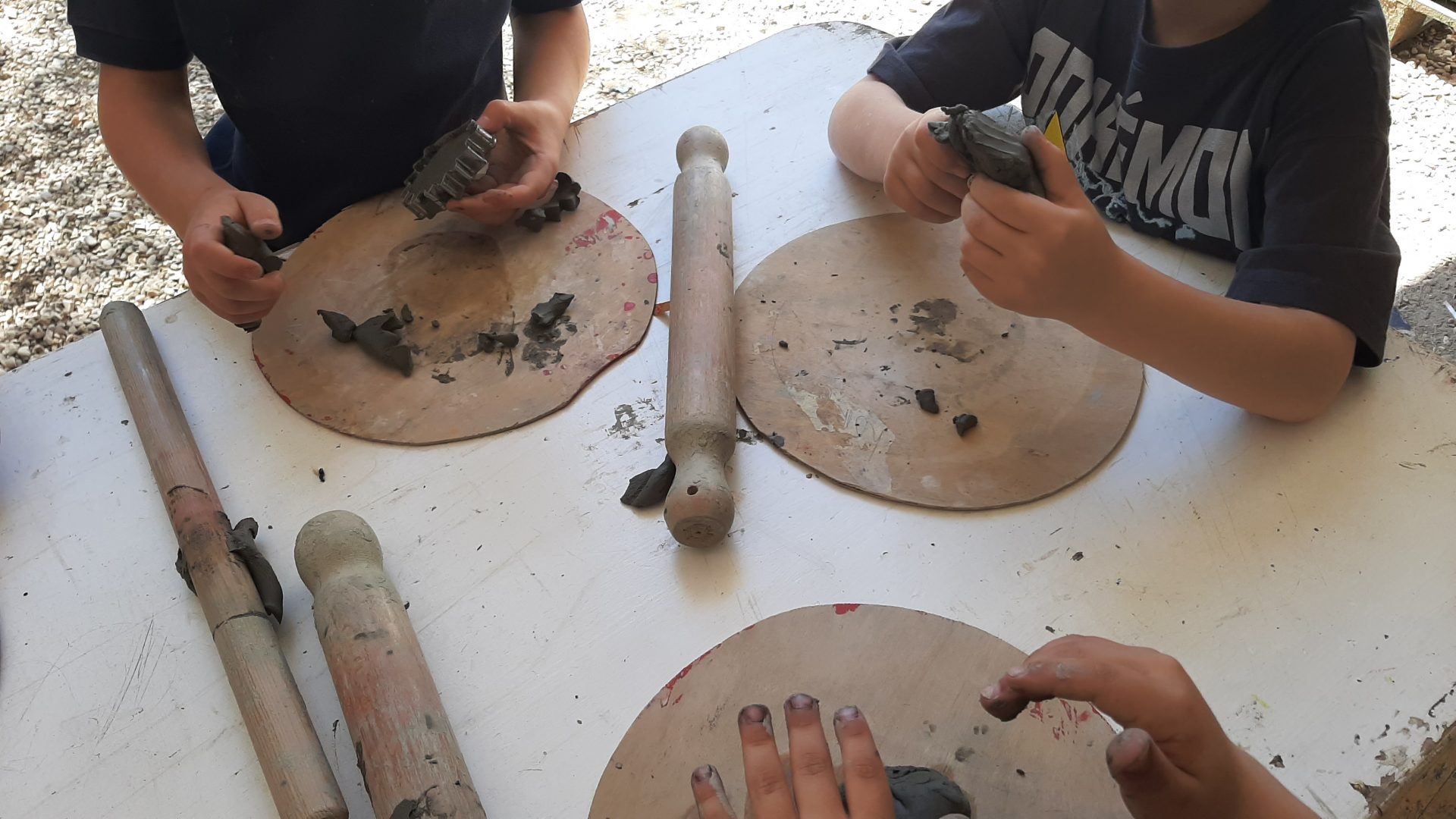
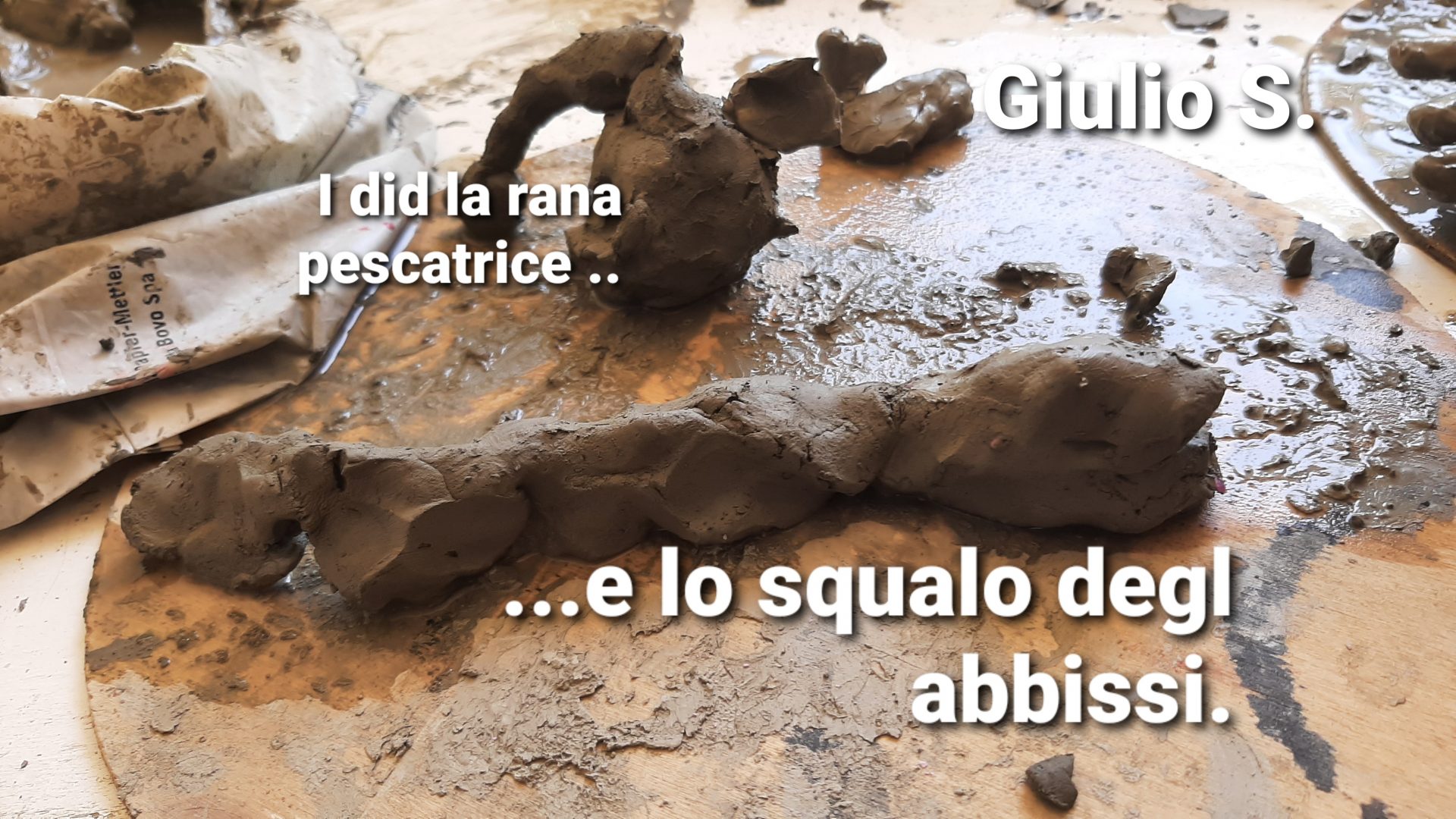
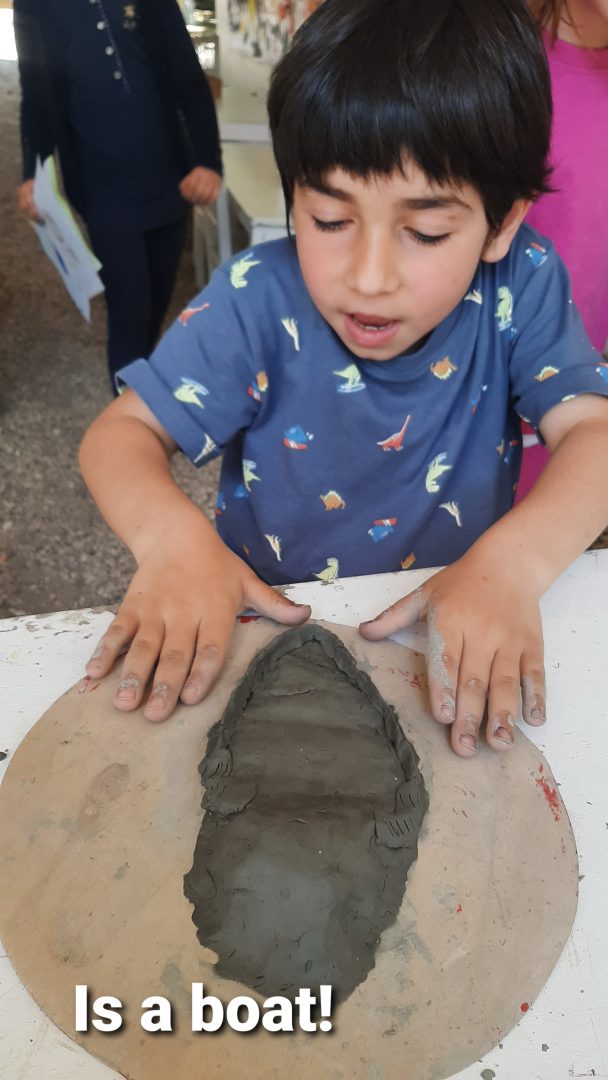
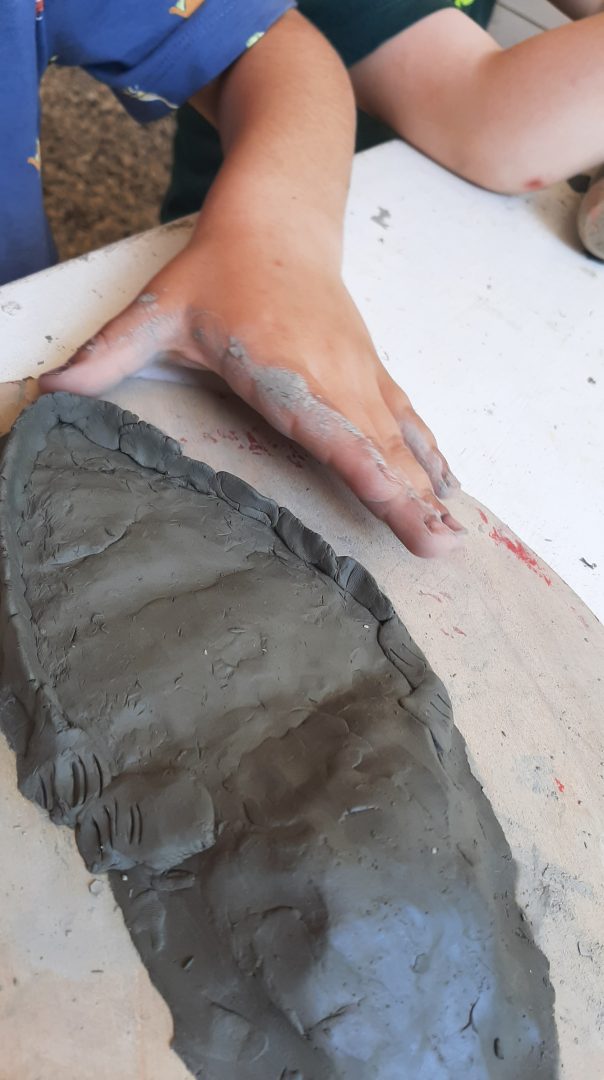
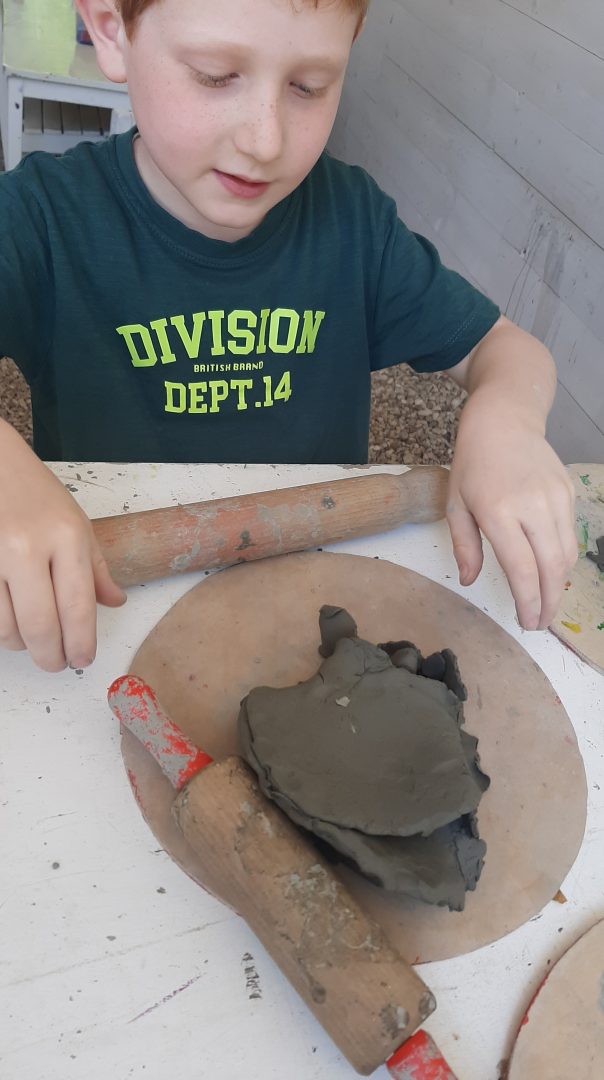
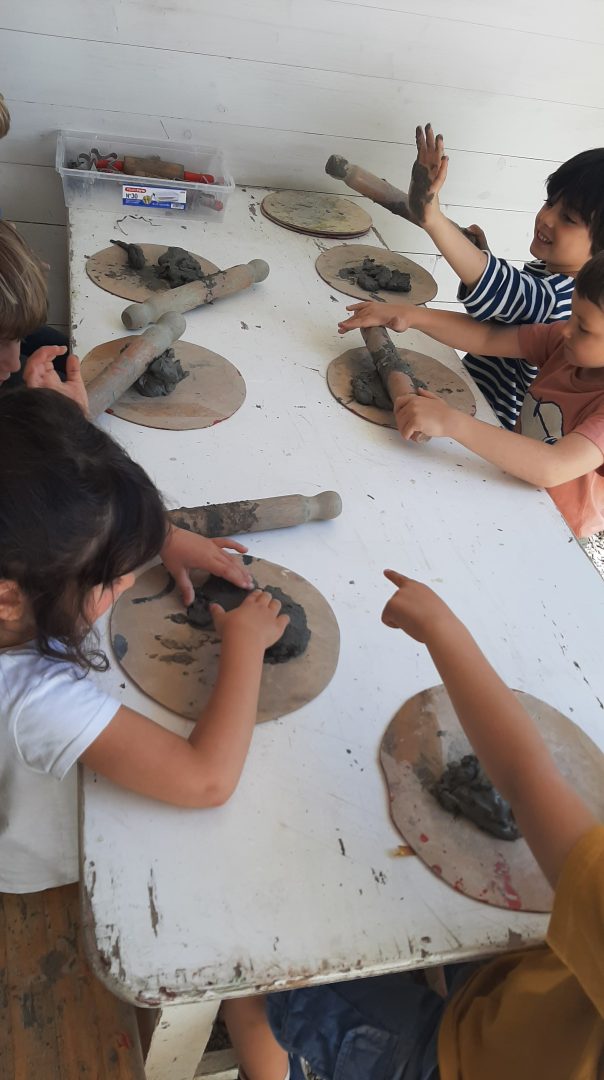
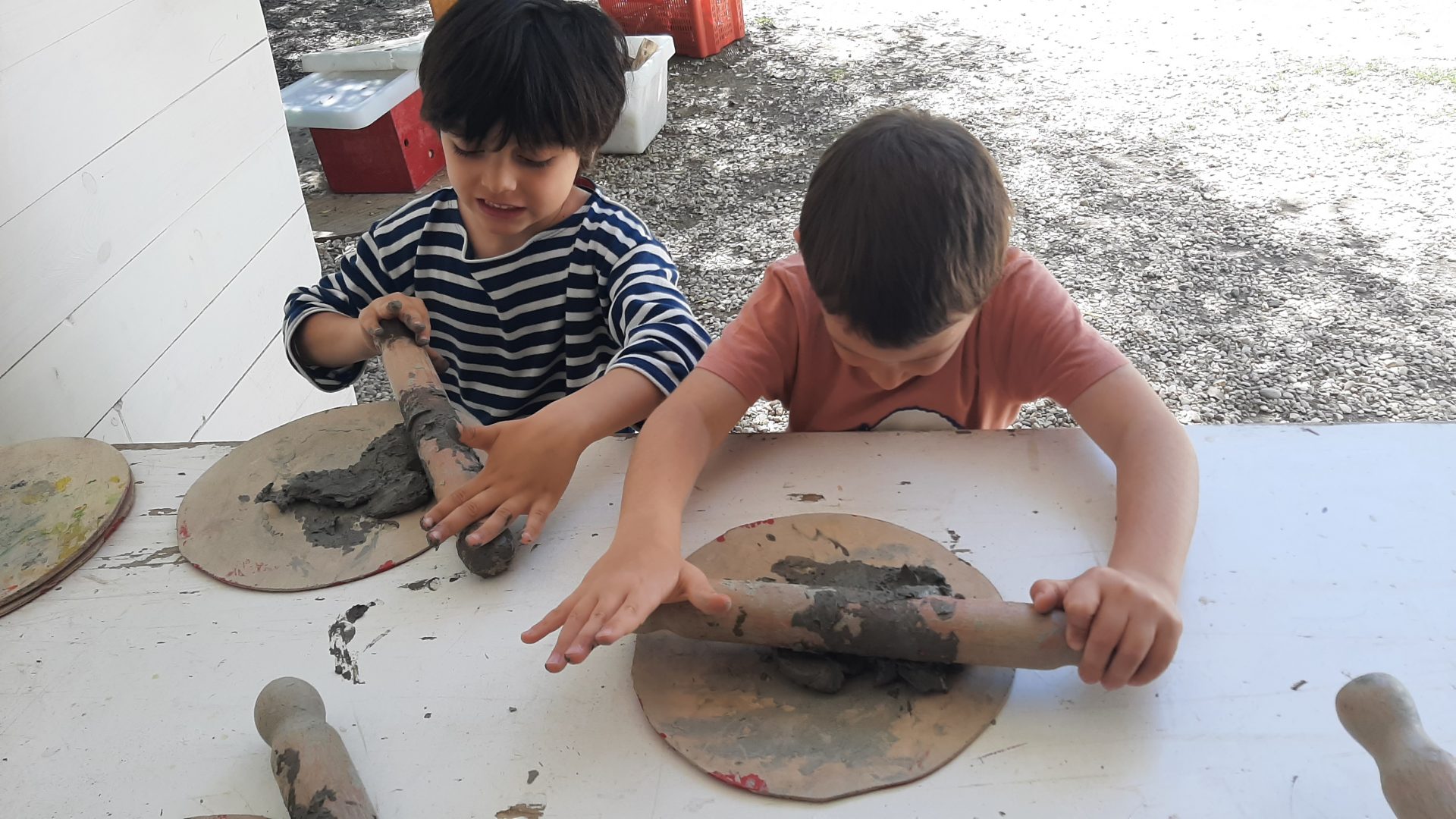
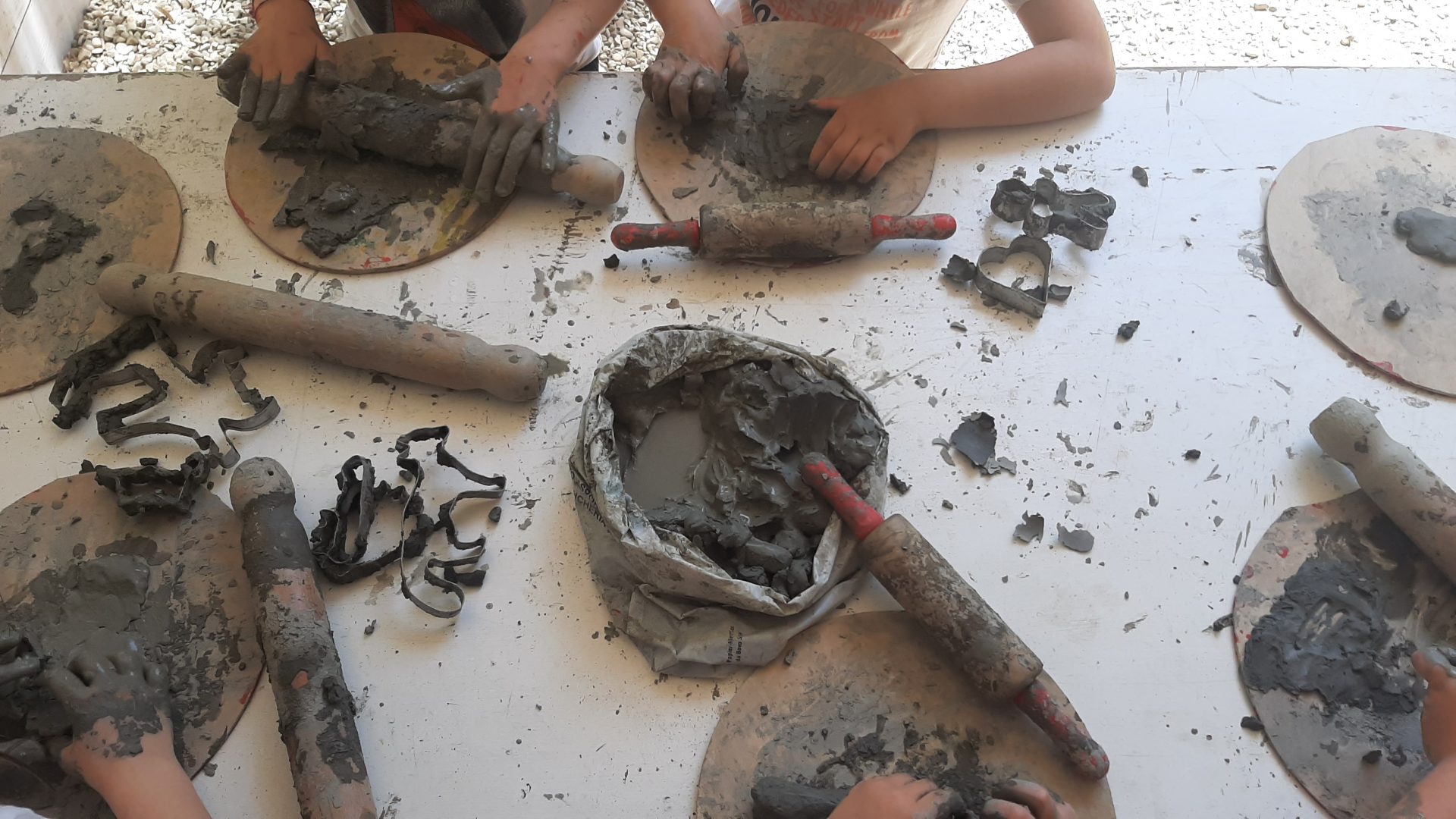
CLAY MAY
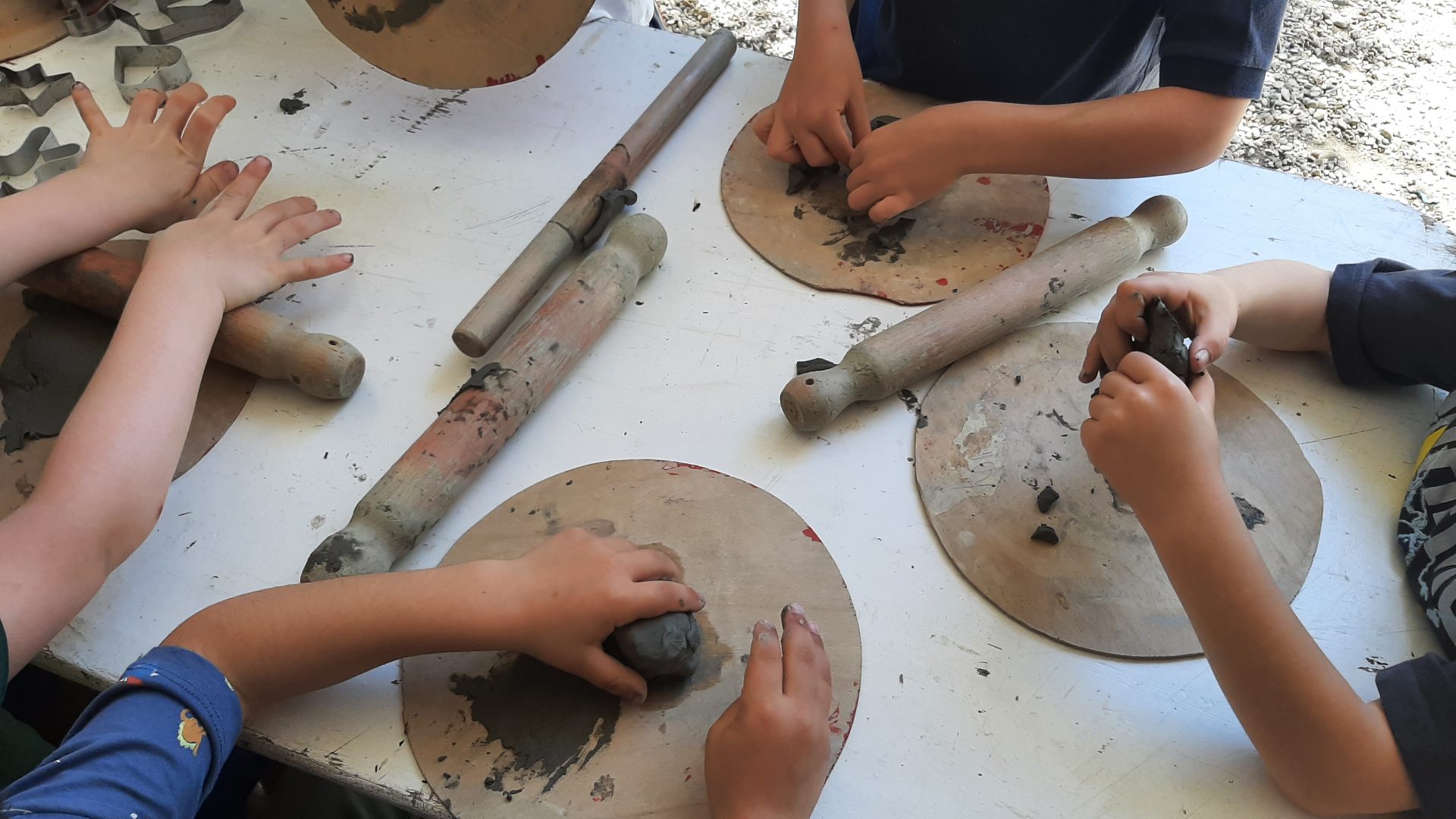
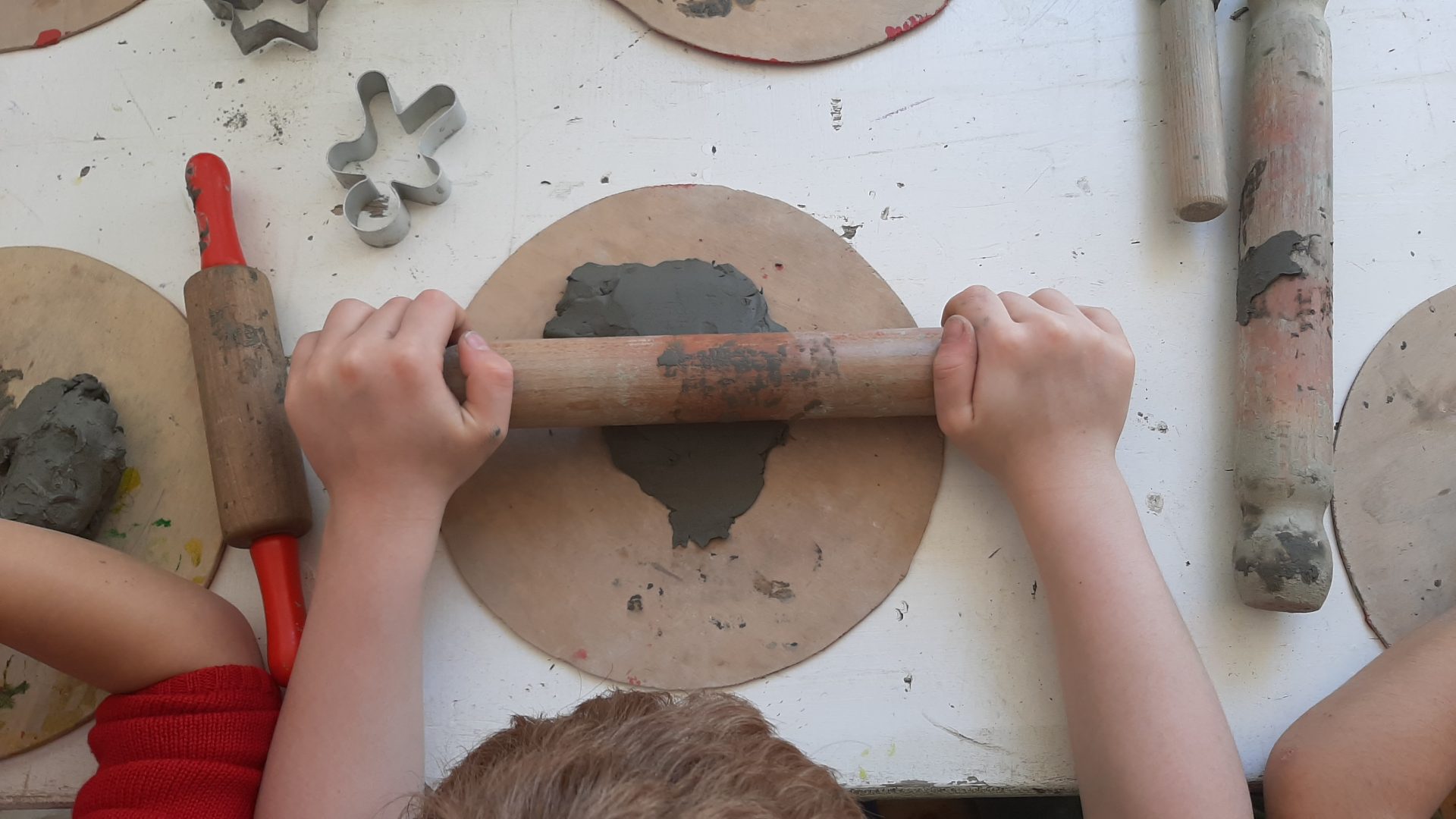
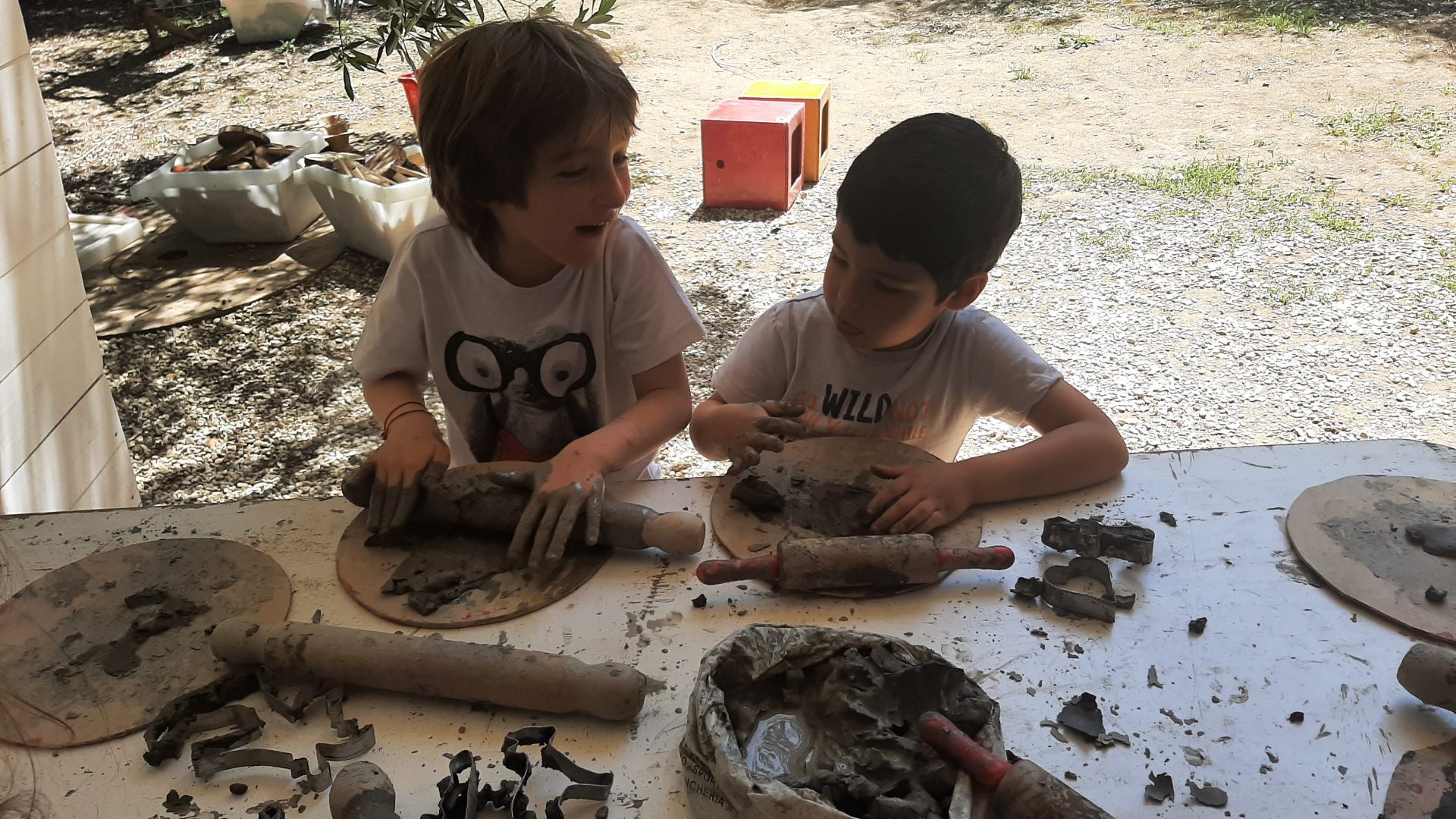
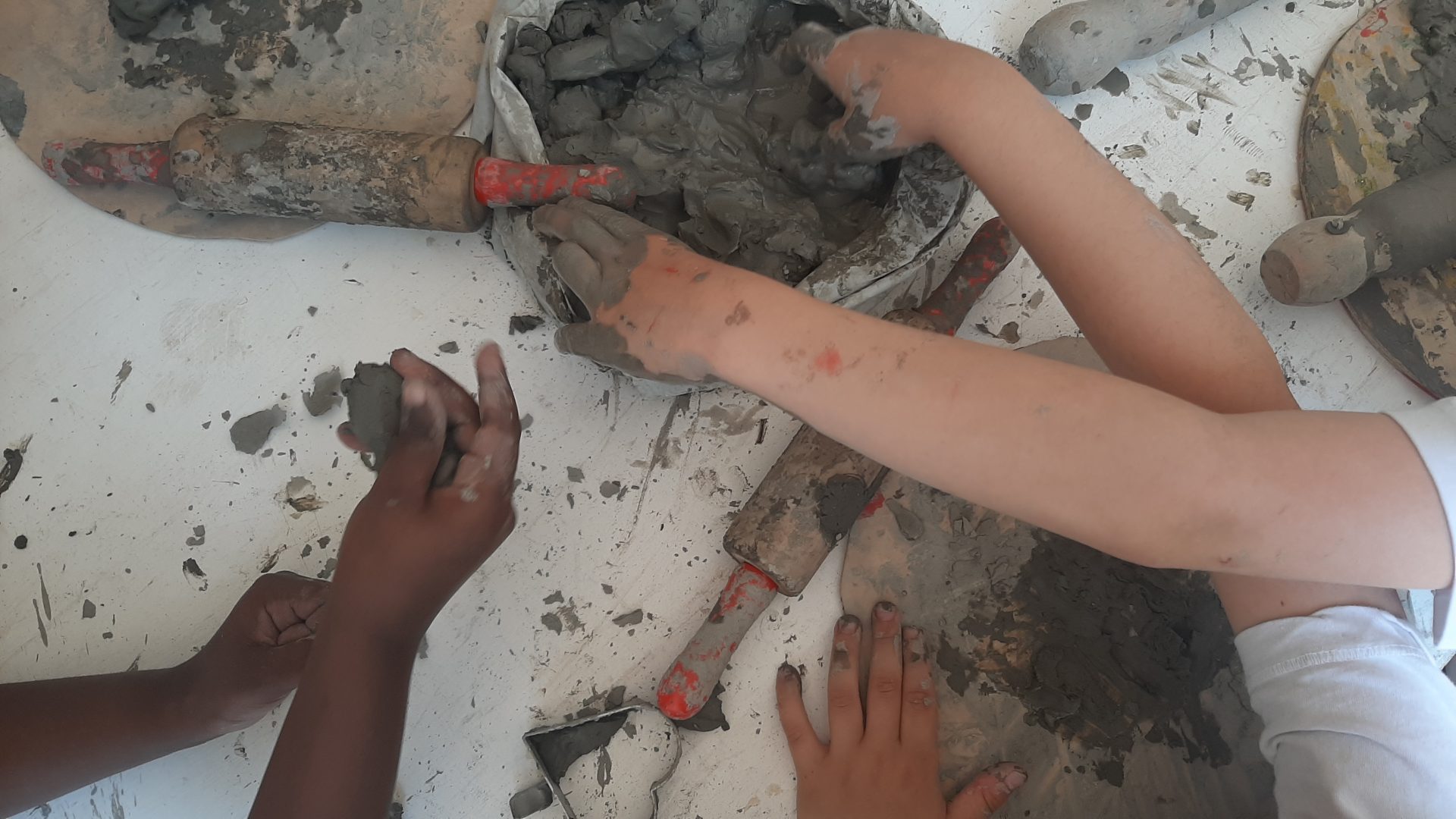
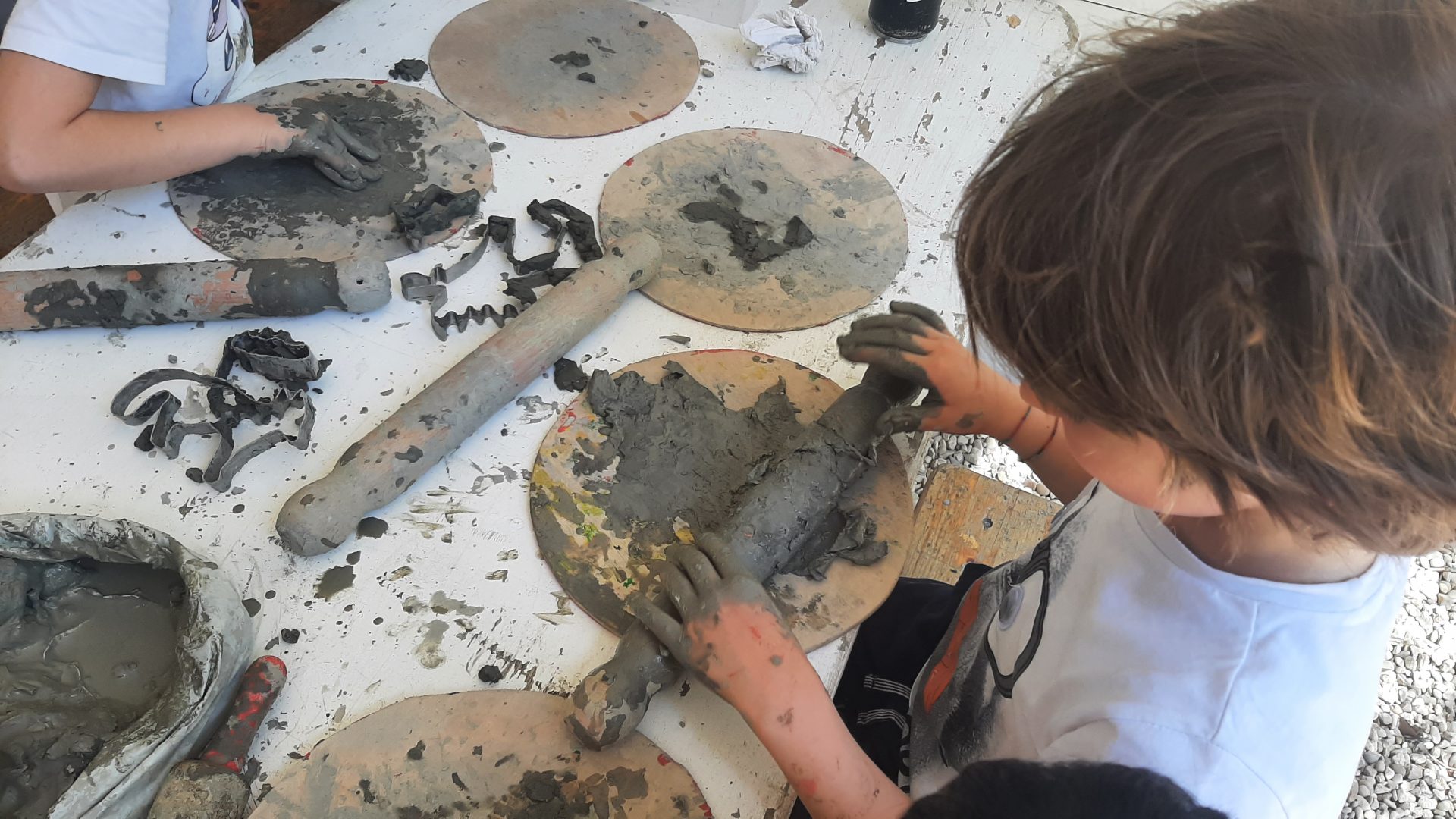
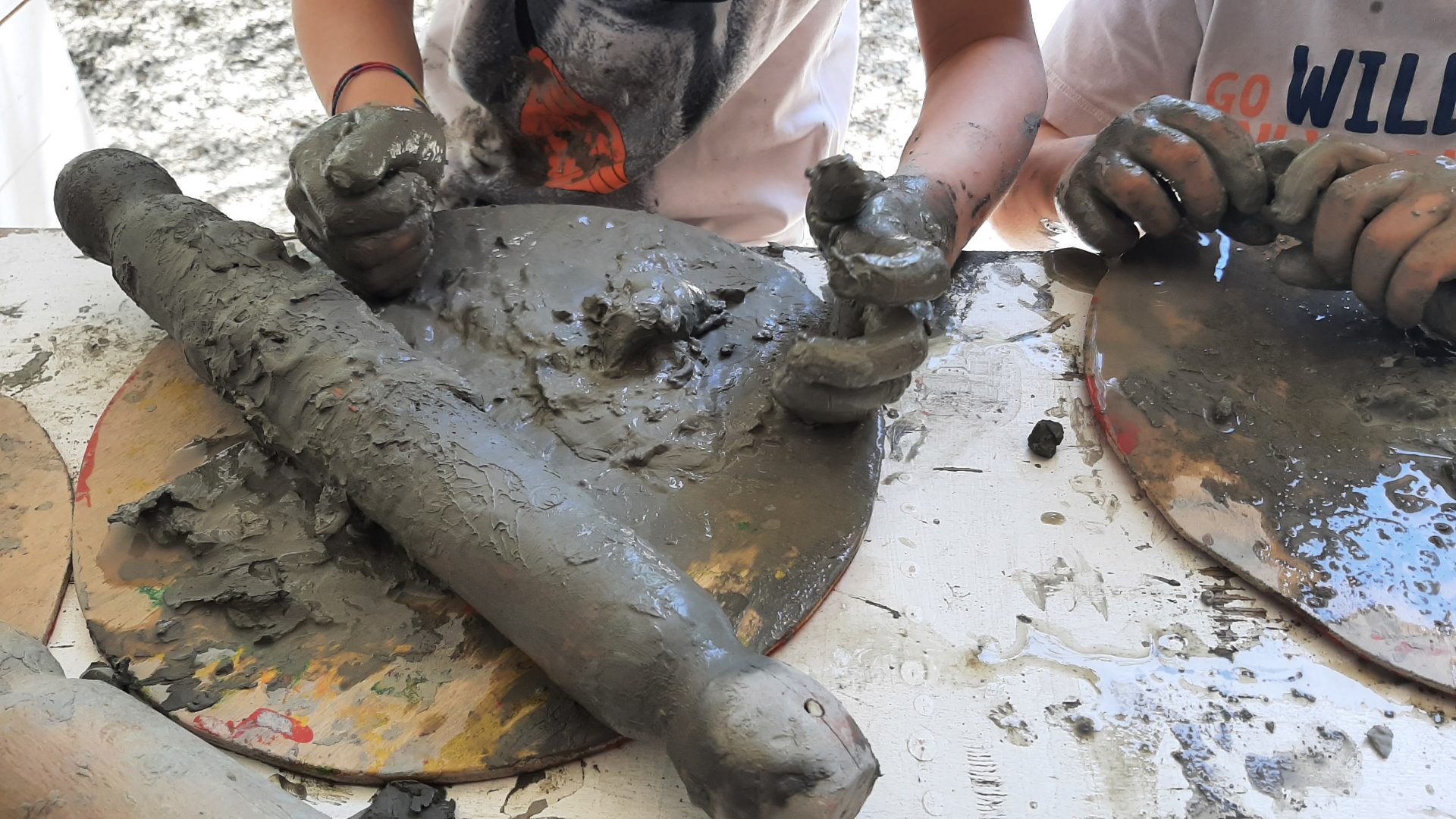
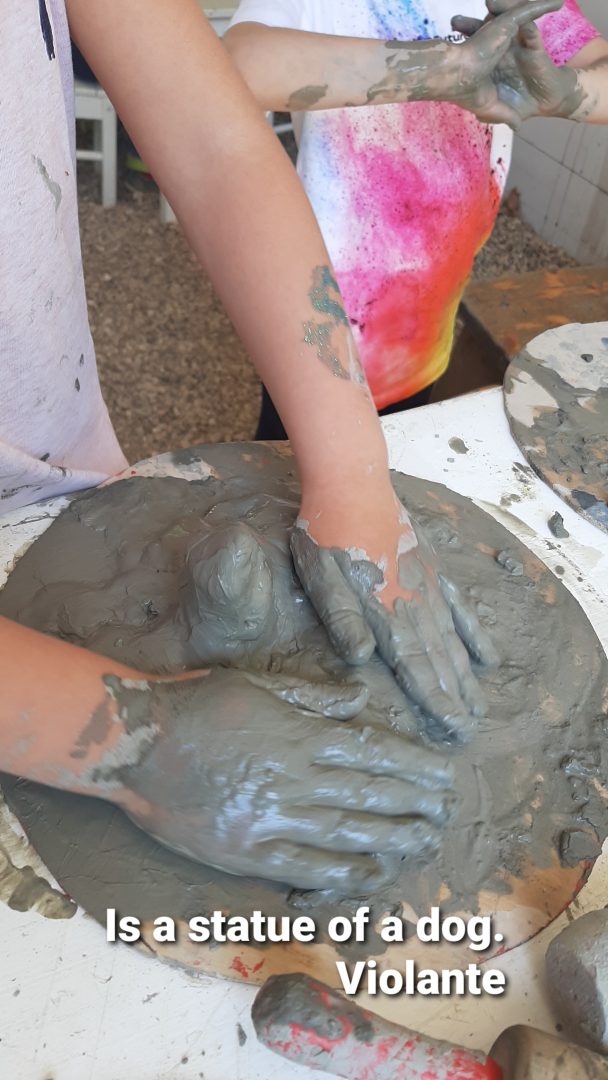
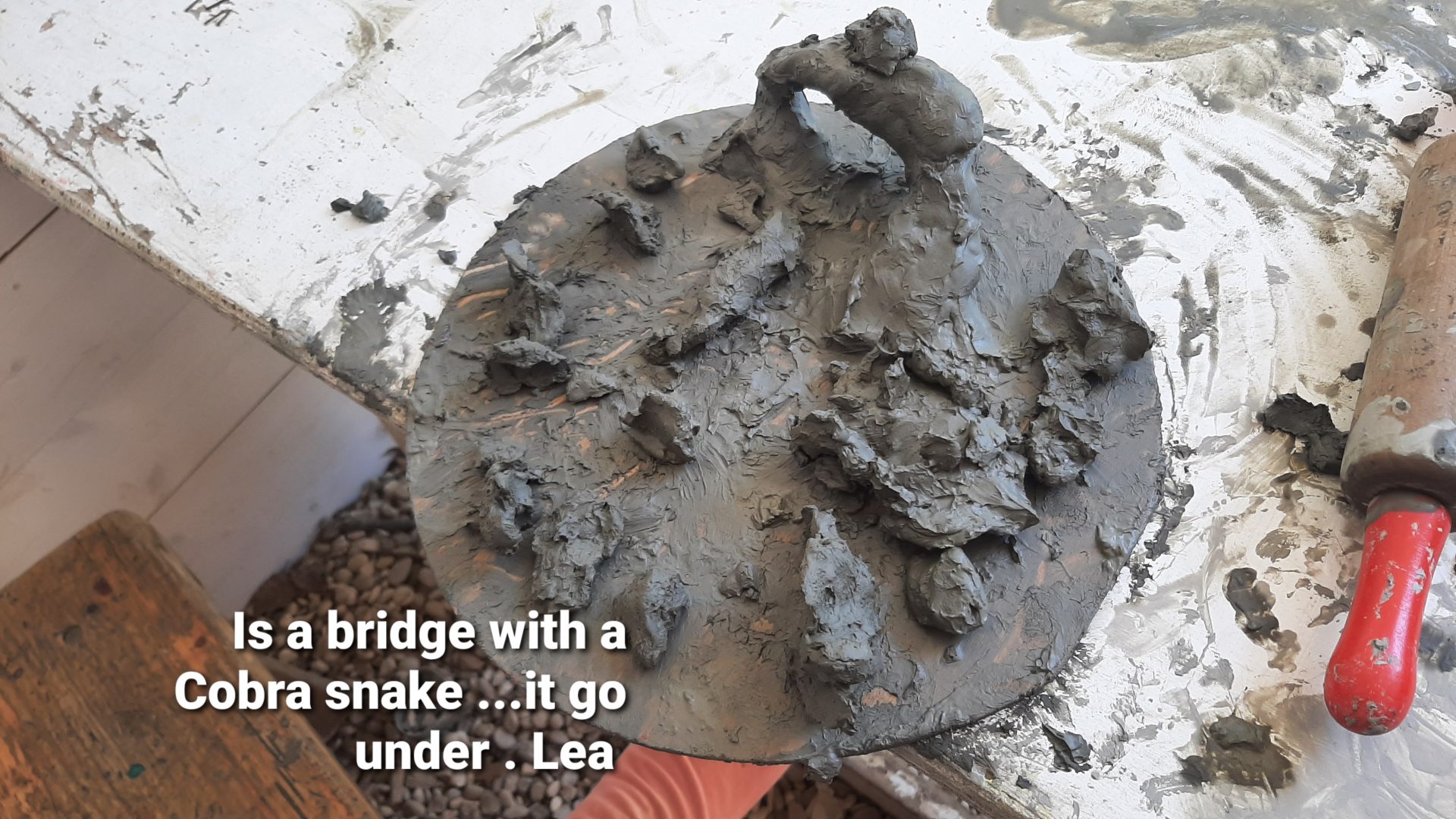
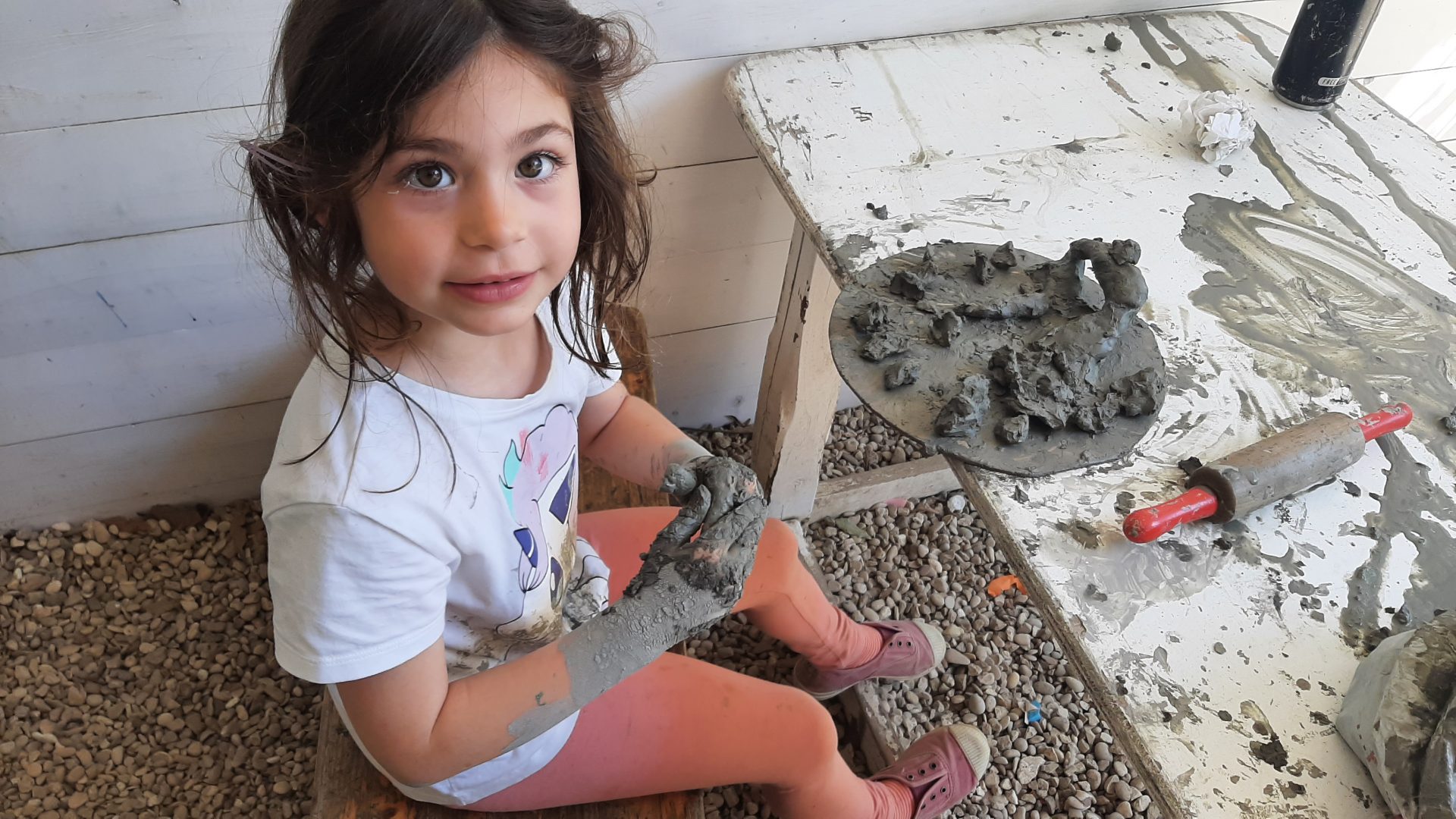
Clay can help children to
- develop hand and eye coordination – squeezing, patting, pounding
- develop finger and hand muscles – poking, pinching be creative and learn about texture, shapes and forms
- manipulate through rolling, cutting, making shapes
- experience making 3-dimensional objects
- socialise with others
- express feelings and ideas.














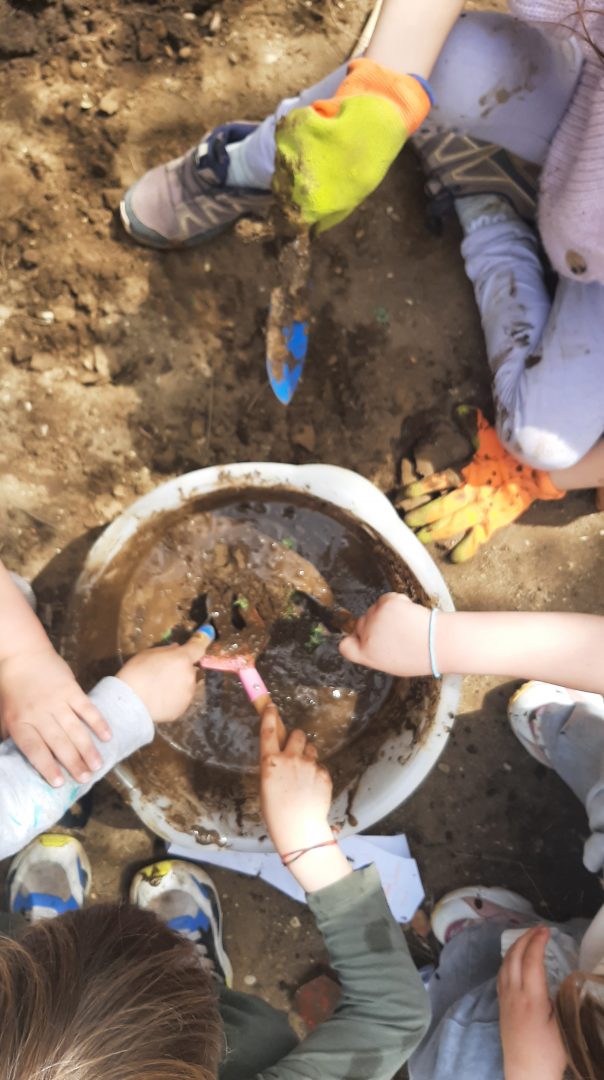
WHY MUD KITCHENS BENEFIT SCHOOLS..
Personal, Social and Emotional Development (PSED)
Mud kitchens work incredibly well as part of PSED for learners because they encourage role play, sharing and turn taking. The kitchen style environment promotes role play amongst children and it’s not uncommon to see learners taking on the role of a chef in a restaurant kitchen or mum or dad cooking at home. By taking on these roles, children are developing their social skills and heightening emotional understanding.
Communication and Language Development
Mud kitchens encourage children to talk about what they’re doing, and often the excitement of being outside and involved in messy play gets young learners feeling even more confident about speaking and sharing their thoughts. The kitchen set-up creates a rich language environment that provides opportunities for children to use specific vocabulary related to kitchen utensils and cooking.
Physical Development
Physically, learners need to be able to grip hold of utensils such as spoons and spatulas, as well as lift heavy bowls. This helps to develop the muscles in the hands, which is mainly cartilage at this age, and in turn supports fine motor skill development. Mixing and stirring also boosts hand-eye coordination.
Maths
In terms of the mathematical aspects, teachers can encourage activities which involve measuring water and mixing water in set quantities to see the different outcomes.
Understanding the World
Children are able to explore the outdoor environment as they dig in the mud and encounter plants and maybe even creepy crawlies. Mud kitchens also involve some science based learning as children can get hands dirty and experience the different textures and consistency of mud, seeing how this changes as they add more water. Teachers can prompt learners to explore by asking questions like: ‘How does this feel?’ and ‘What happens when you…?’
Expressive Arts
Mud kitchens are amazing spaces for sparking children’s imagination. It takes a good deal of creative thinking to transform muddy creations into culinary delights. With a bit of creativity, sloppy mud can become a smooth cake batter.
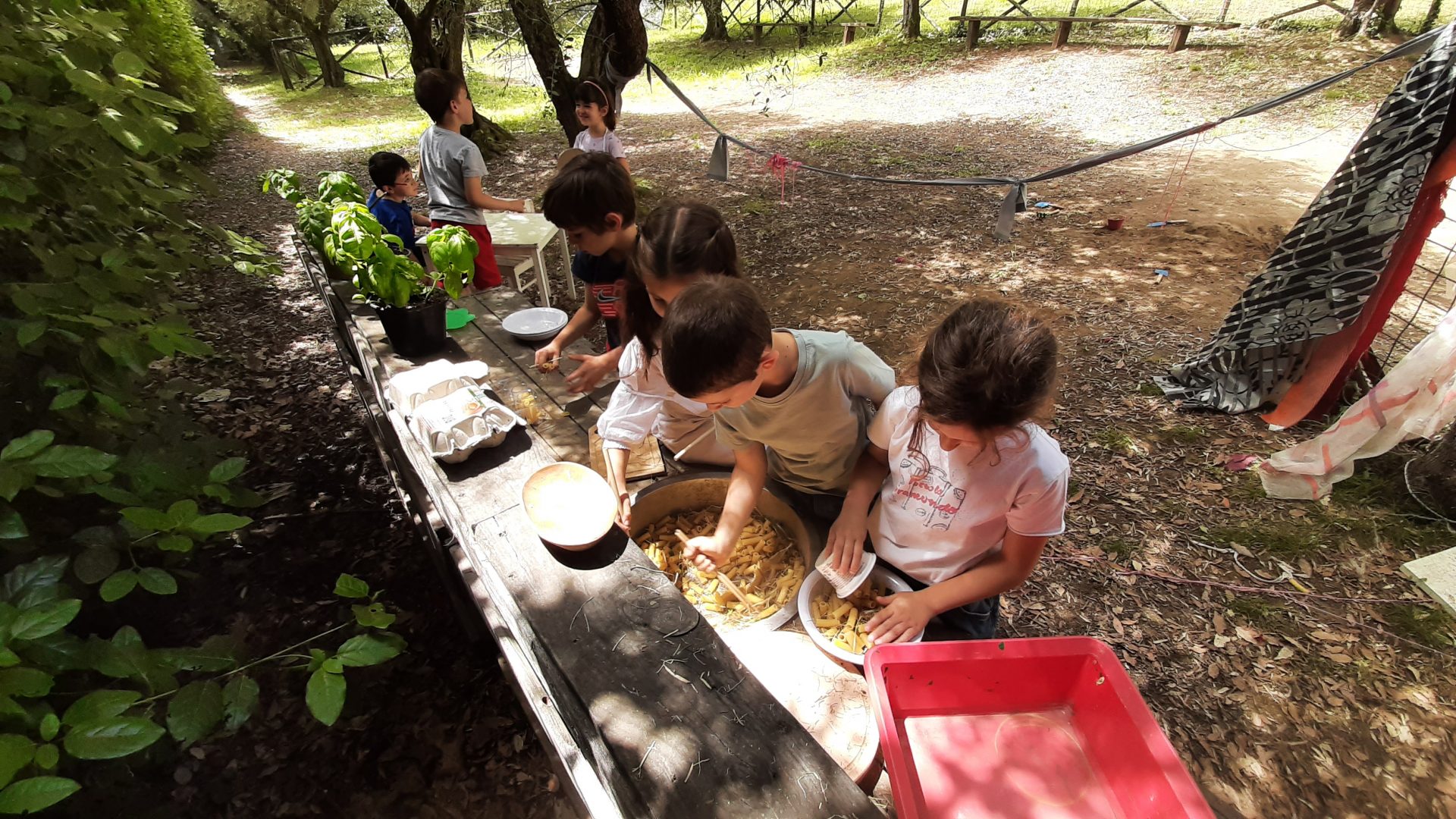
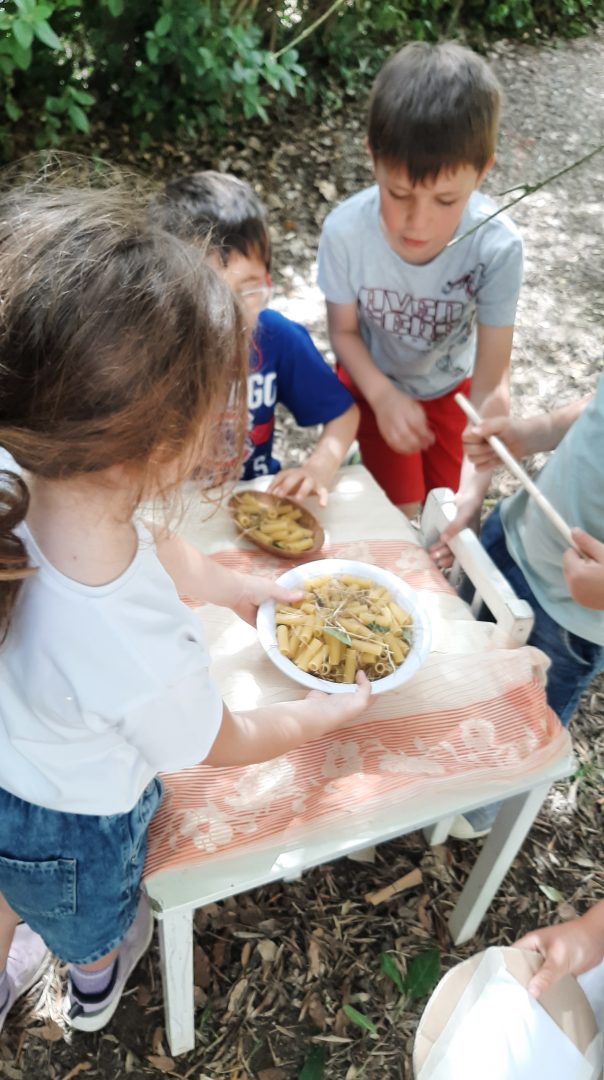
A brand new Restaurant has opened at Acorn House International School..