What is an Invitation to Play?
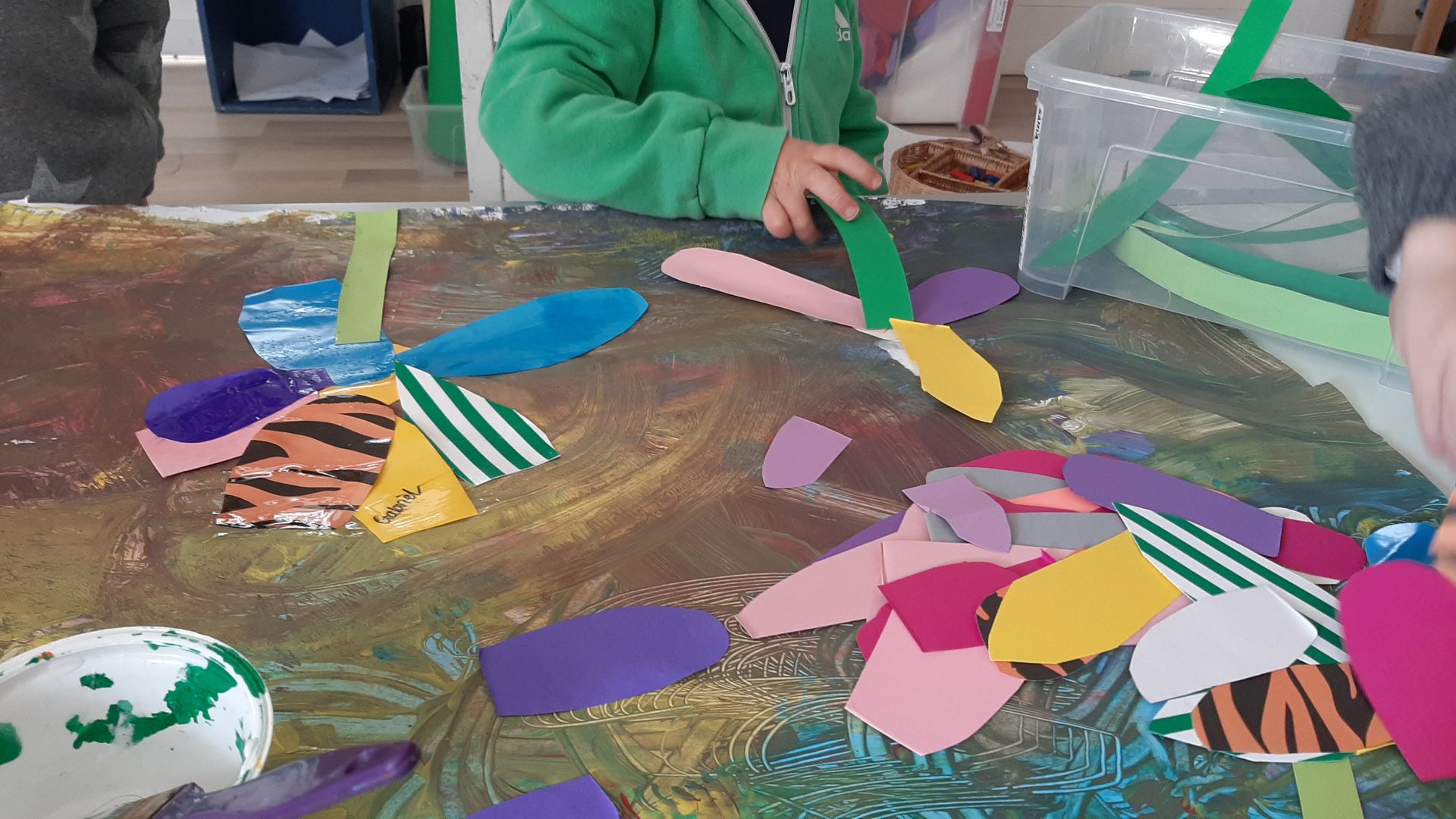
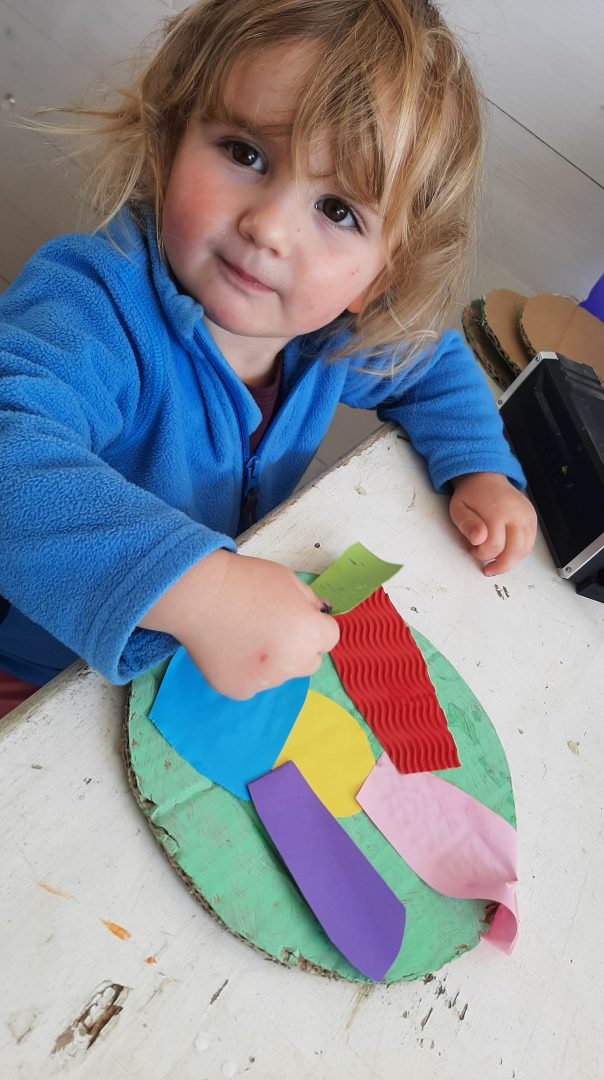
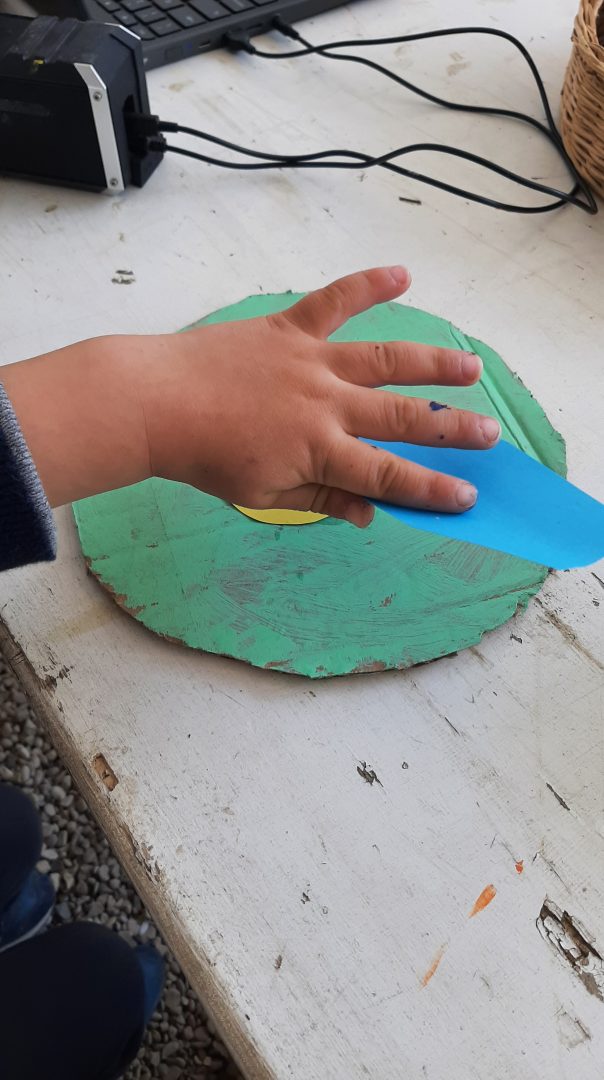
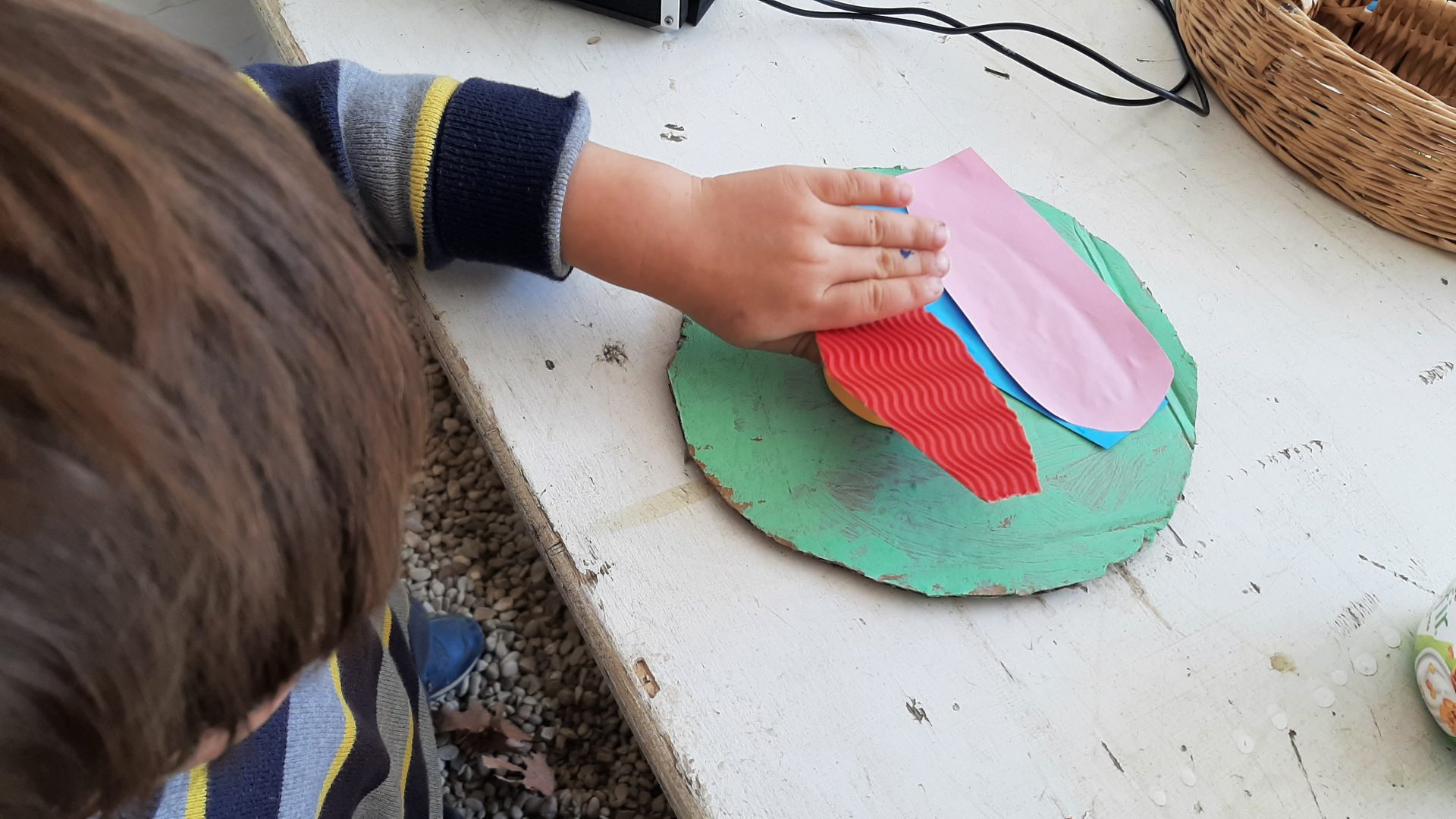
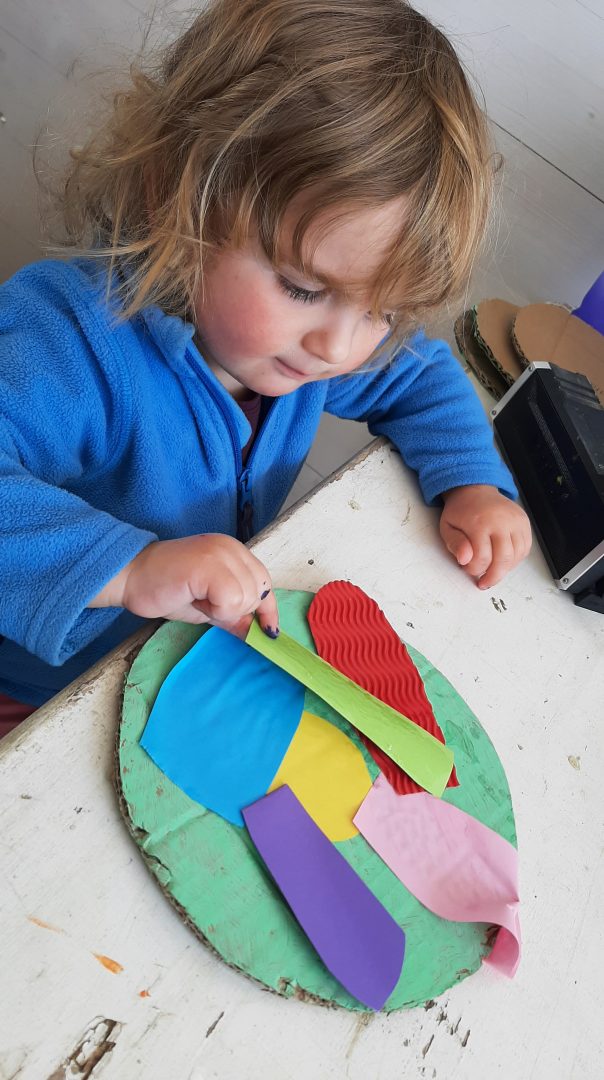
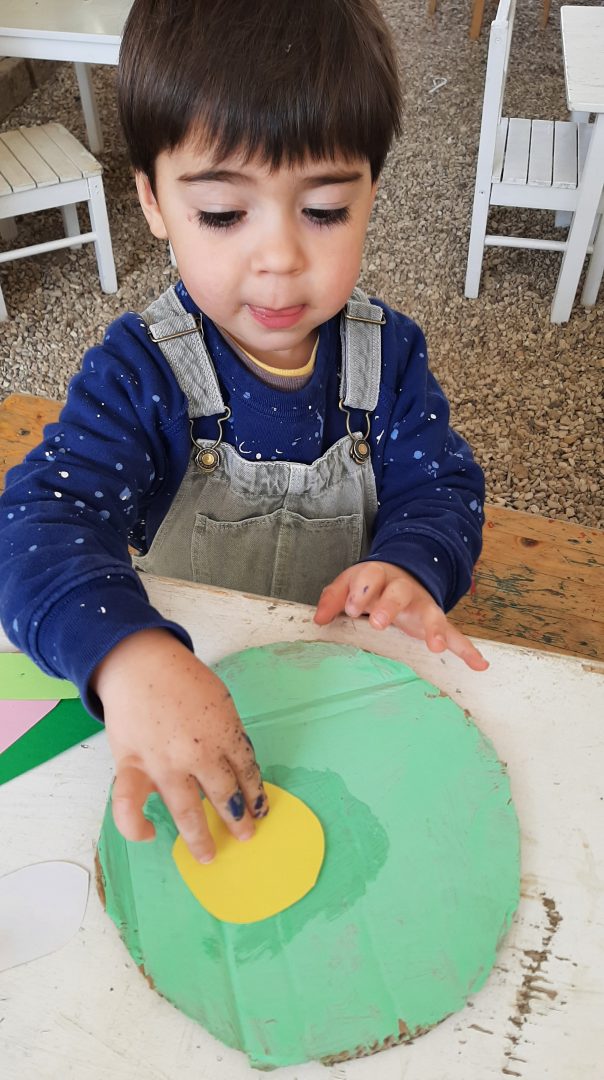
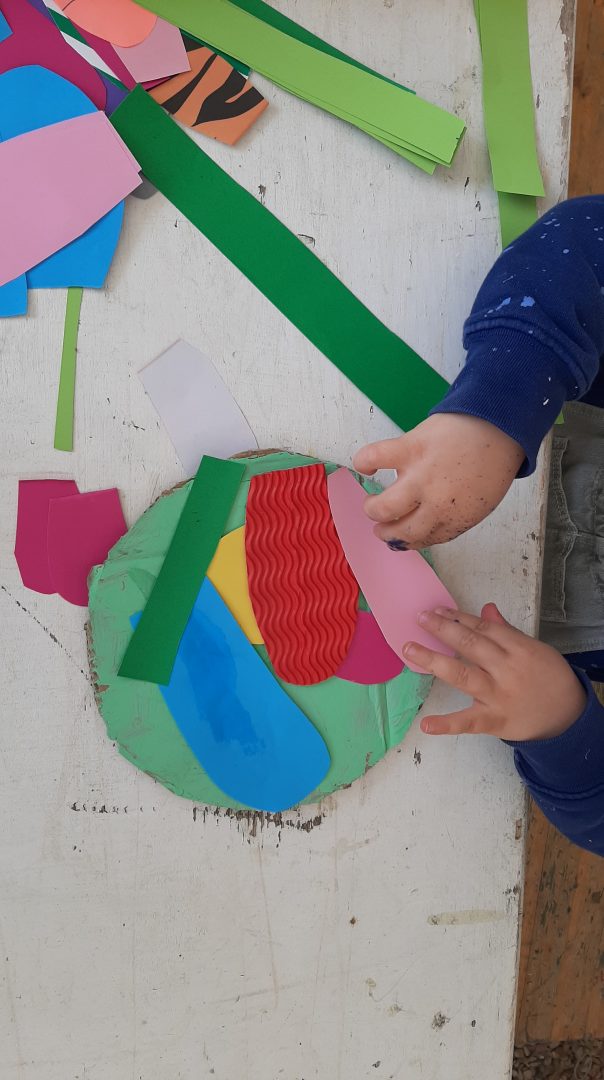
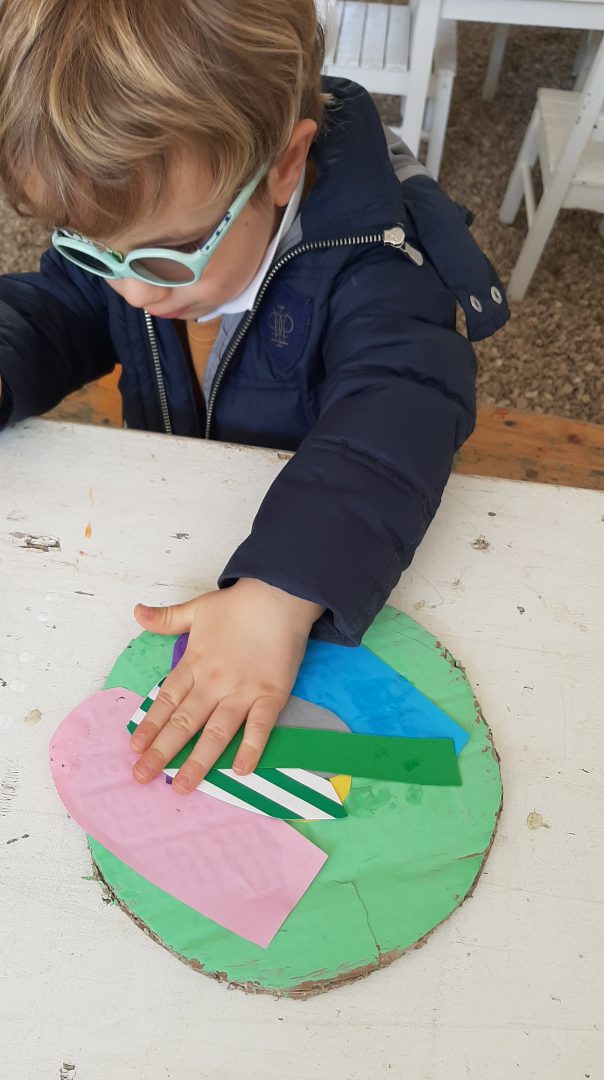
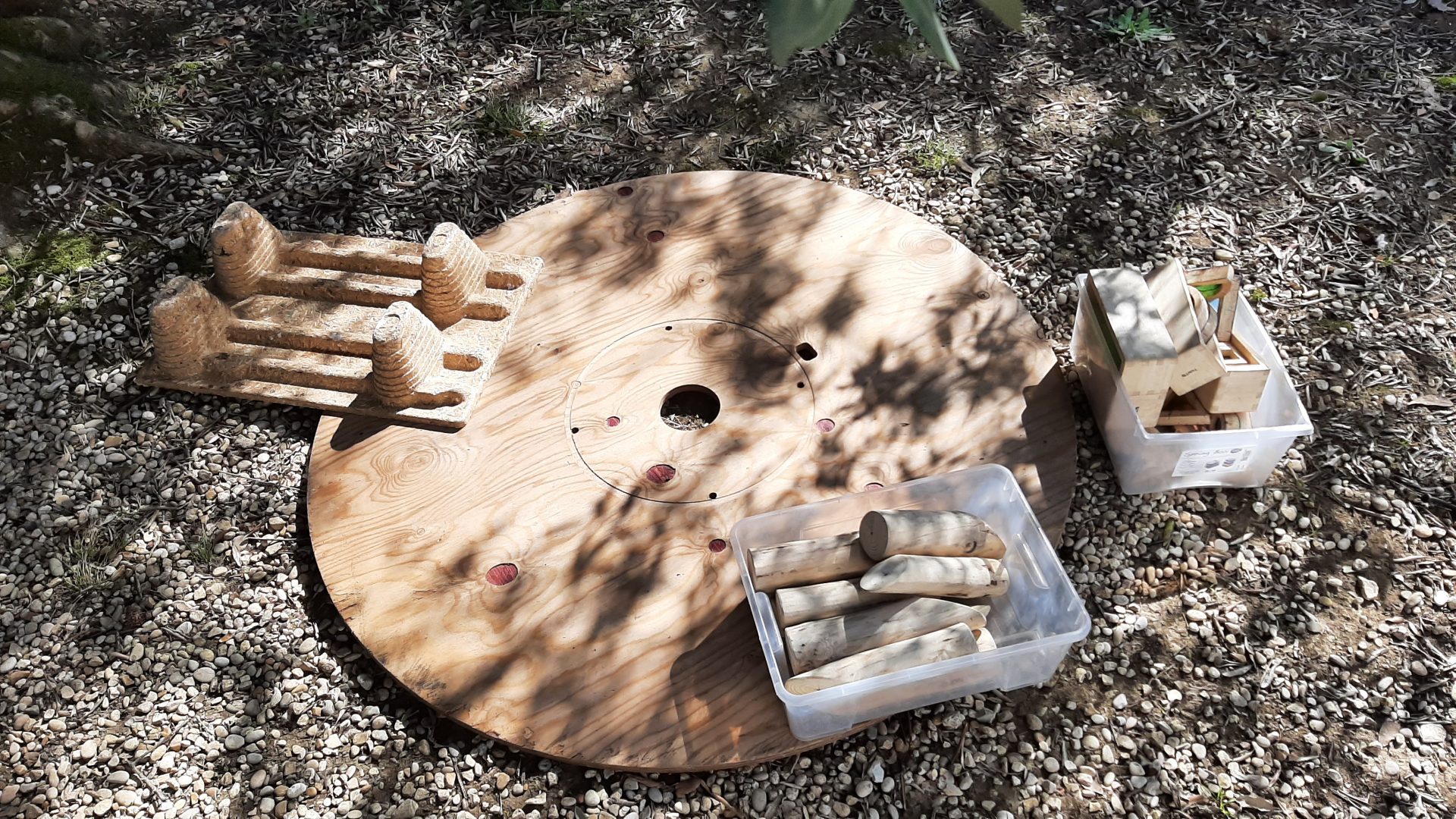
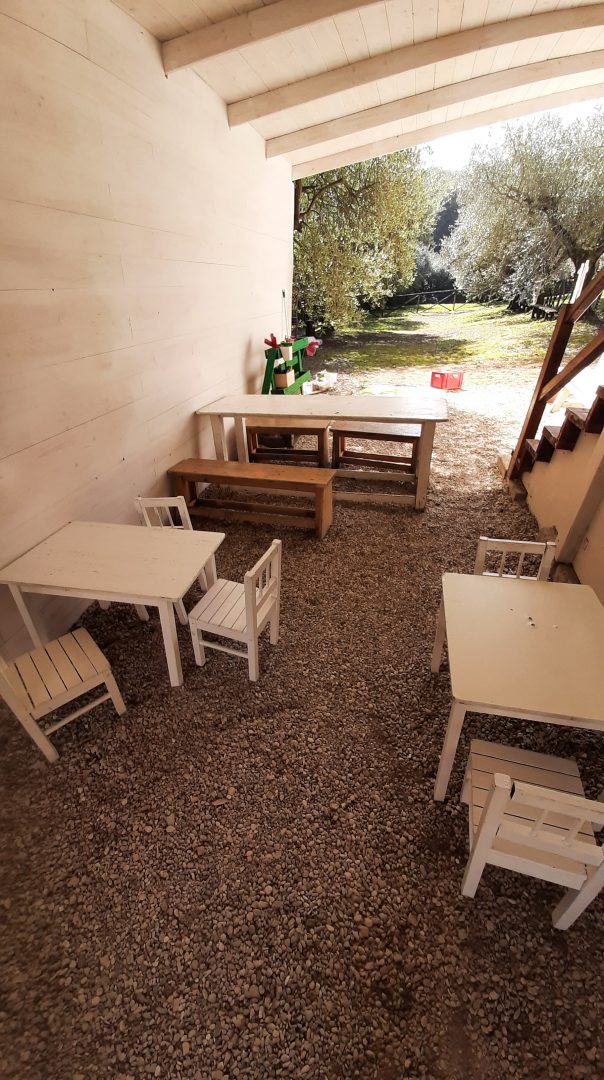
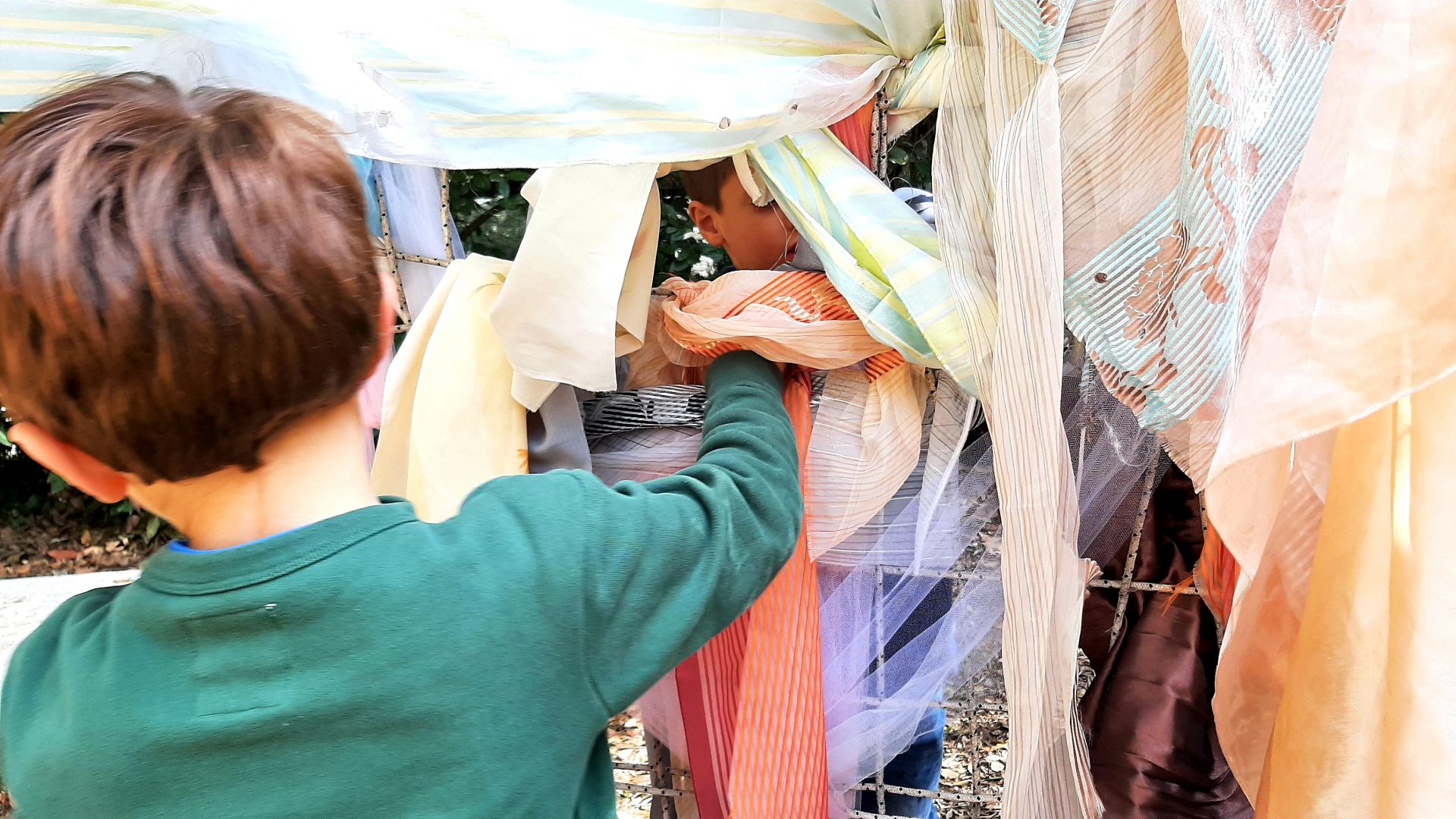
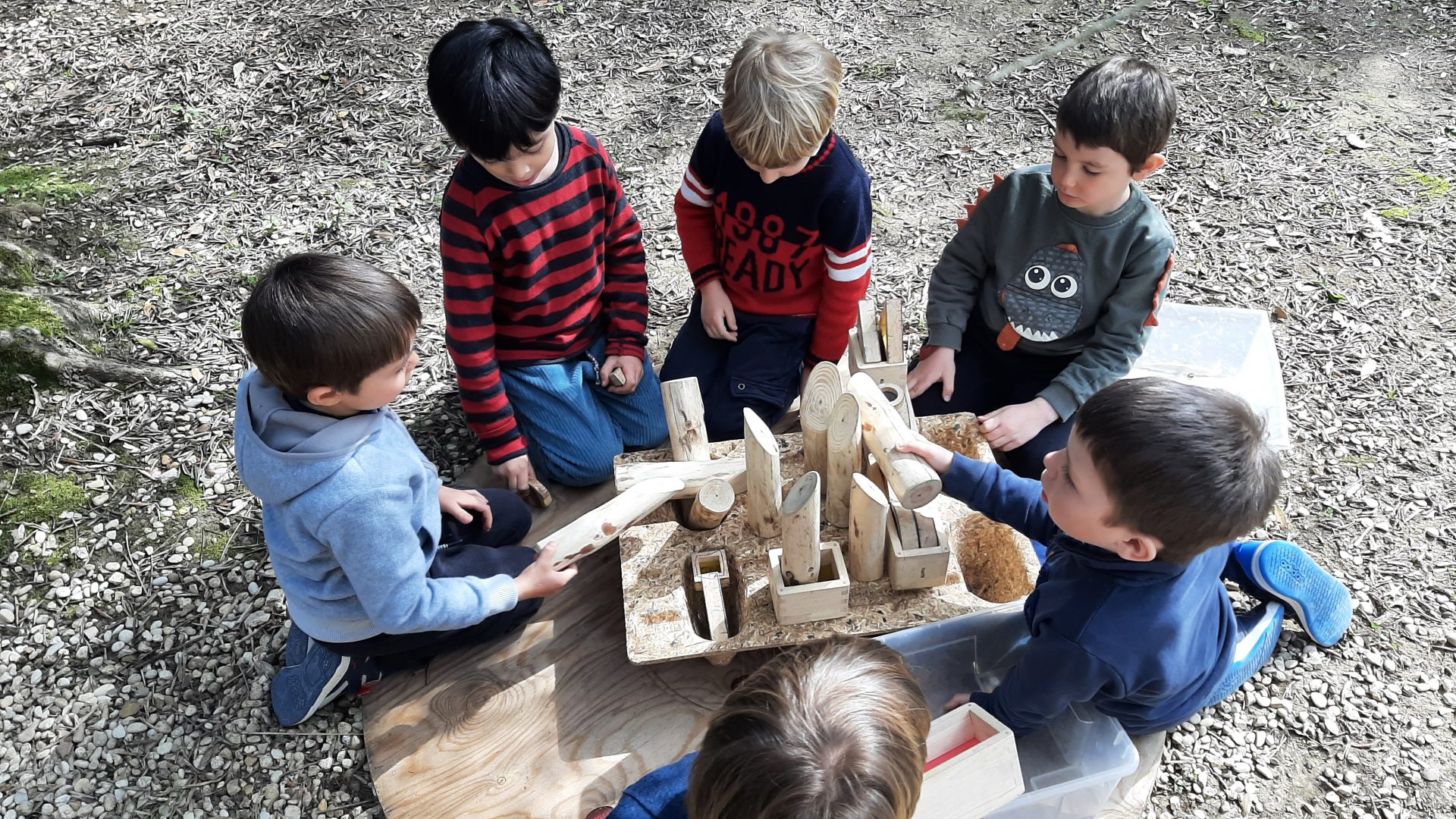
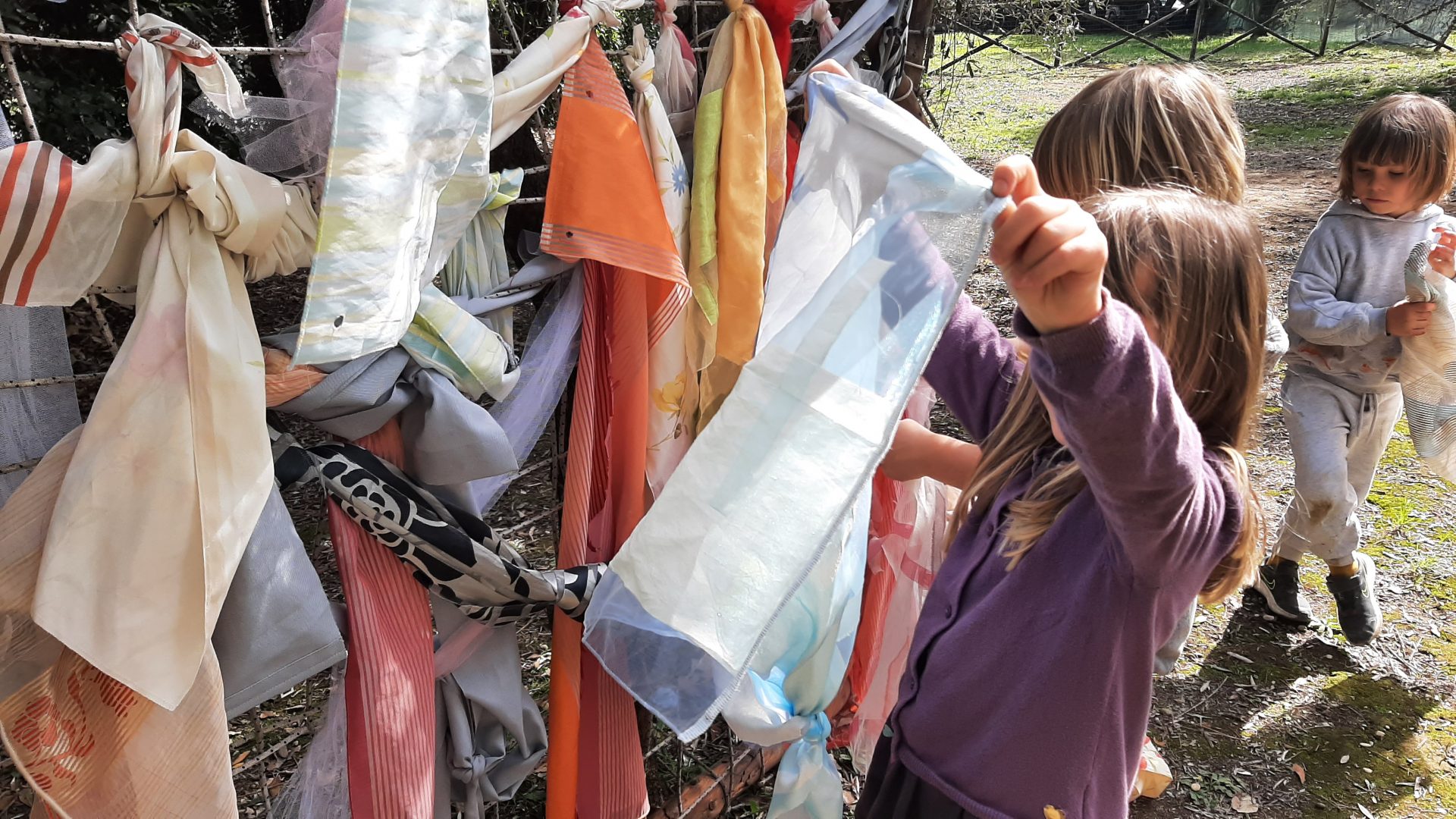
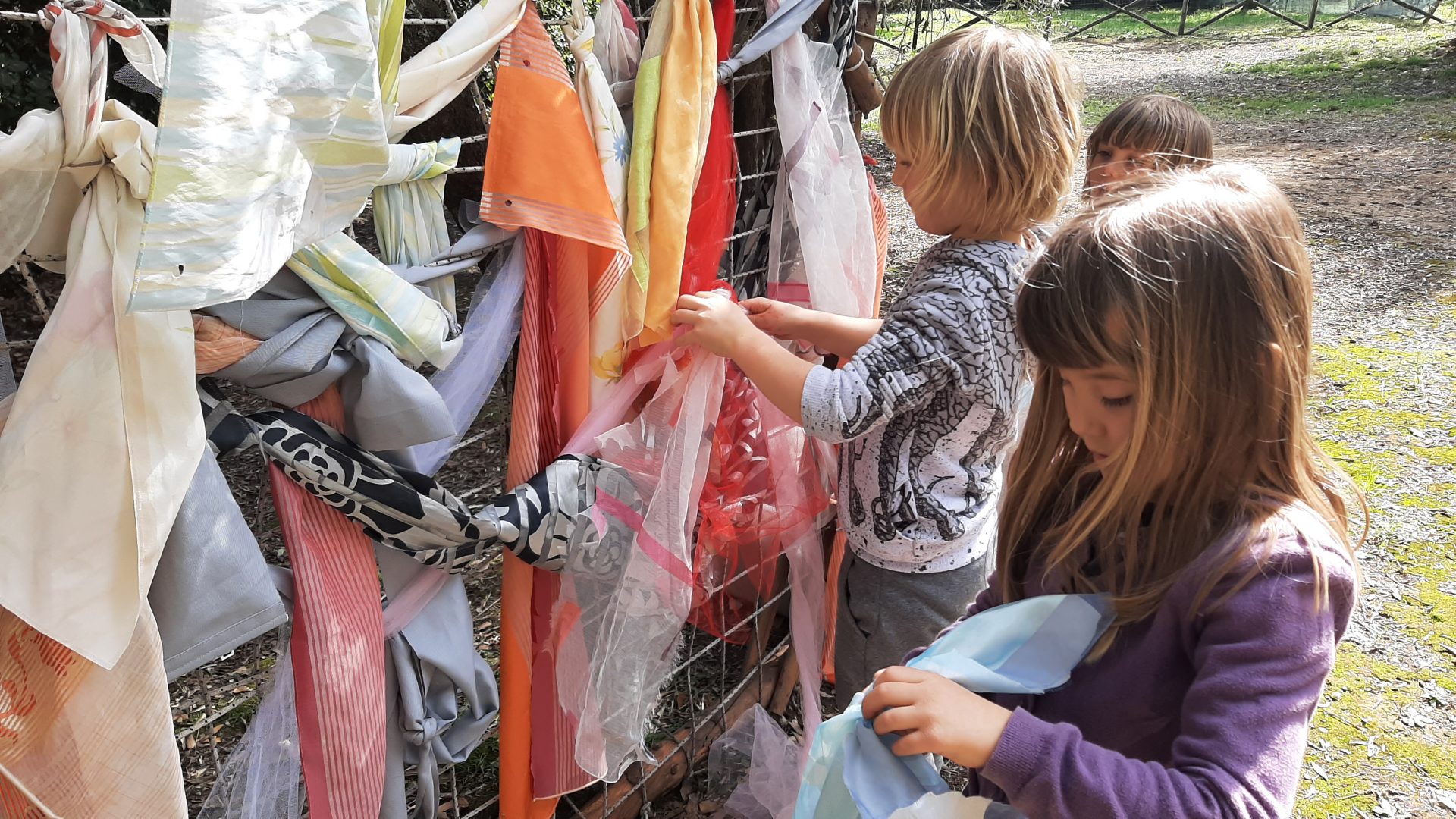
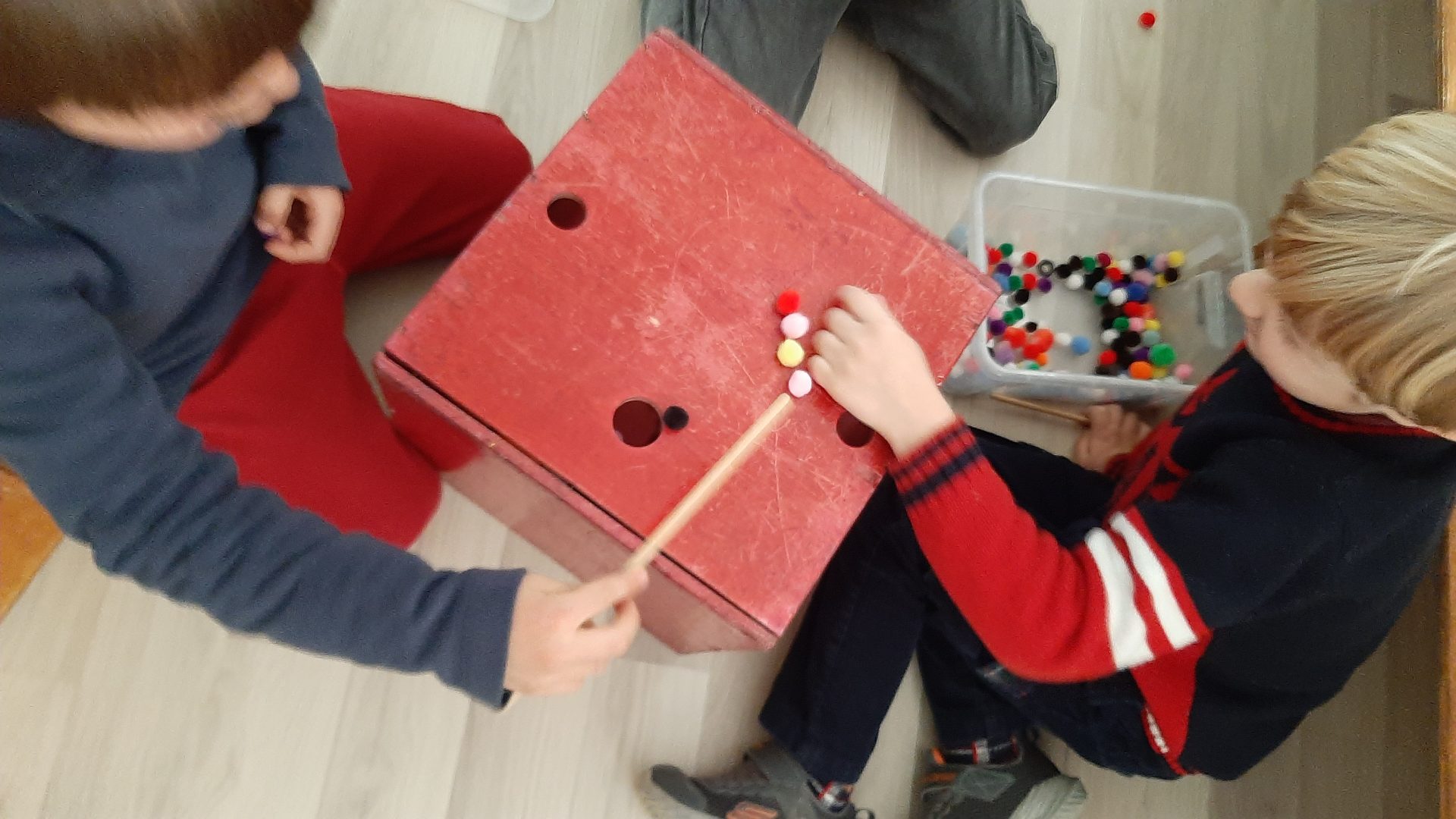
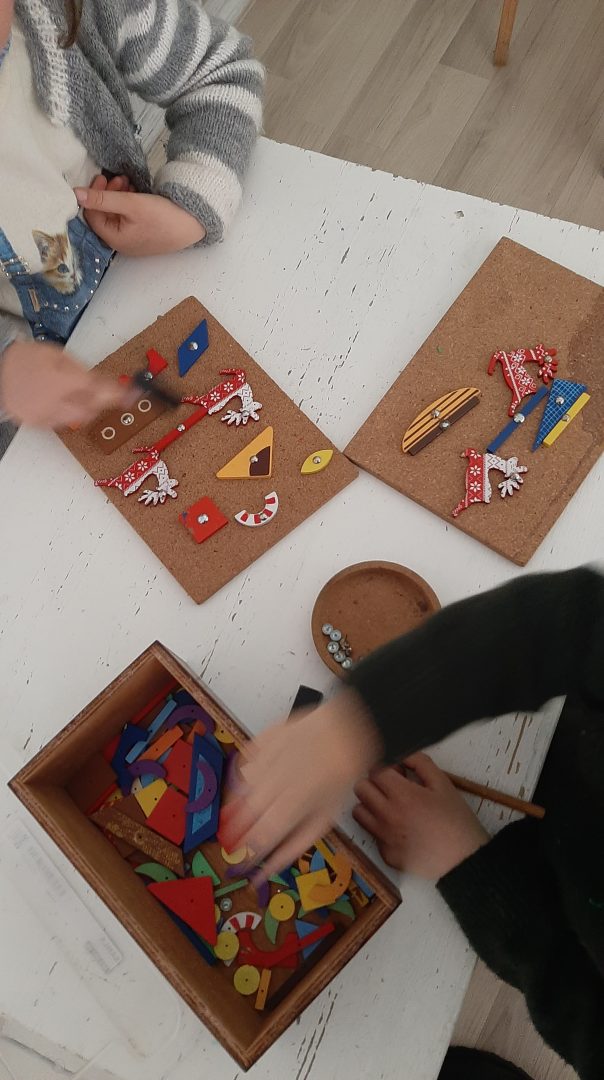
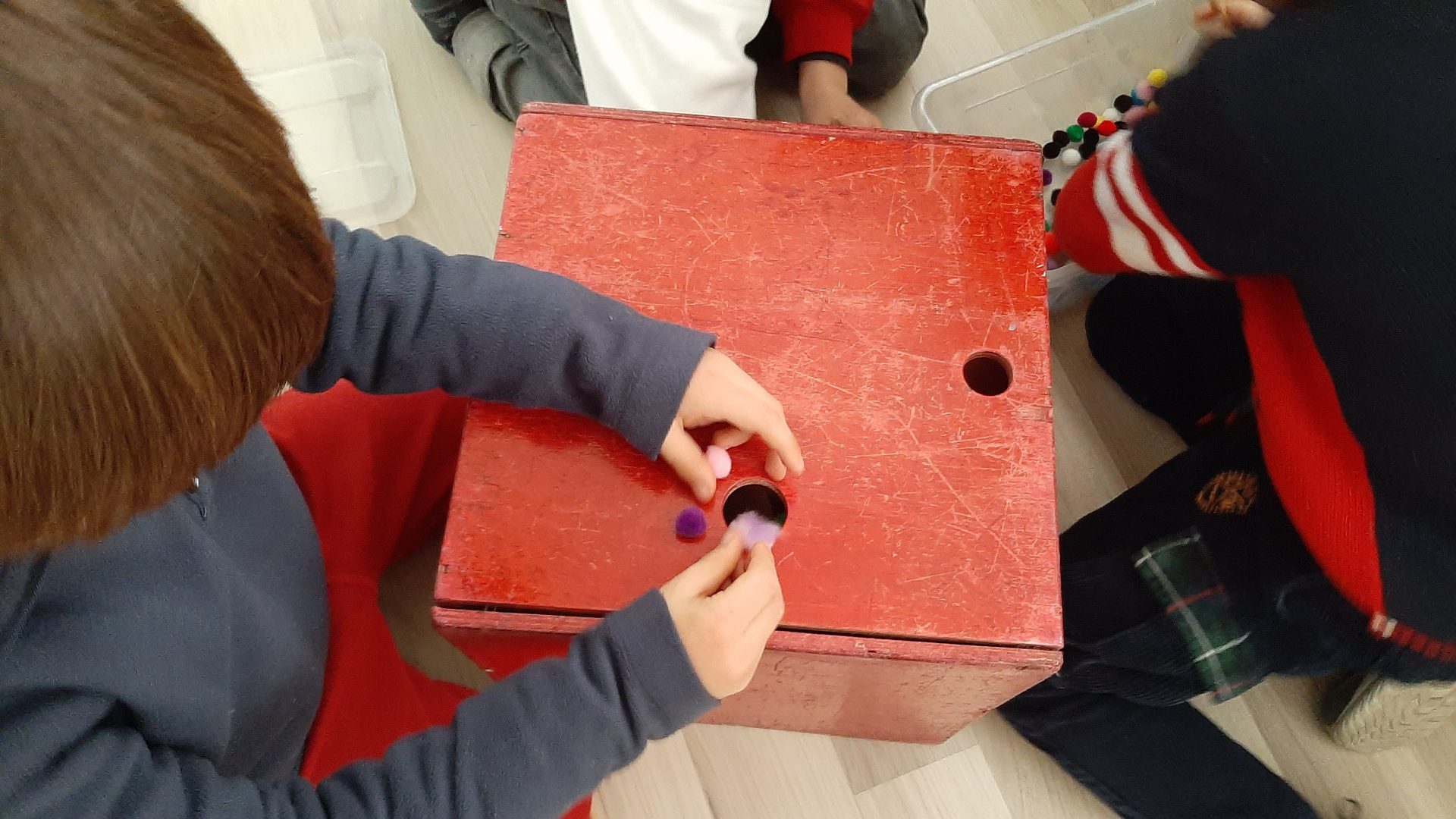
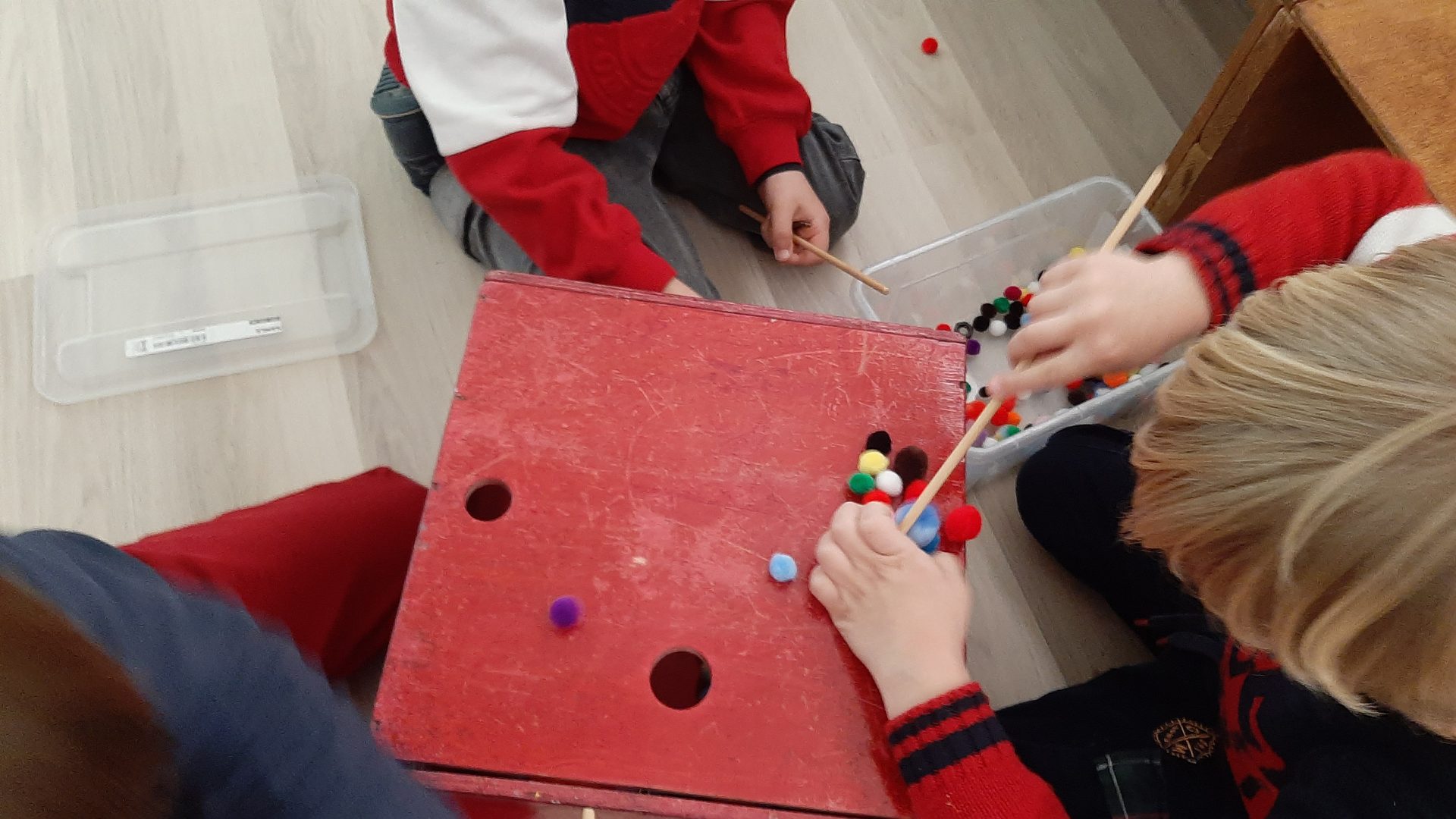
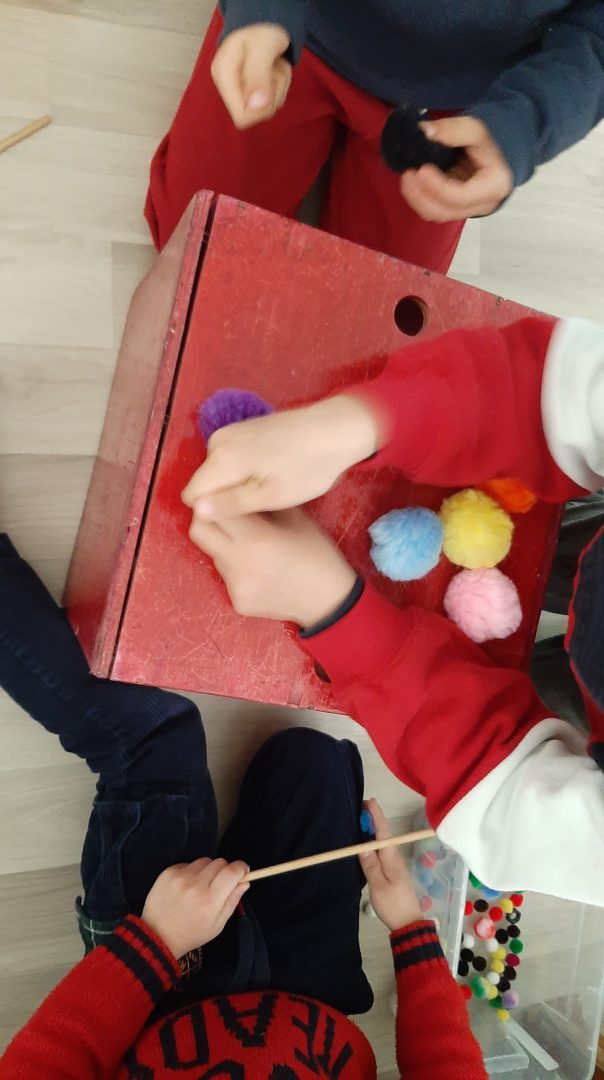
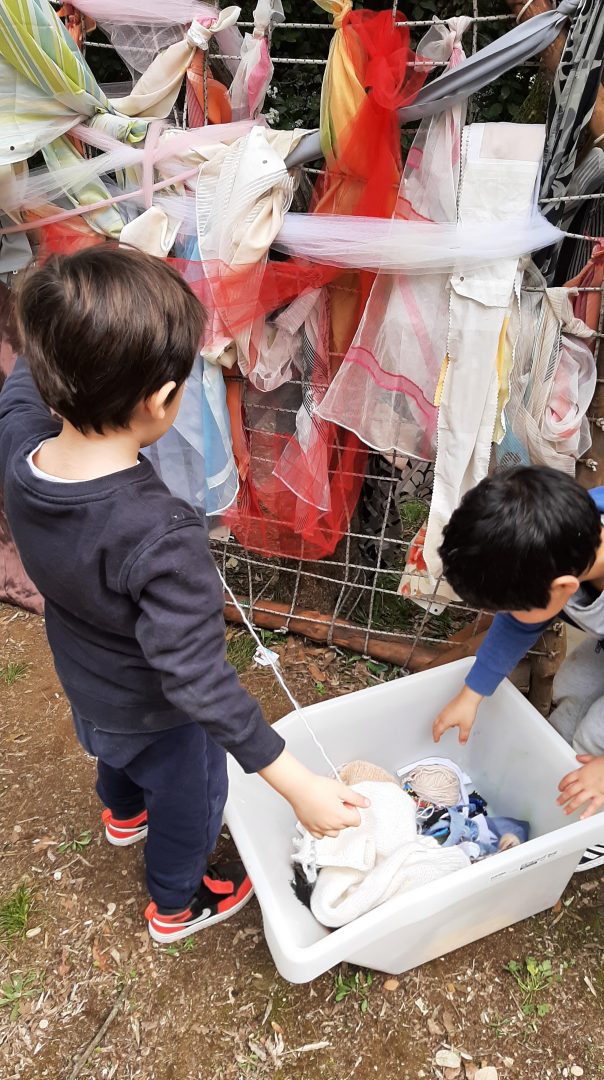
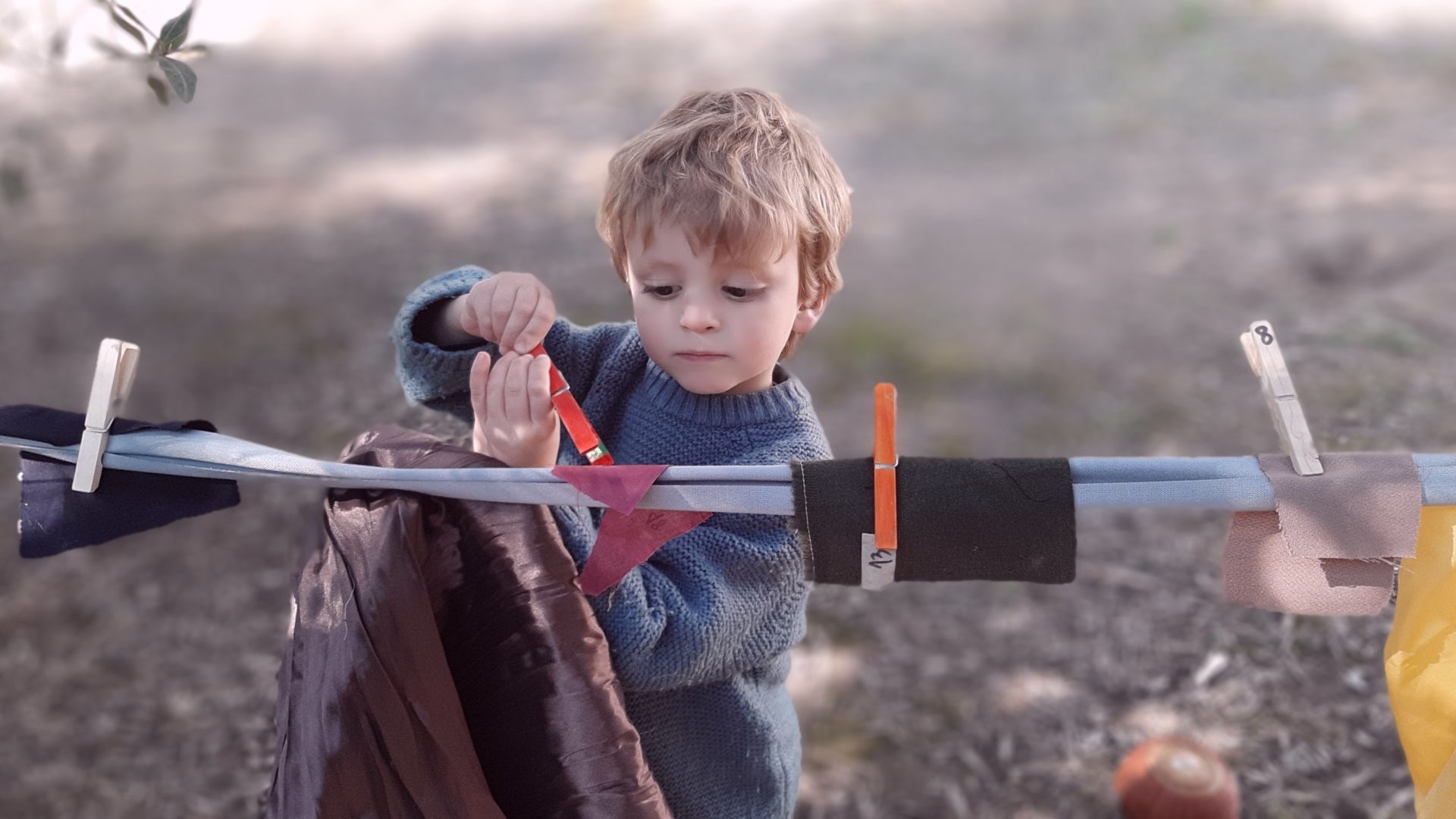
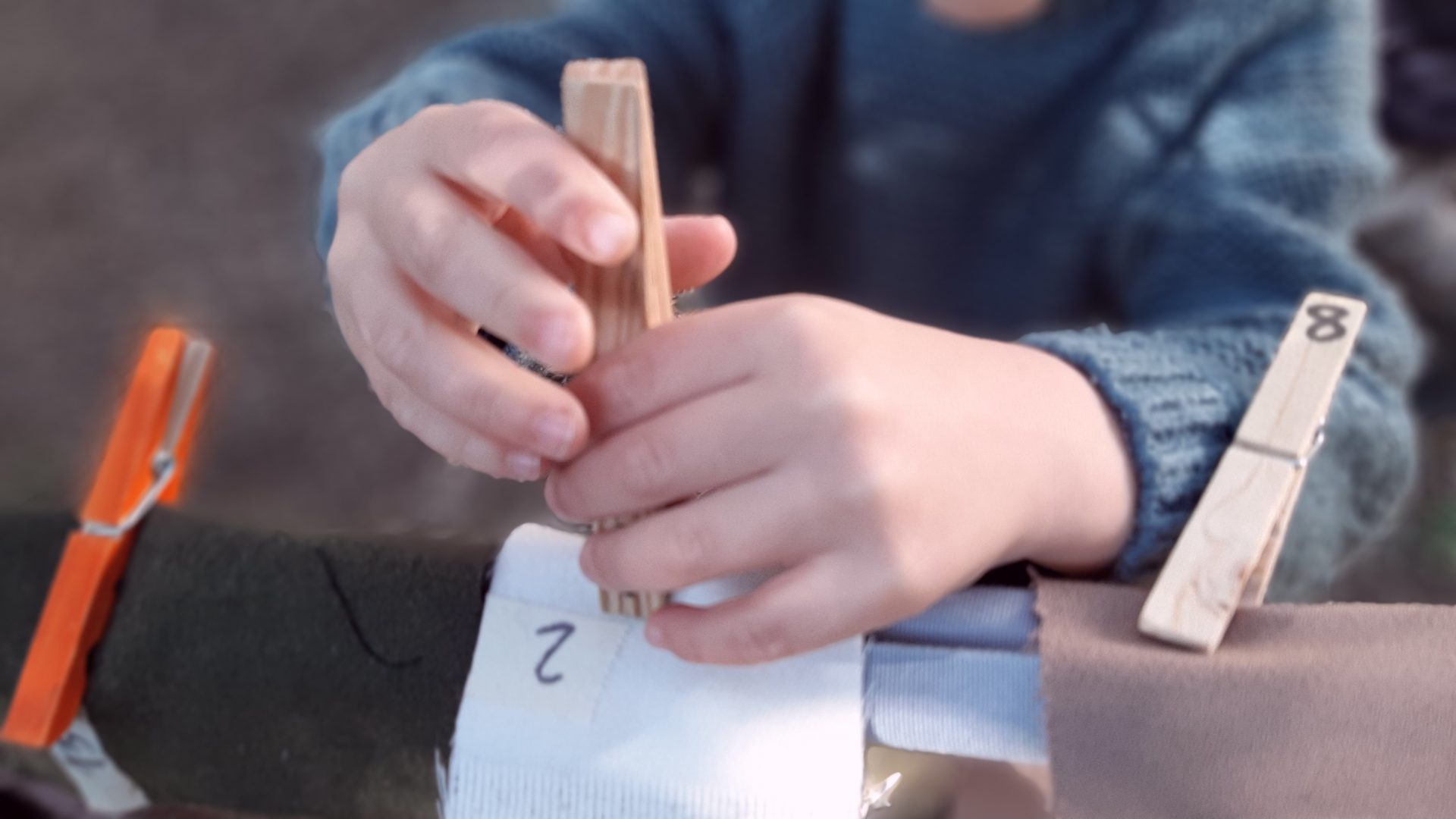
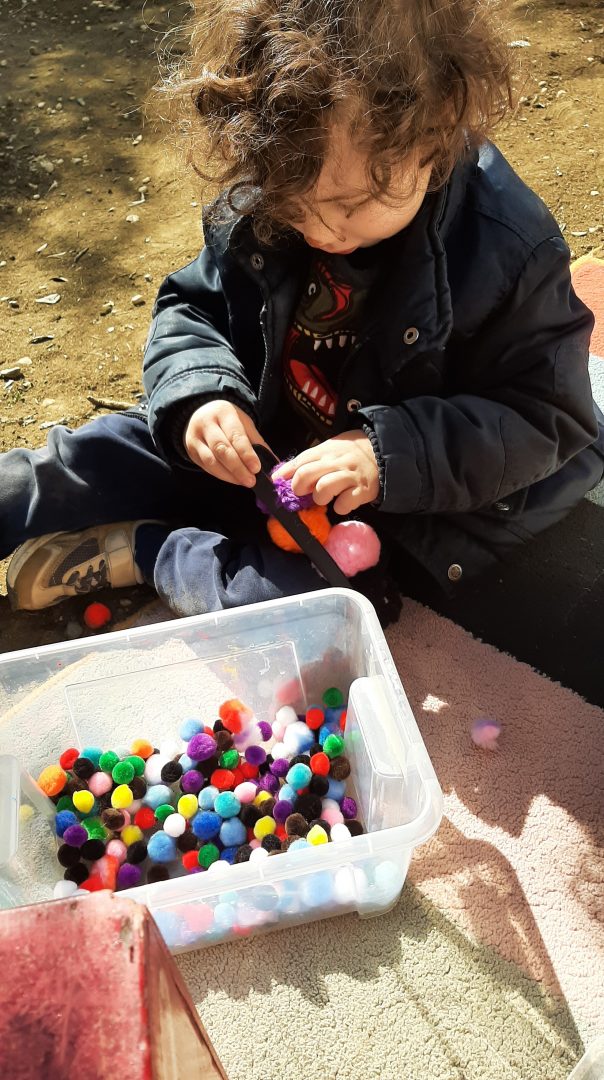
An invitation to play is a concept derived from the Reggio Emilia approach to early childhood education. The Reggio philosophy encourages children to learn through exploration, by providing materials that ‘invite them to play’ in a creative, non-directive way, with no criteria for success.





Open-ended Play
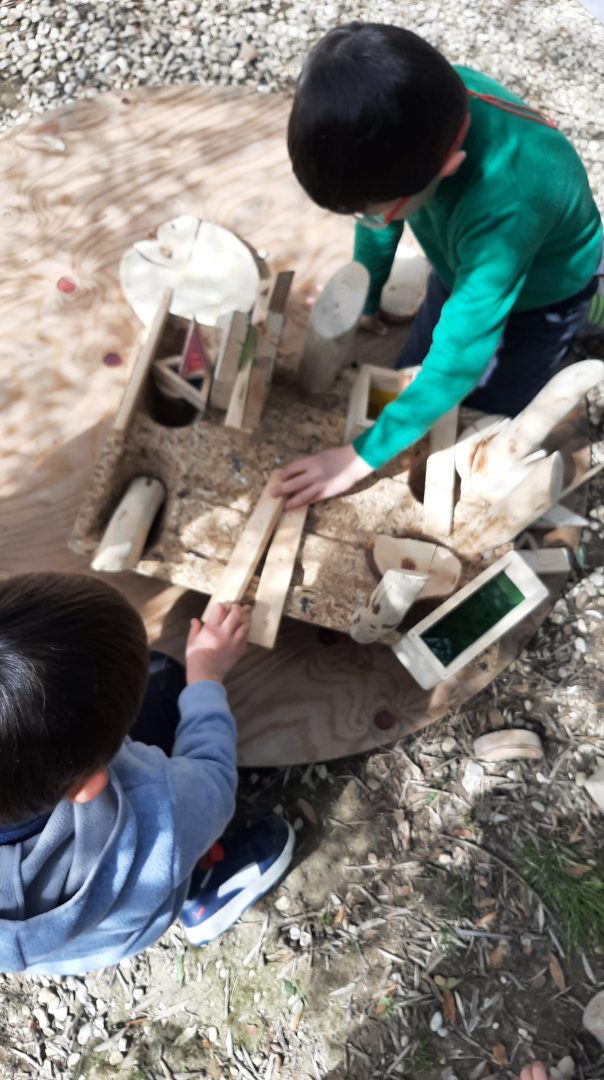
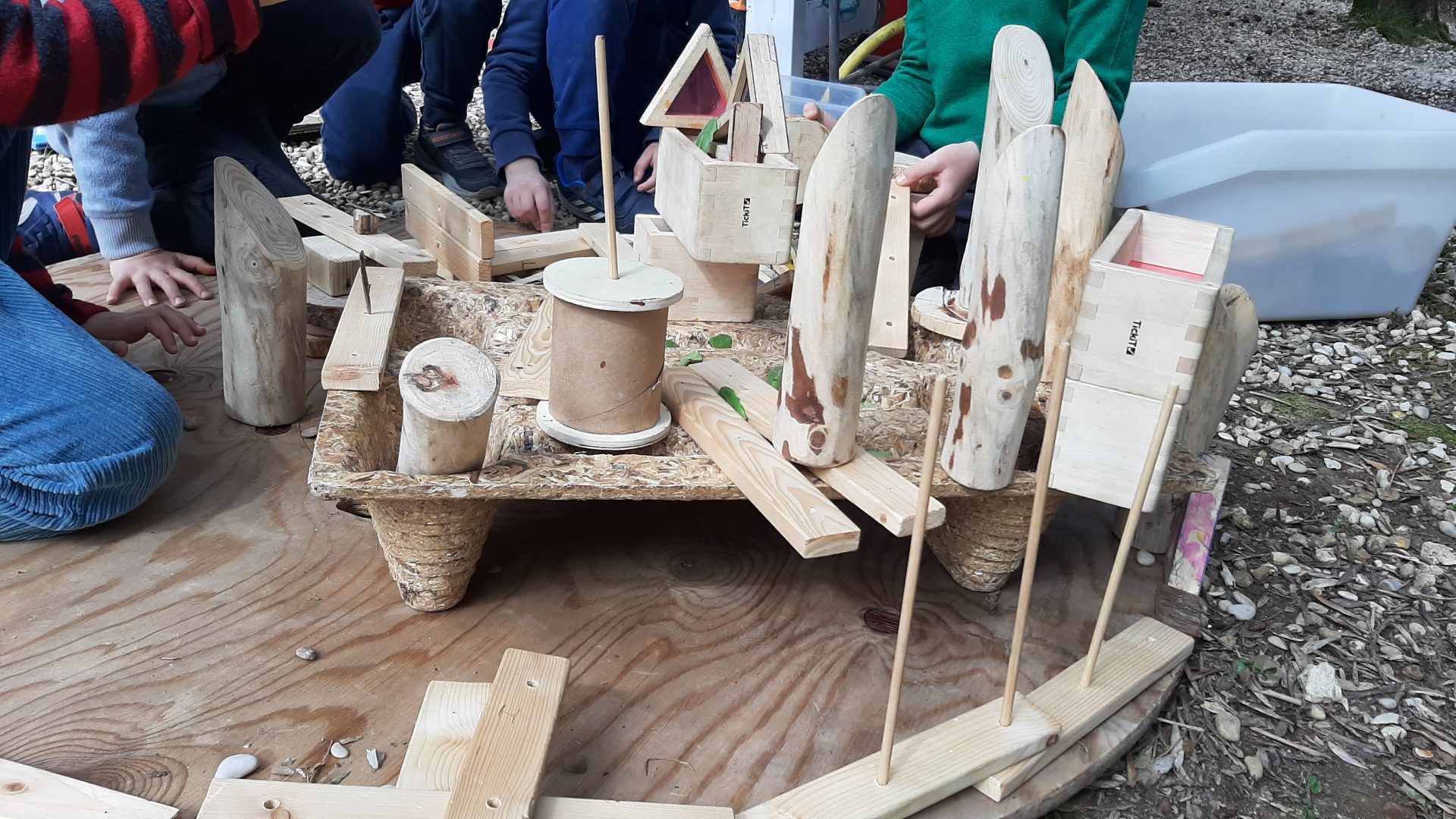
The materials on offer are open-ended, which means that they can be used in many different ways. For example, a pebble can be enjoyed by the very youngest child for it’s tactile properties, but it can also be used for sorting, counting, creating and imagining during play. The same pebble can be a cake decoration, a stepping stone for a character, or a magic bean. Through this type of play a child can develop their imagination, free from the constraints of more structured activities, and they are likely to play for longer too.




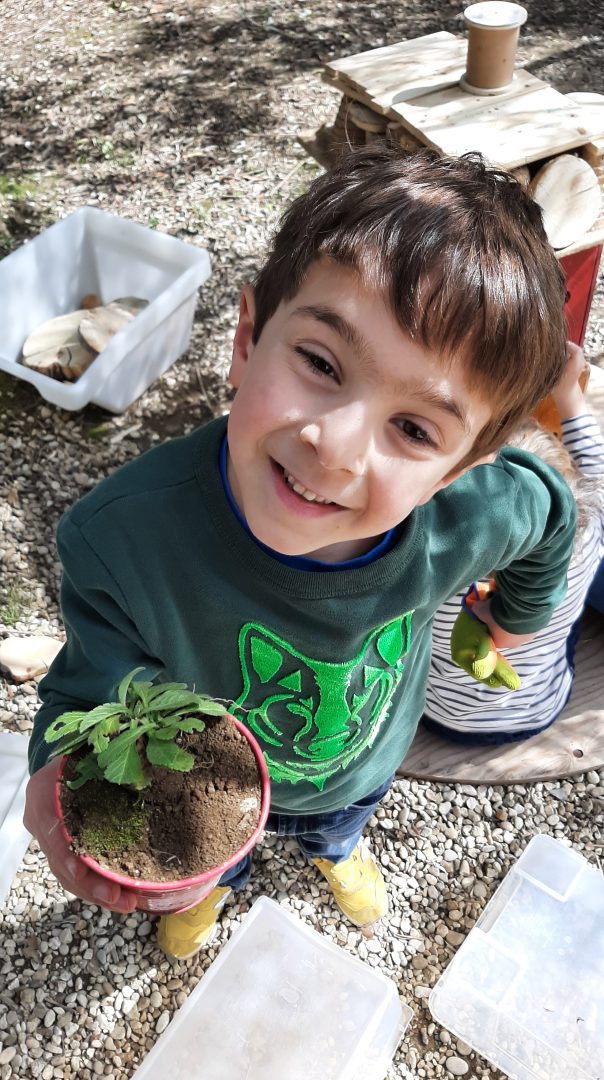


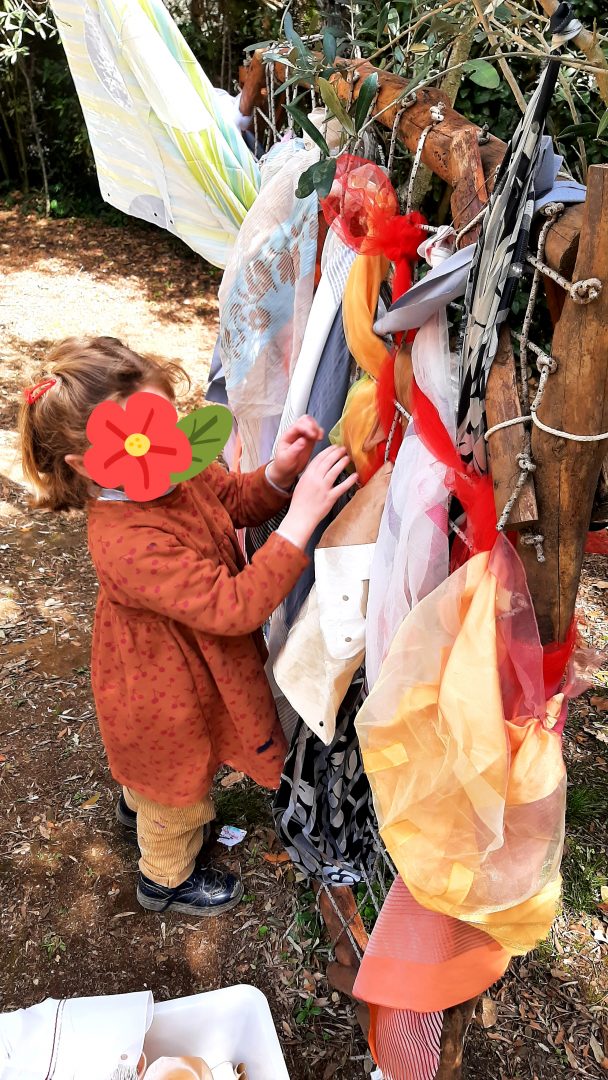


















Loose Parts
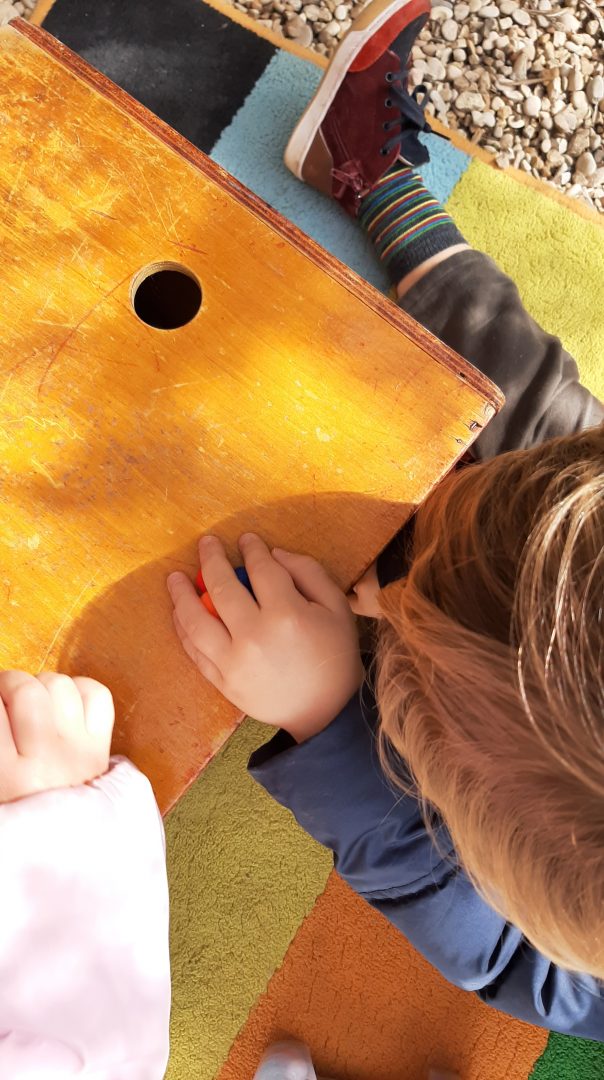
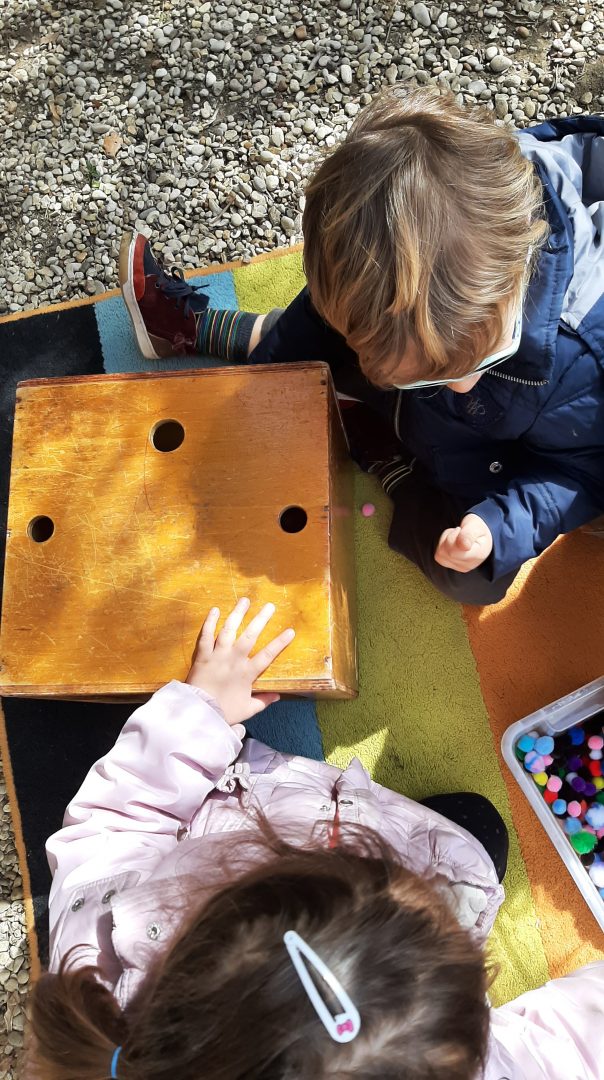
These open-ended materials are often referred to a ‘loose parts’, which can vary is size, shape and type. I like to offer a range of natural materials where possible, as I believe they provide the most interest and variety, and I passionately believe that exploring nature fosters an enjoyment and love for our precious natural world. I also use interesting and stimulating recycled materials to encourage a culture of sustainability
Child-led Discovery
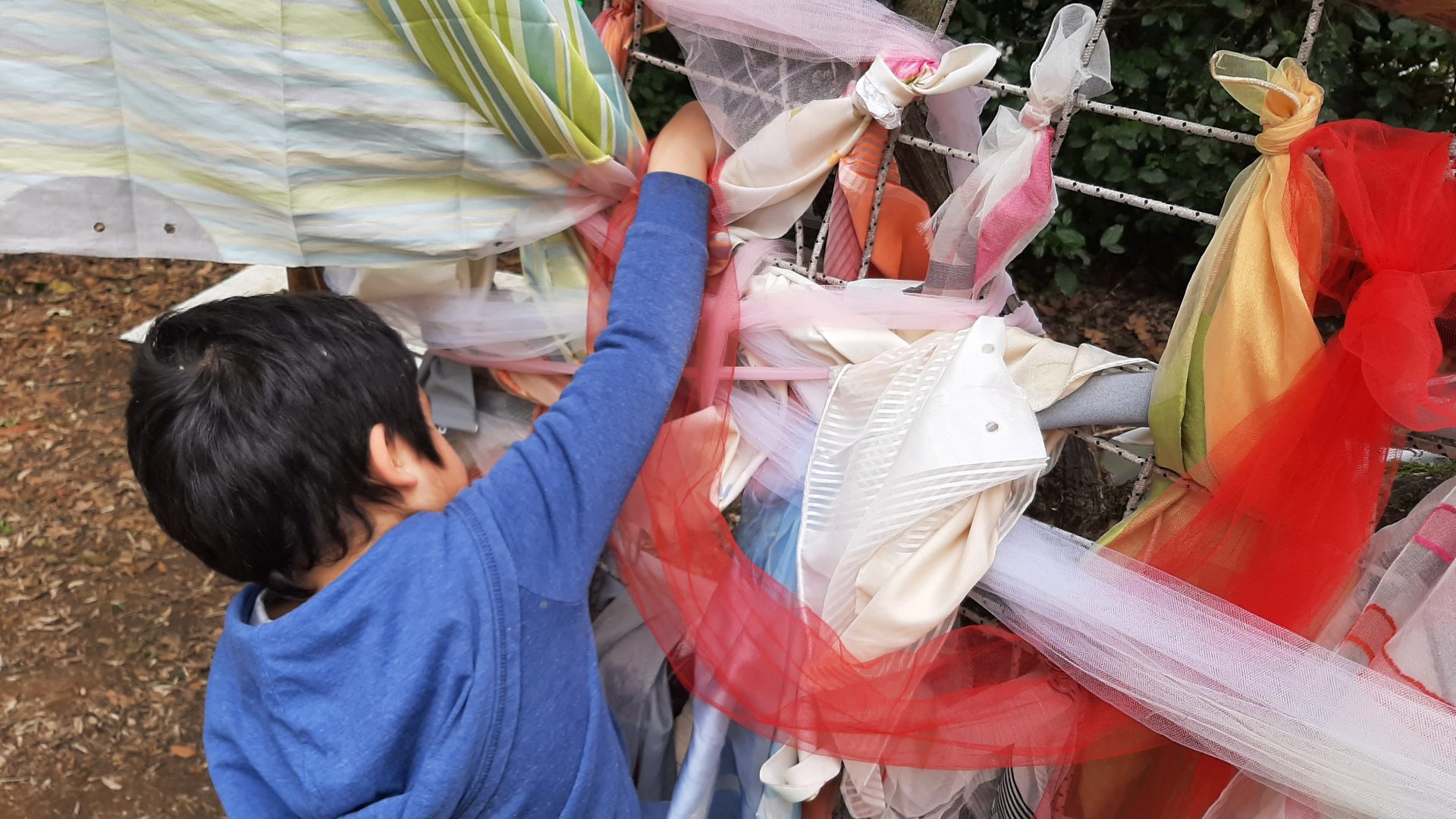
Children especially enjoy discovering these invitations themselves as opposed to being directed towards them, and will often surprise you with how they engage with the materials, if you allow them to follow their own paths of inquiry and remain non-intrusive.











…..
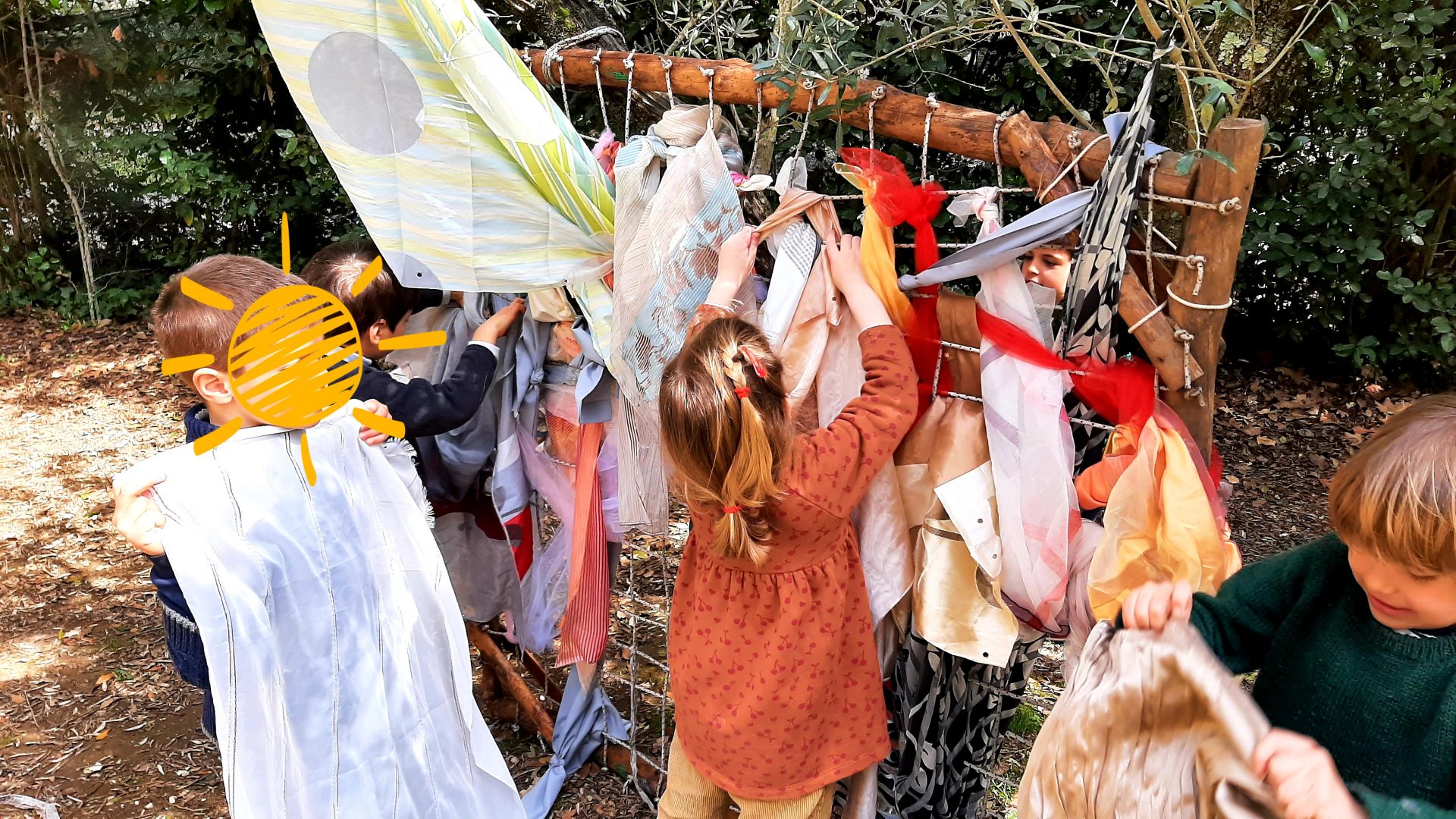
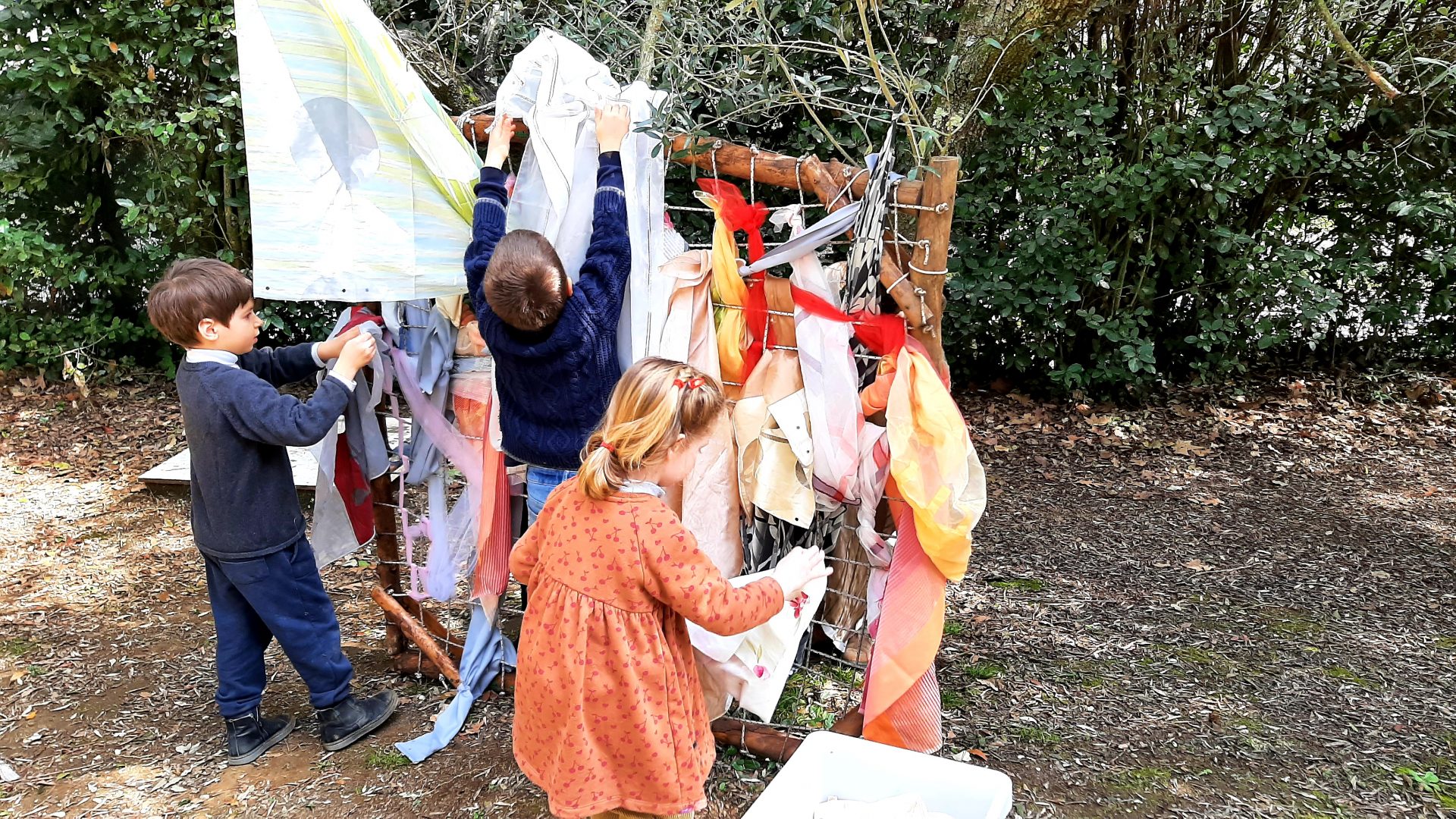
Early years “Vertical Painting “
Benefits of working on a vertical surface:
-
Gross Motor skills:
While practising activities on a vertical surface, your child will move around, use his whole body to go from side to another side of the surface he is working at. He engages his whole body.
-
Cross the midline
If your child paints on an easel, in order to paint on the whole surface, she will cross the midline several times.
What is the midline? The body’s mid-line is an imaginary line down the centre of the body that divides the body into left and right. Crossing the body’s mid-line is the ability to reach across the middle of the body with the arms and legs. This allows children to cross over their body to perform a task on the opposite side of their body. In the case of painting on an easel, it means that your child will be able to draw a horizontal line across a page without having to switch hands in the middle. Crossing the body’s mid-line is an important developmental skill needed for many everyday tasks such as writing, reaching towards your foot to put on a shoe and sock with both hands and hitting a ball with a bat.
-
Shoulder elbow stability
The use of larger vertical surfaces allows your child to use bigger arm movements that encourage strength and flexibility throughout the joints and muscles of the upper extremities.
-
Wrist and pencil grasp
Vertical surface mark making and writing naturally puts the wrist in an extended position which encourages hand stabilization for better pencil grip and control of writing utensils.
-
Visual attention and hand/eye coordination
When a child works on a chalkboard or easel, he will be closer to the surface he works on. That will foster concentration, visual attention and hand/eye coordination. If your child is distracted while colouring and painting at a table, give him the same activity on an easel and he might be more able to keep his attention on the task.
-
Spatial awareness
When working on a vertical surface, the child will have a more hands-on understanding of directional terms such as up and down, high and low. He can relate to the words you might use with his own body.
-
Core strengthening and muscles coordination
Working standing up, moving from one side to the other, squatting and going on their tiptoes to reach some area of the easel will engage your child’s core muscles.
-
Perfect for fidgety children
Working on a vertical surface is also perfect for fidgety children. If your child is on the move, give him a brush, a pot of water and let him paint the garden fences!

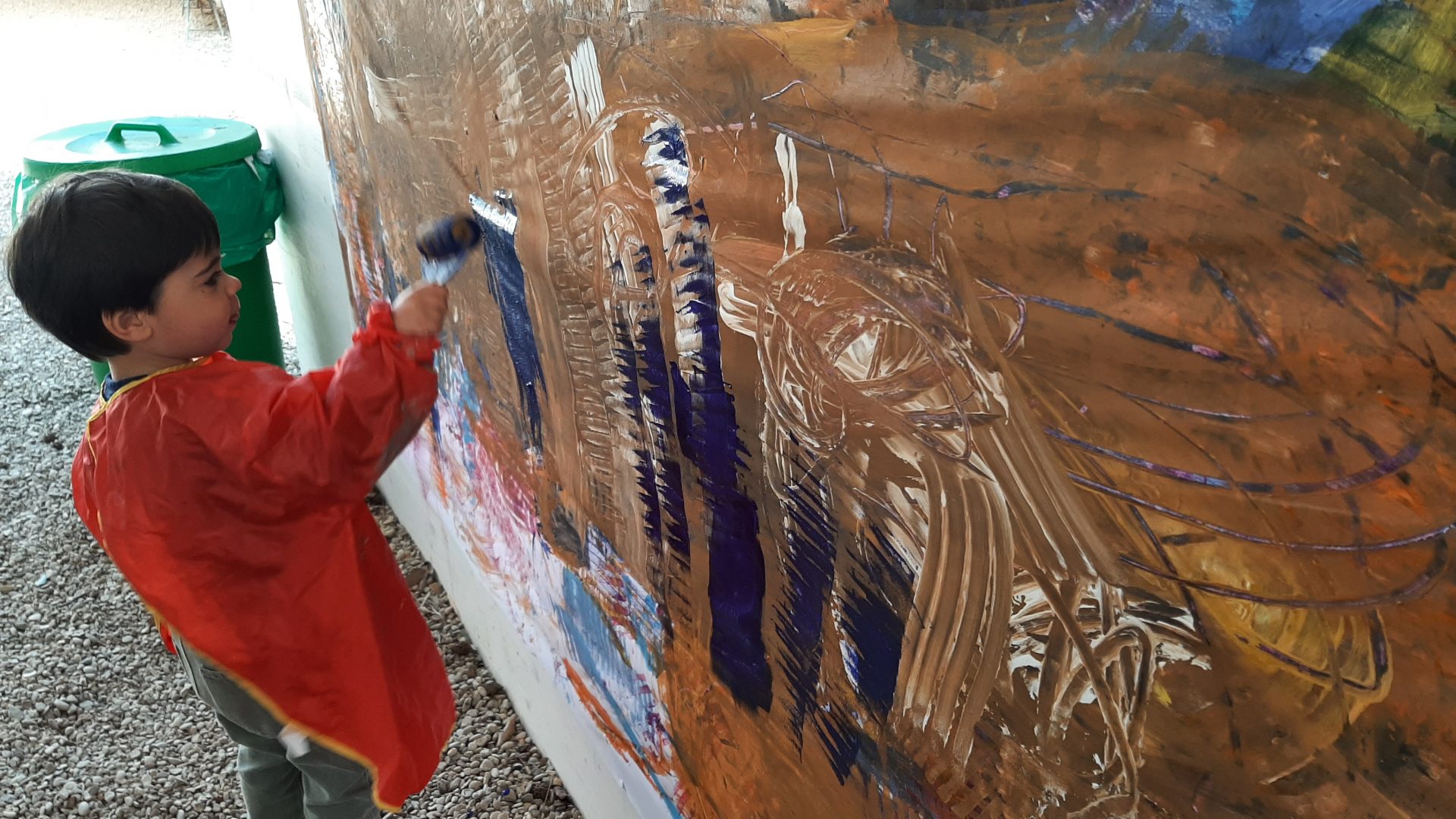


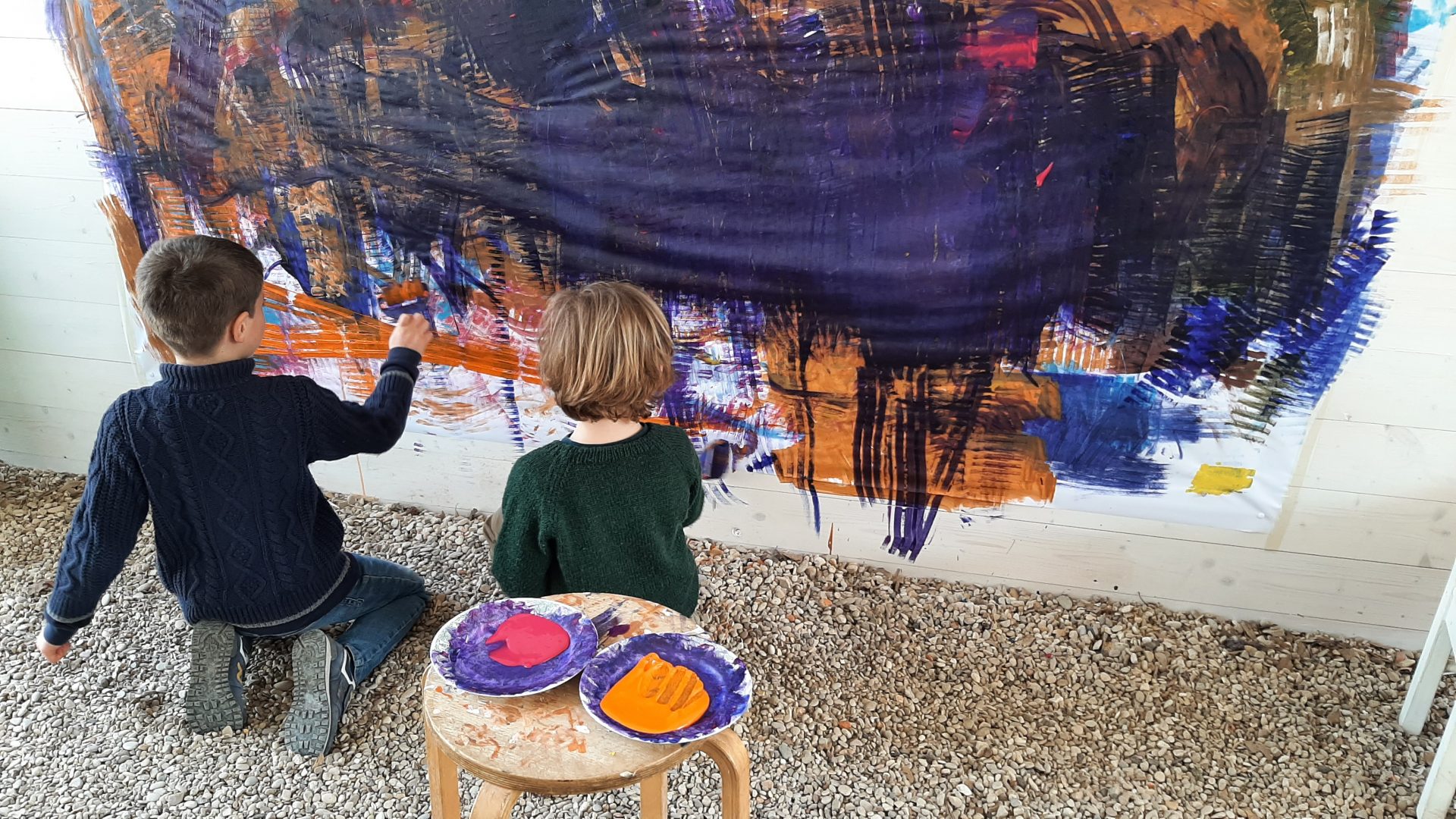

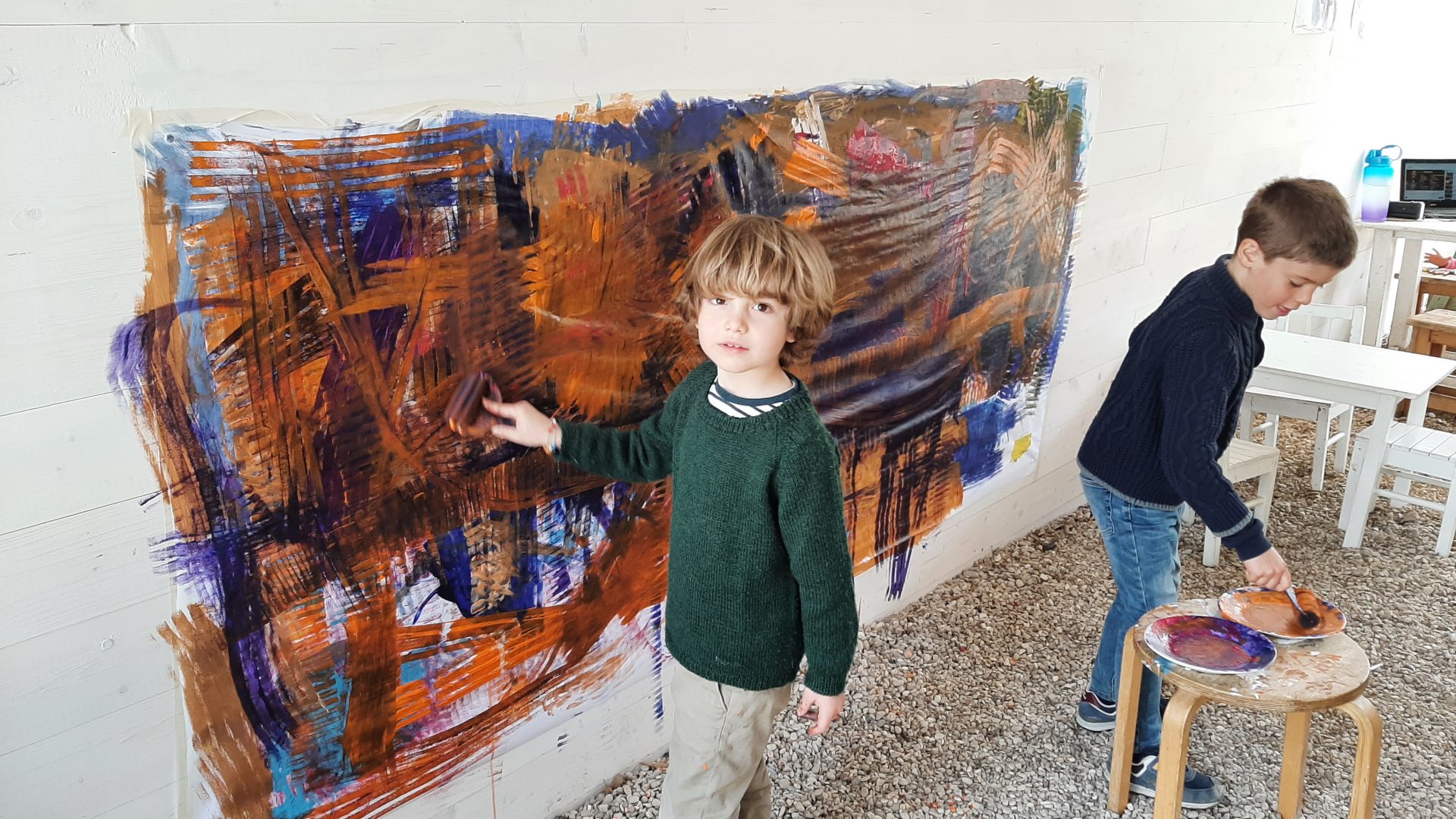


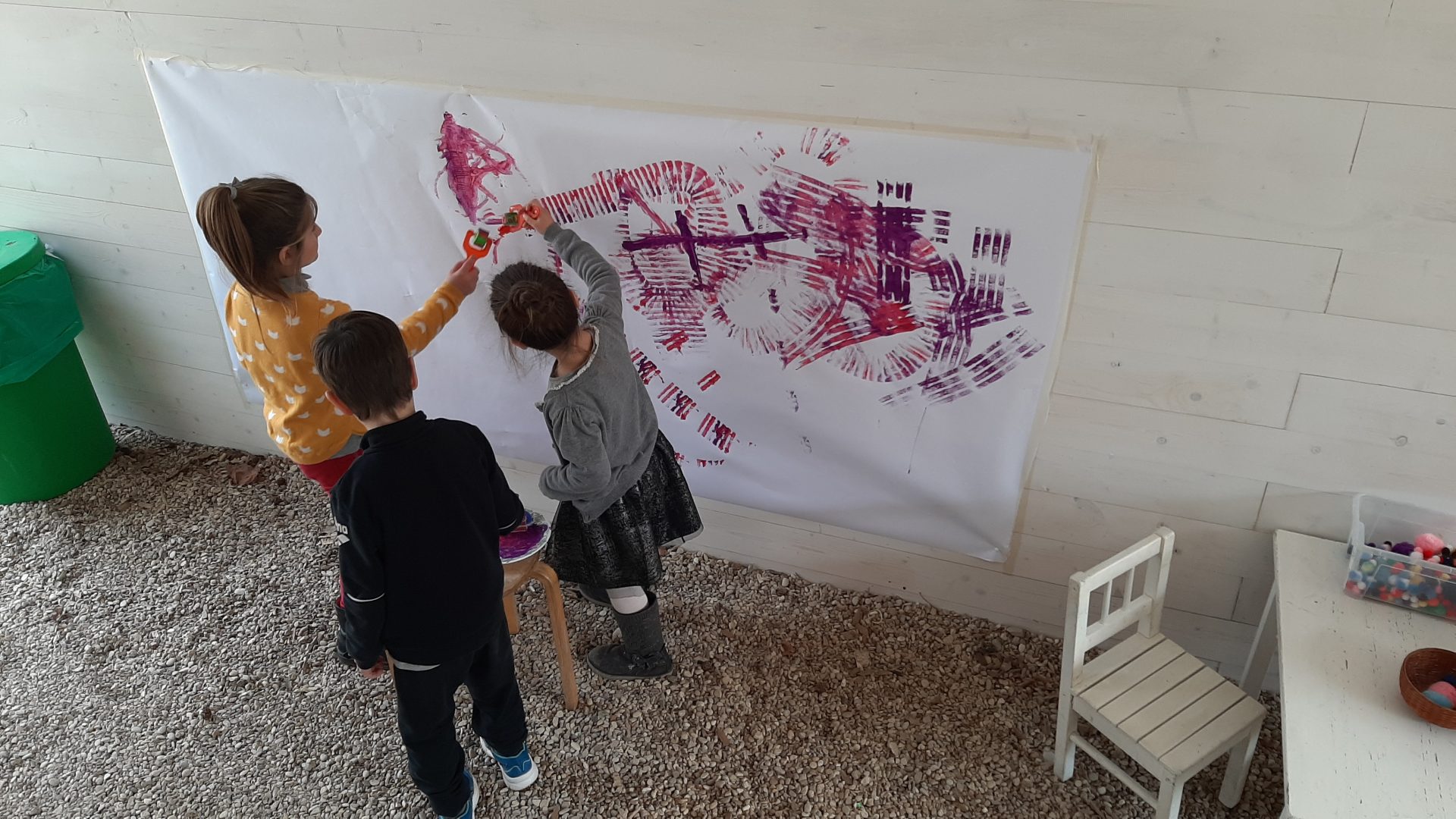


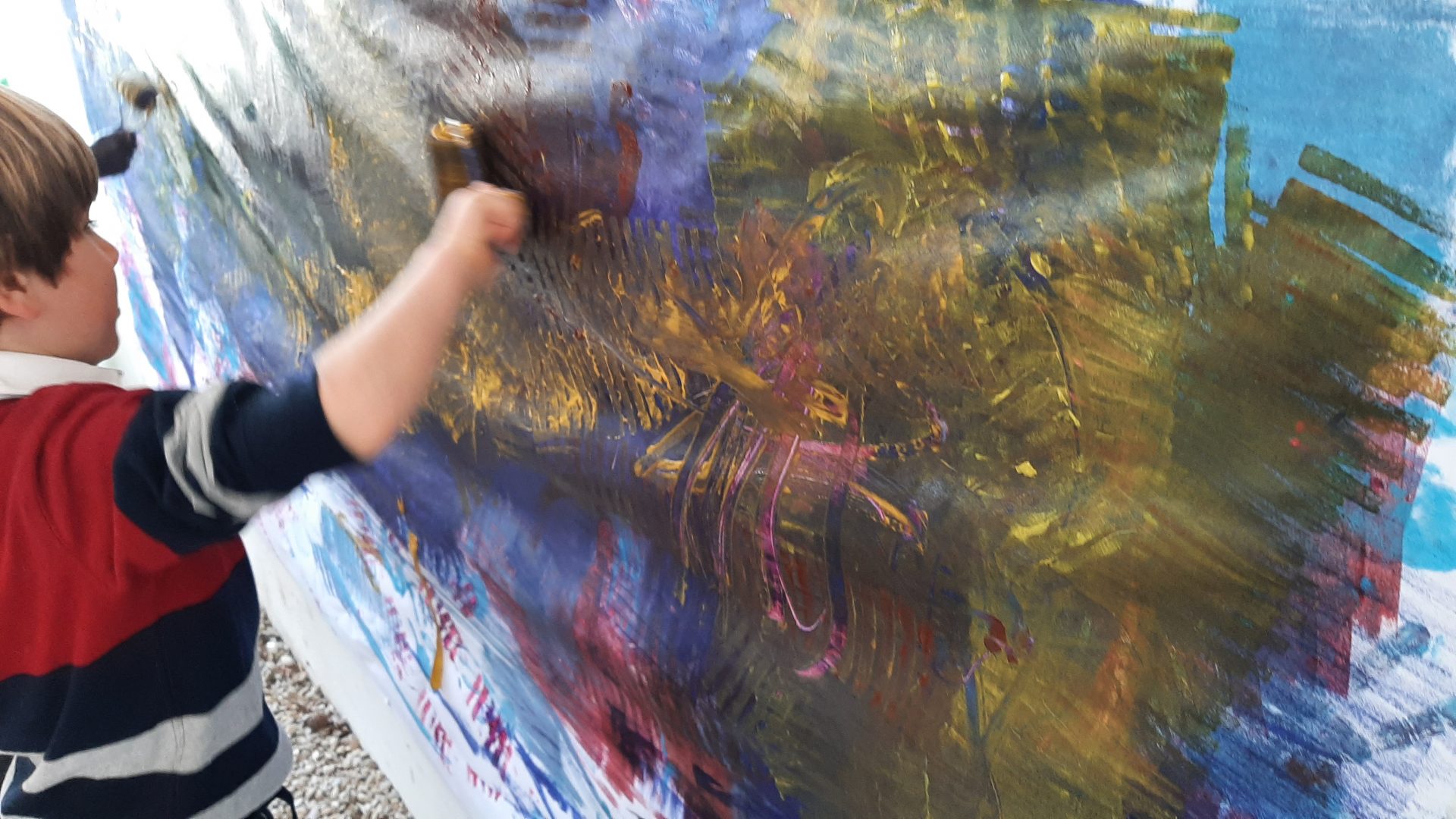

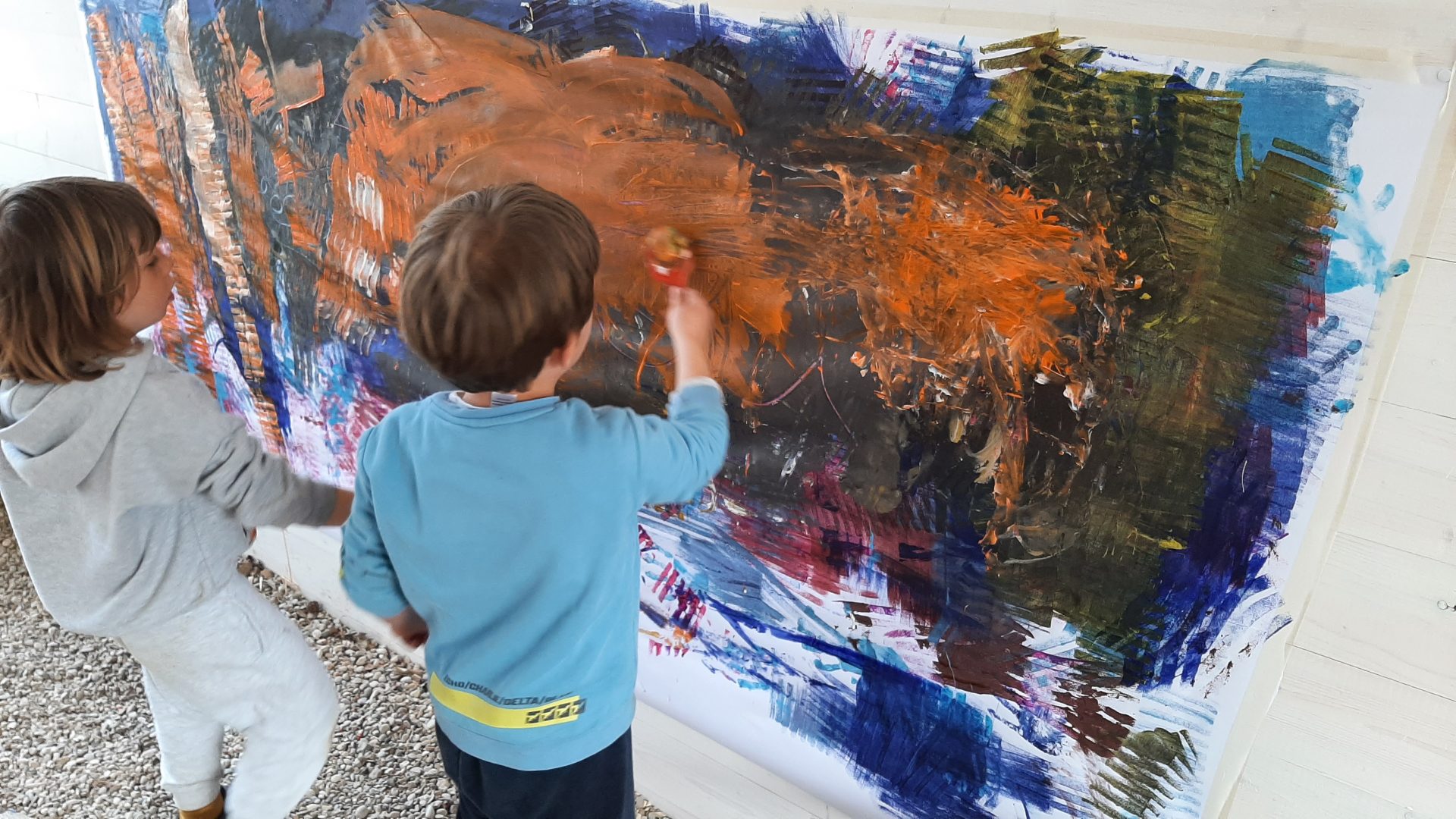

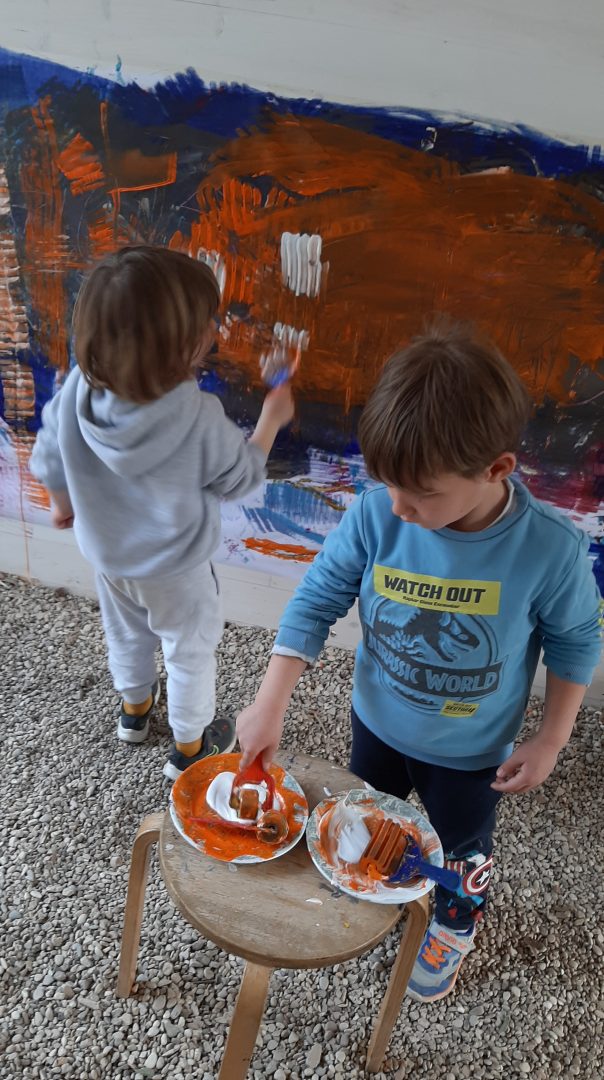


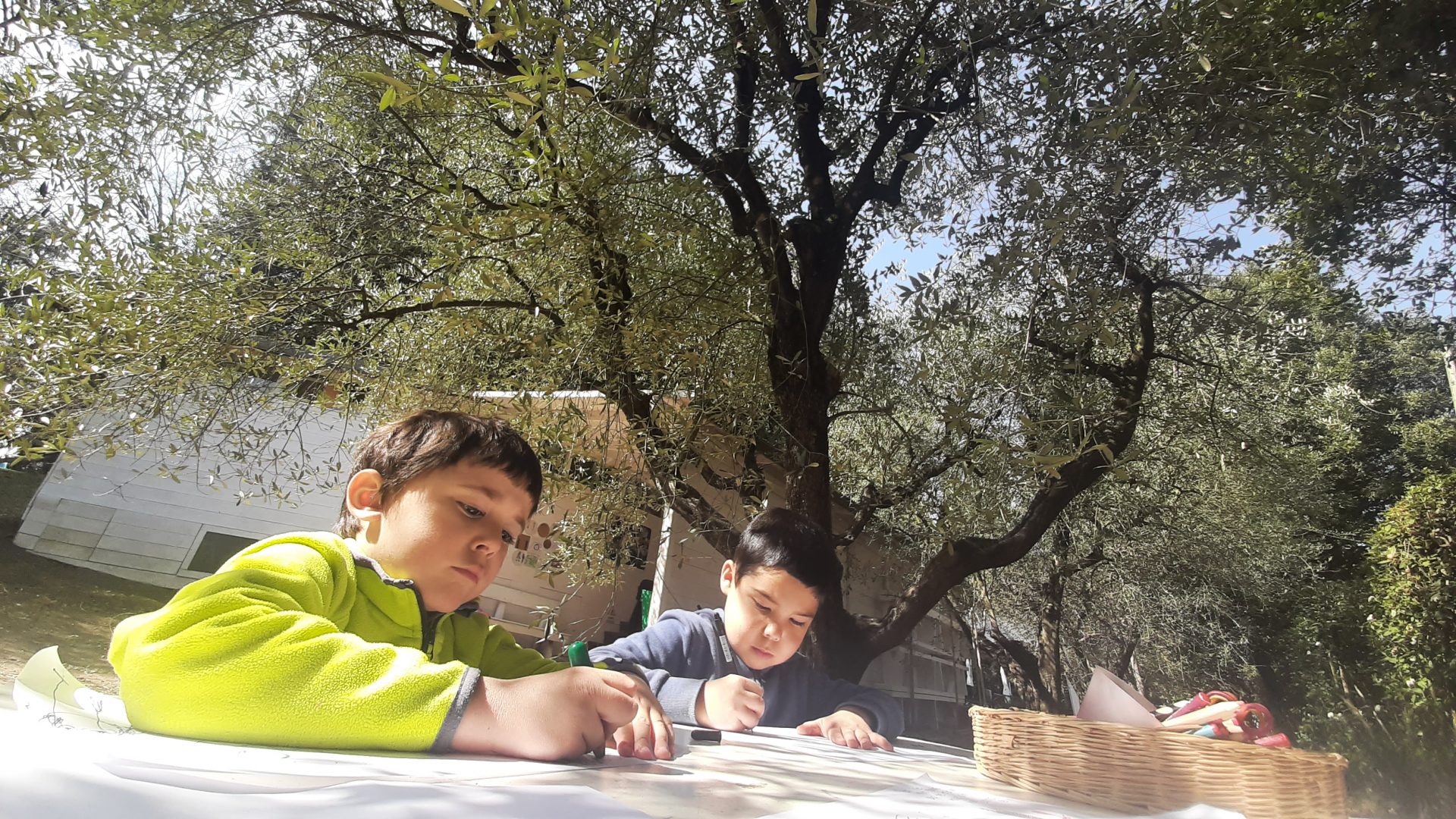


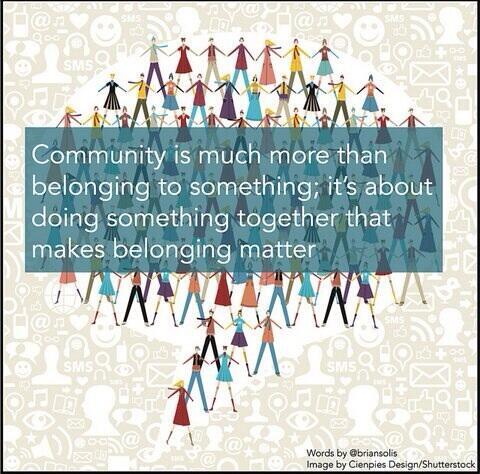
When children feel a sense of belonging, they develop confidence and self-identity.
A Sense of Identity
Experiencing belonging–knowing where and with whom you belong –is integral to human existence. Children belong first to a family, a cultural group, a neighborhood and a wider community. Belonging acknowledges children’s interdependence with others and the basis of relationships in defining identities. In early childhood, and throughout life, relationships are crucial to a sense of belonging. Belonging is central to being and becoming in that it shapes who children are and who they can become.
A child learns and develops a sense of identity through their relationships and experiences at home, family interactions and their environment. As they play, learn and try new things, they will develop an understanding of their own identity.
It is important for children to develop an understanding of themselves as significant and respected in order to develop pride and strength in their own personal and cultural identity, as well as respect for others.
A Sense of Belonging
Fostering a sense of belonging for children can create an environment where learning can thrive. When learning feels open and collaborative, children feel safe to share ideas. They are confident in applying their knowledge or skills, and are supported when they take a risk or even experience failure. When children feel like someone knows them and believes in them, there is a greater motivation to succeed.
All children should feel that their world is a safe place where people care about them and their needs, they can develop positive relationships and where they will be able to seek help when needed. When these needs are met, children can develop a sense of belonging.
A sense of belonging has been found to help protect children against mental health problems and improve their learning. Children who feel that they belong are happier, more relaxed, and have fewer behavioral problems than others. They are also more motivated and more successful learners.
Building Relationships
Children build and experience attachments with people as soon as they are born. Positive relationships that are warm, caring and consistent help children feel safe and secure. When children experience these relationships, they learn to use these skills in their own relationships with others. Developing and maintaining strong attachments with familiar adults and friends can have a positive effect on their mental health and wellbeing.
In childcare settings, children are part of a core of relationships between children, families and staff. Together everyone plays an important role in developing positive relationships. It is crucial that infants and young children are given the opportunity to build these connections in order to promote positive relationships as they grow.
Teachers Play a Role
In order to build a sense of belonging, young children need to learn the process of developing their skills to work with others. They must learn to play cooperatively, help others, have a sense of empathy, and be a part of a team. These skills are not automatic but are developed over time through healthy routines and consistent expectations that are set in the classroom.
Routines can help young children understand what to do so that they can focus on how to do things with others. Routines such as classroom jobs and keeping a consistent schedule can help young children feel and be a more confident participant of your classroom.
Parents Play a Role
When early childhood professionals and parents work together, it helps to create a positive sense of community for the child. Research has shown that a greater family involvement can have a positive impact in areas such as children’s early learning skills and behavior.
Developing a sense of belonging from a young age allows children to feel confident in exploring new ideas, engaging in learning and being self-expressive. Families and early childhood professionals can set children up to be strong leaders in the future.


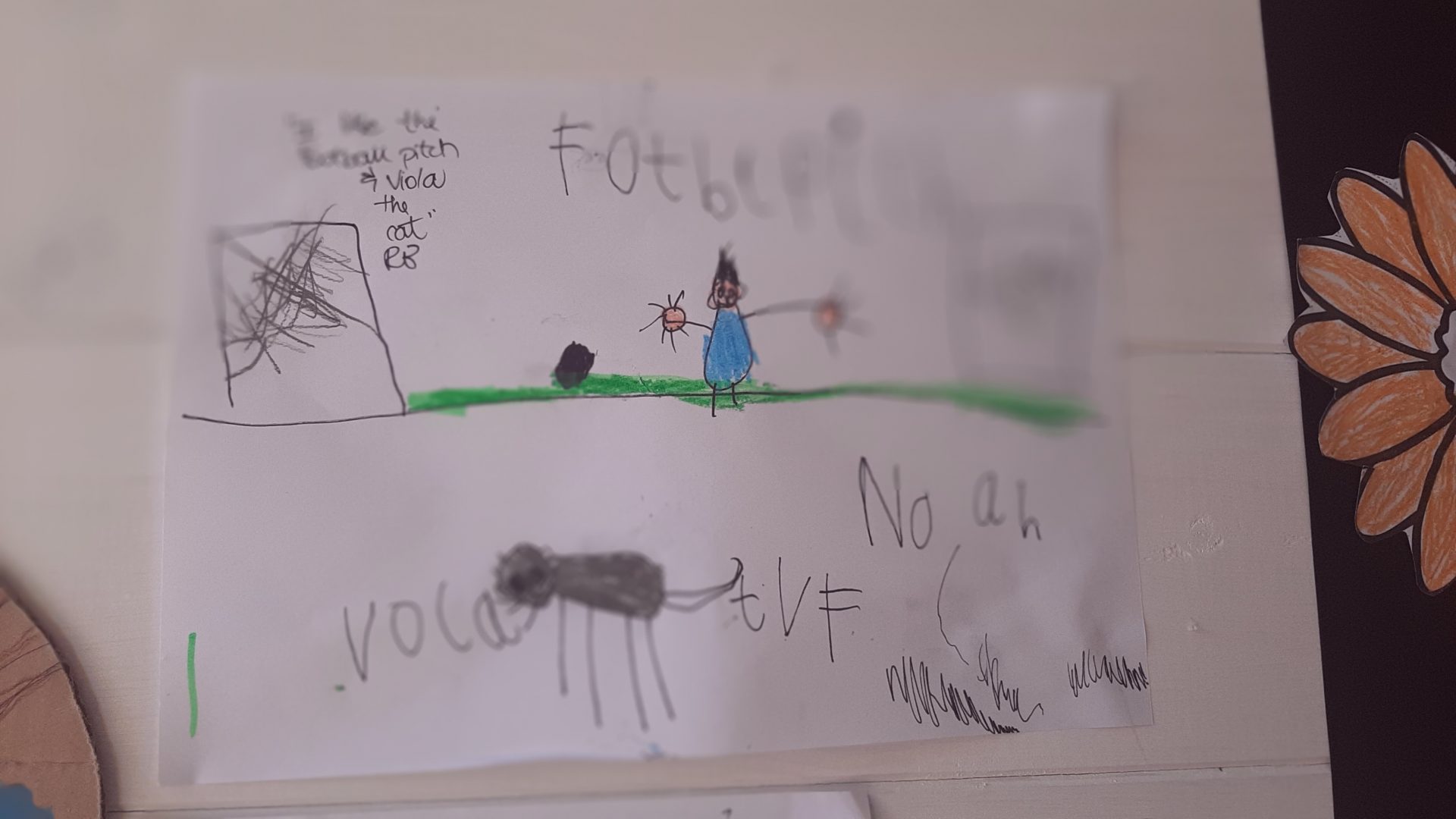
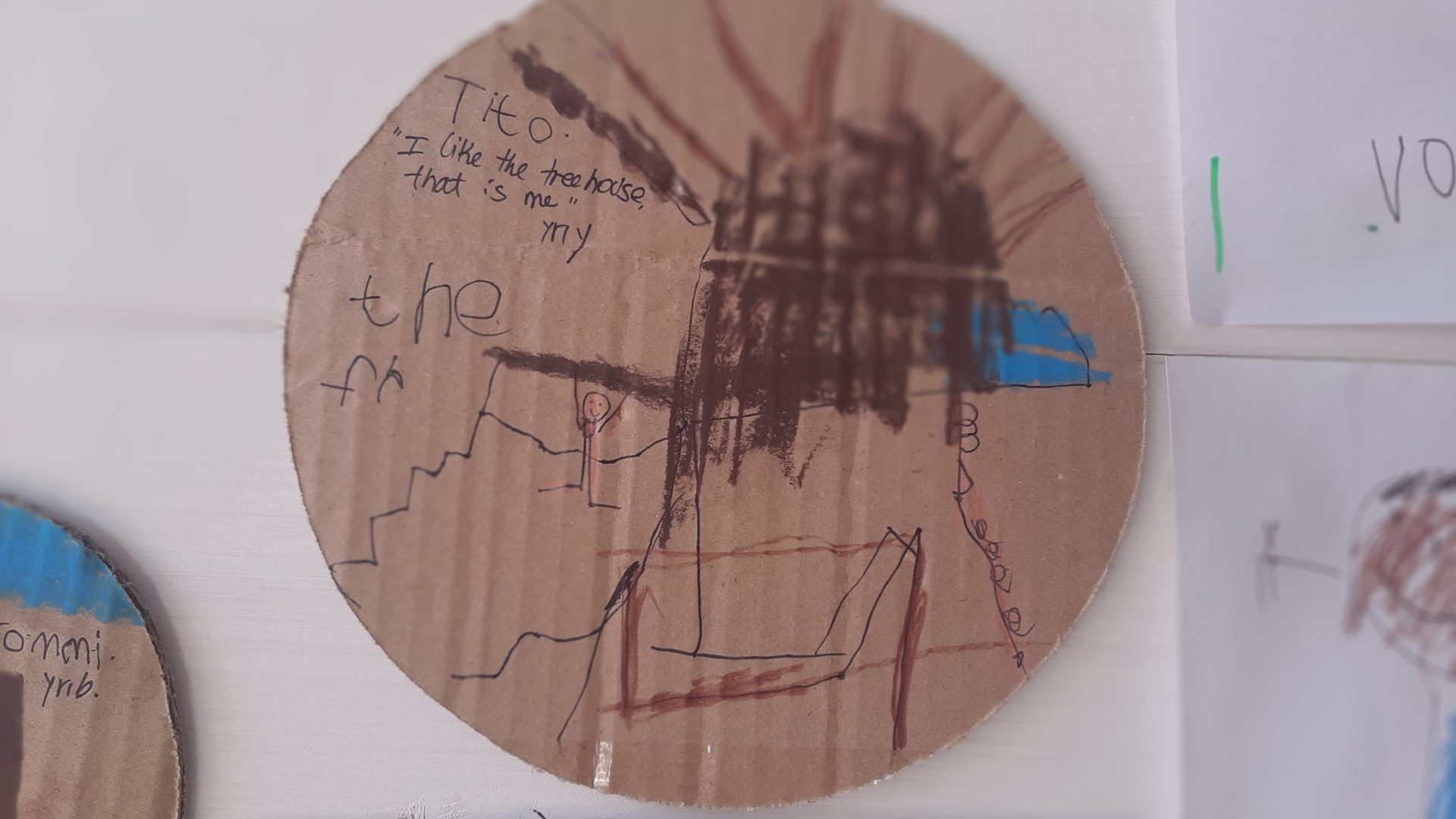


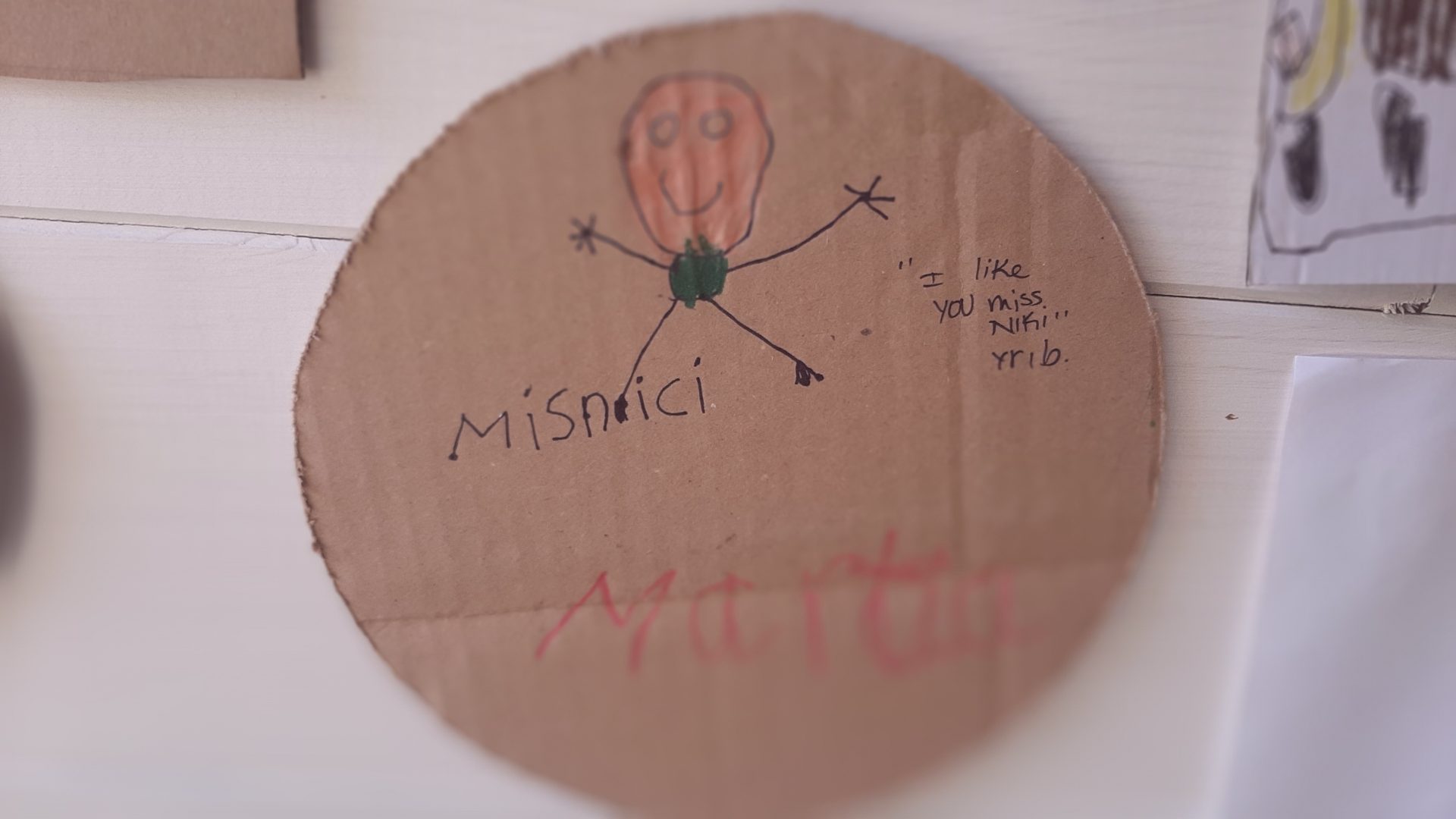


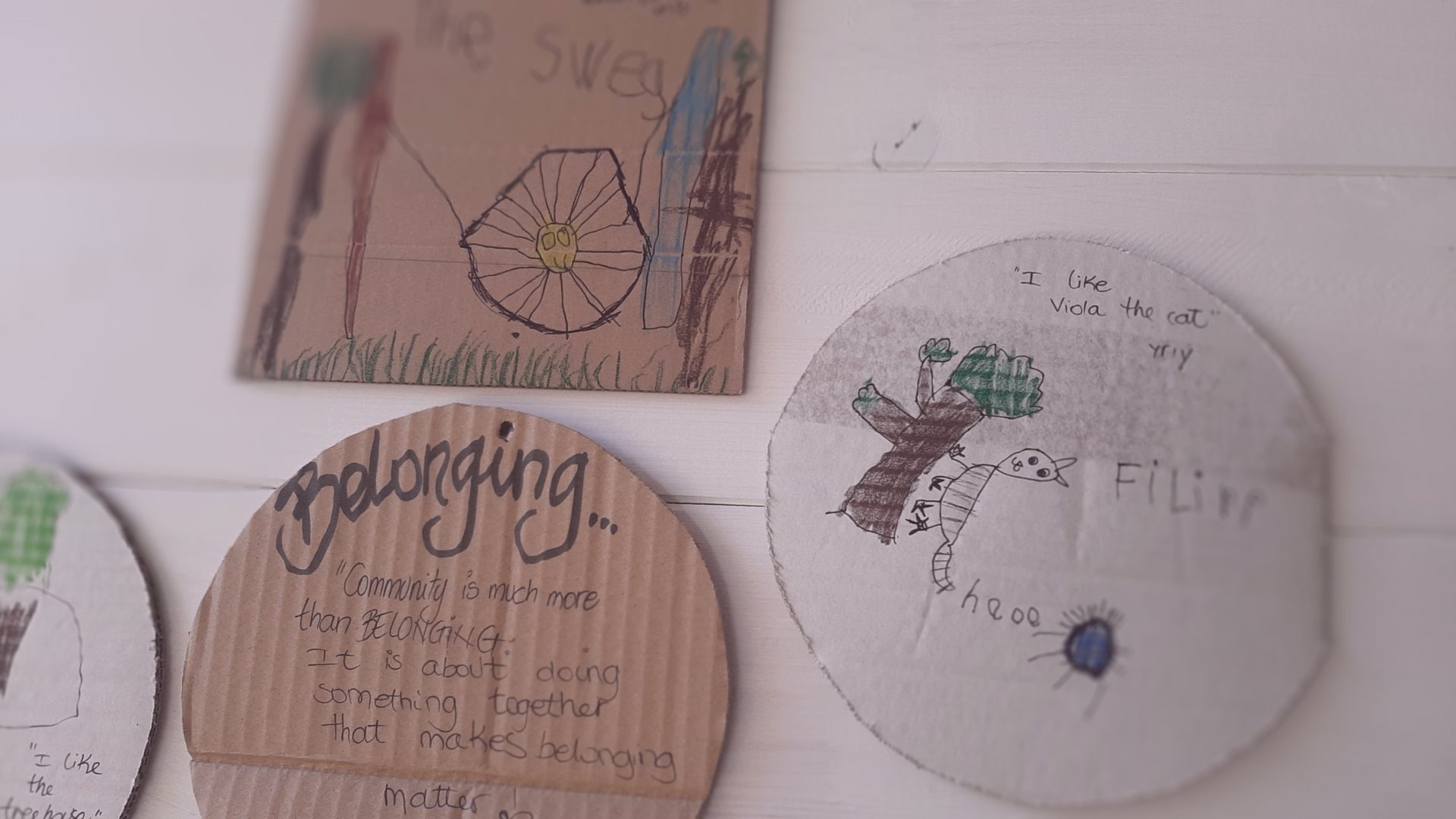
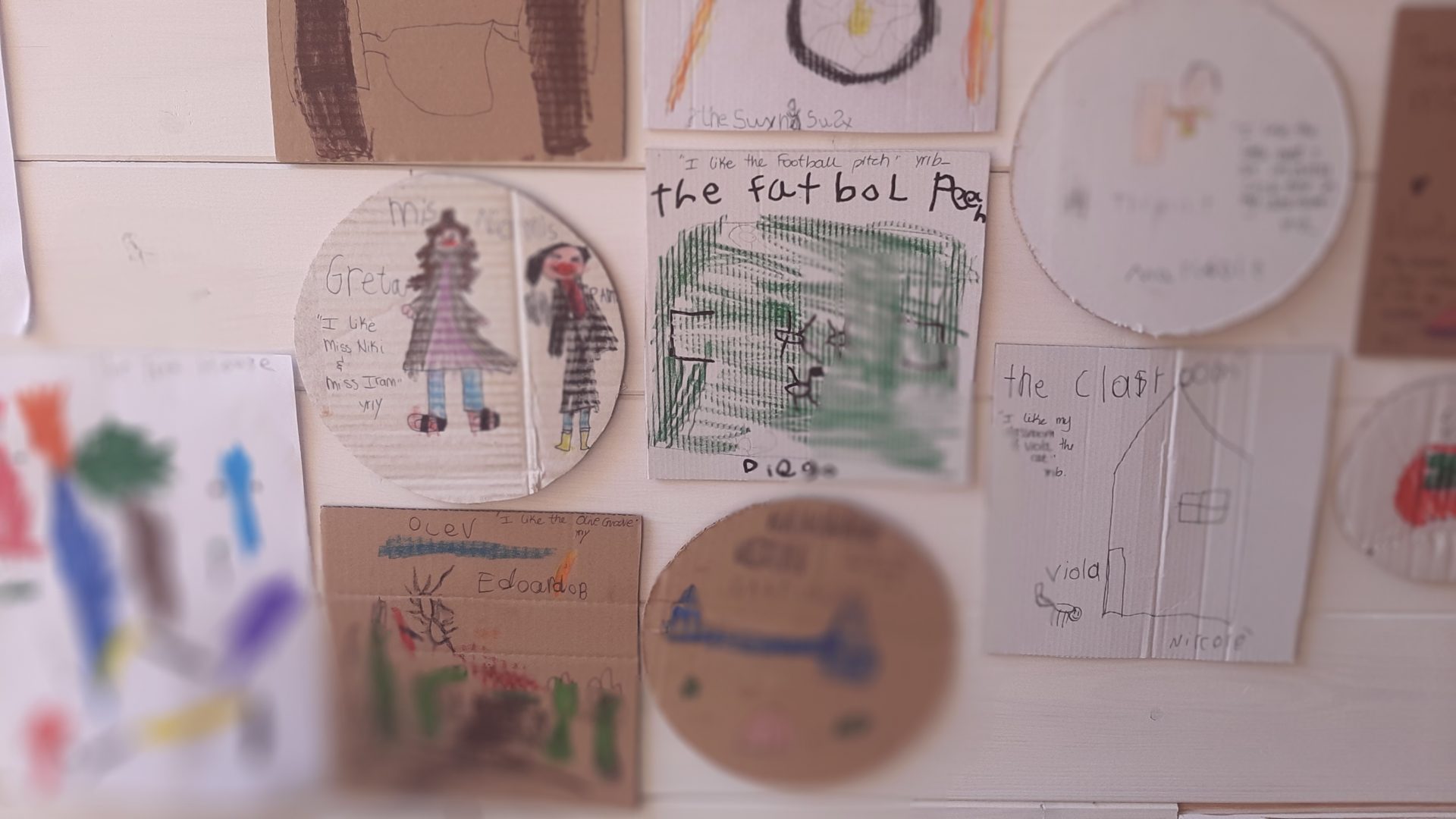



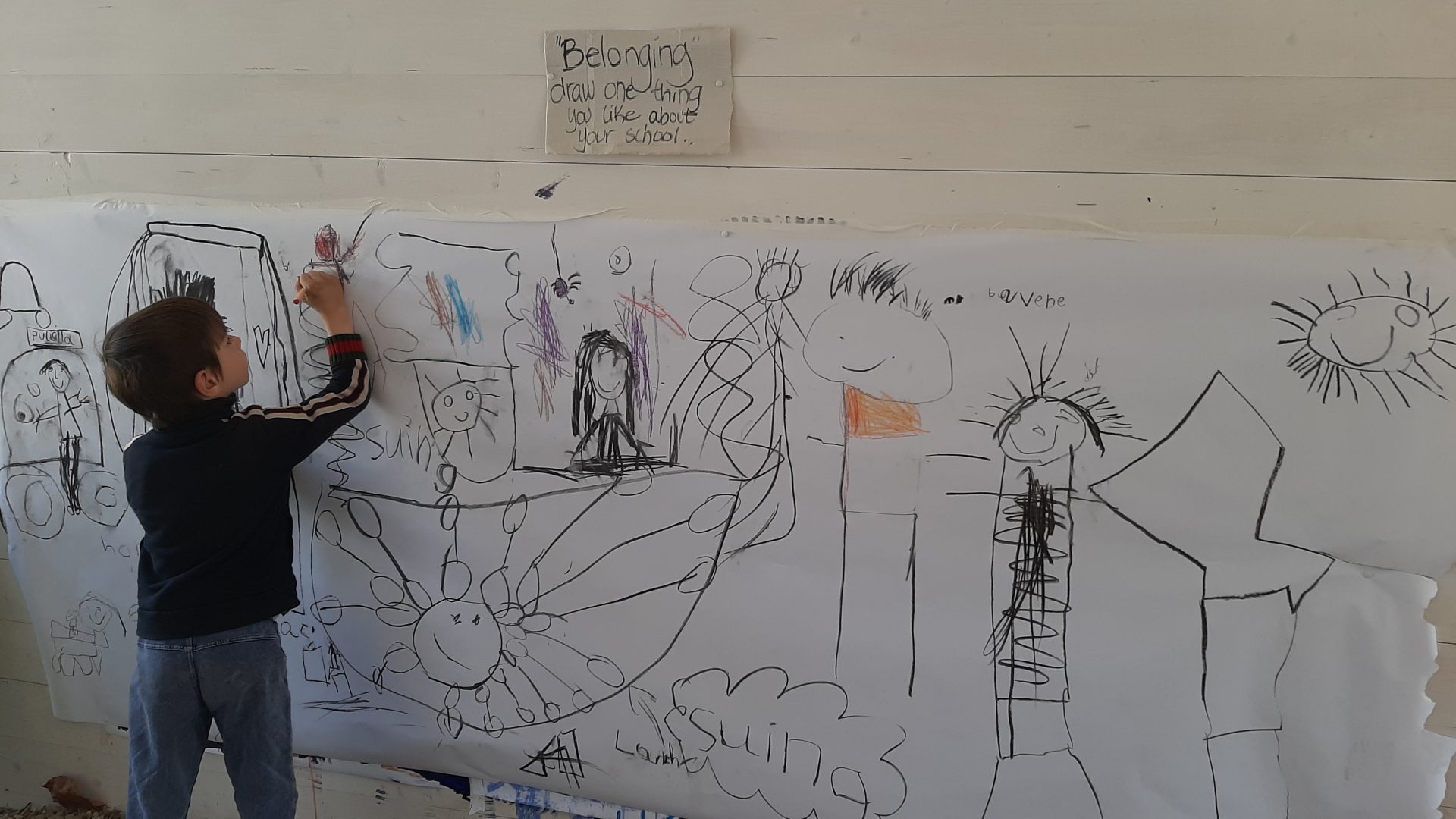


Yr 1 & Reception.
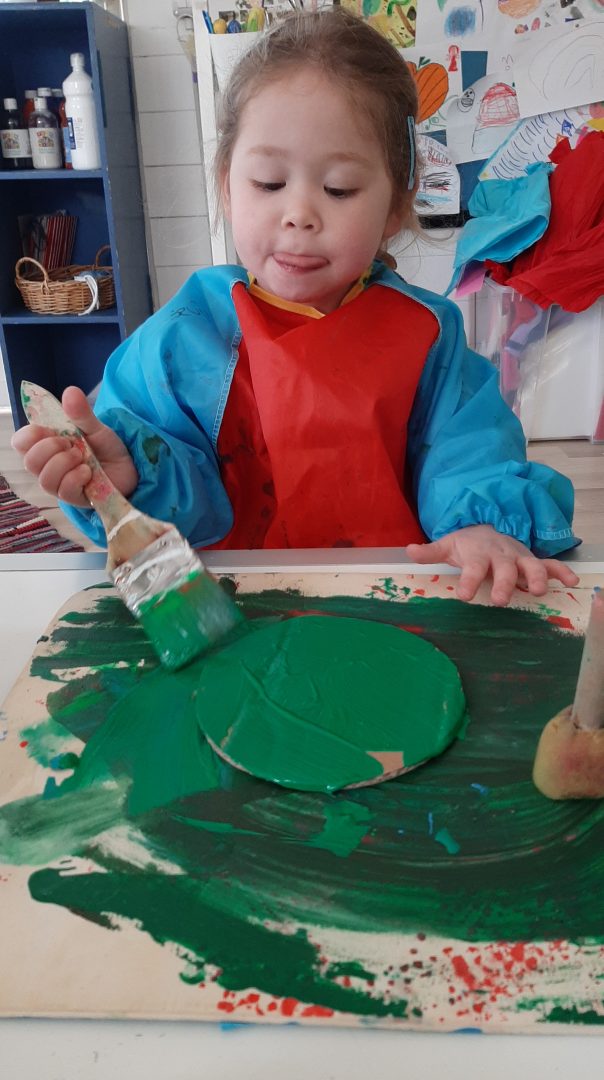
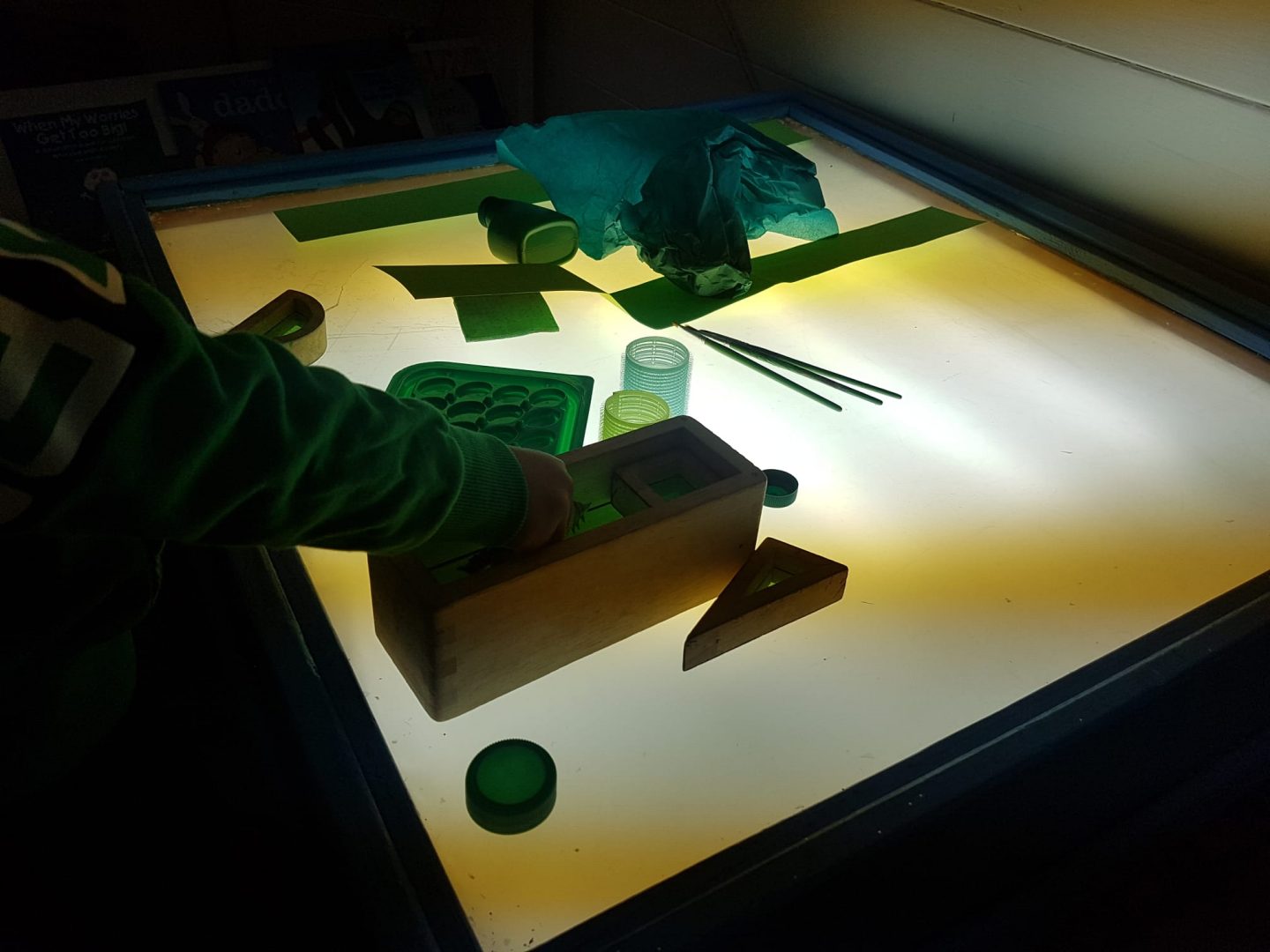
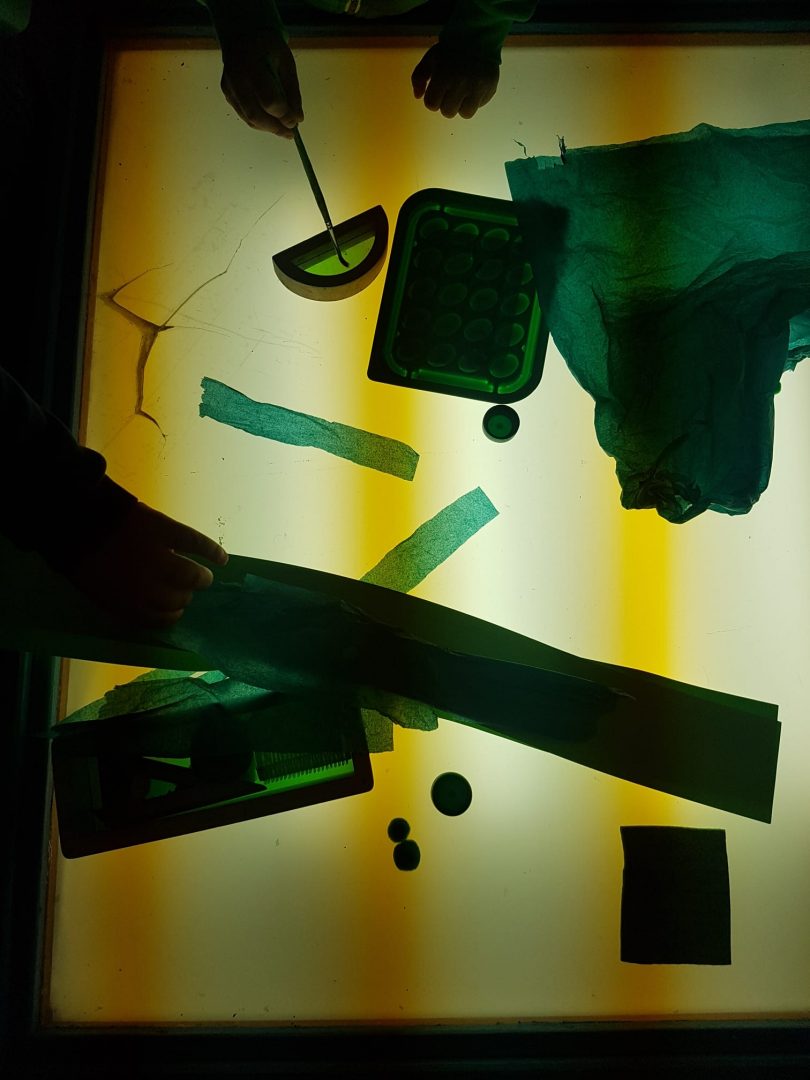
“What is green?”
“é il verde…”Elena
“A leaf” Gabriel
Green …
By Preschool blue & yellow..

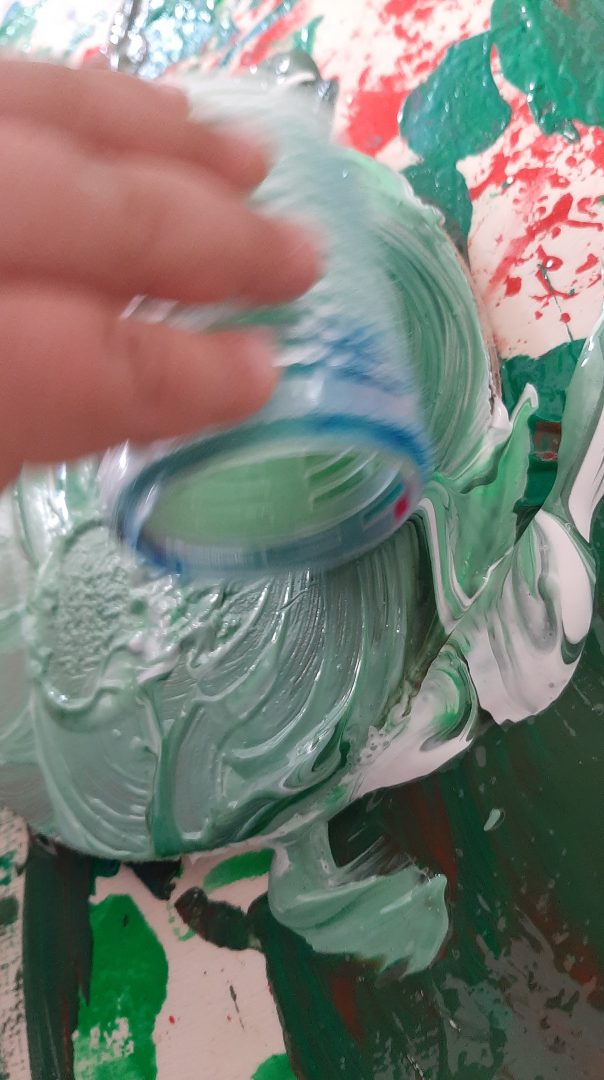






HELLO SPRING …
“Flowers“.. EYFS