WINTER, ICE AND DARK NIGHTS …
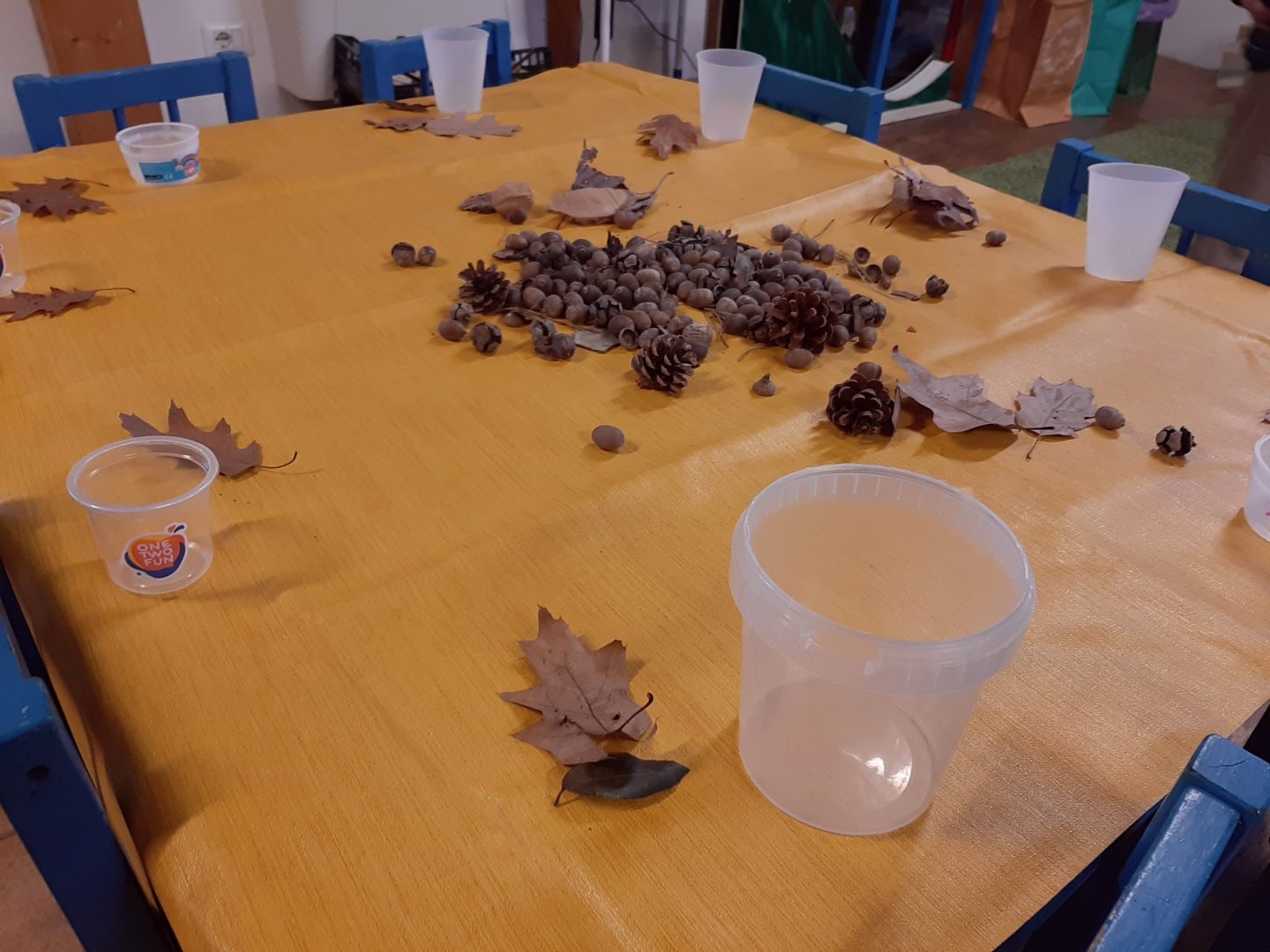
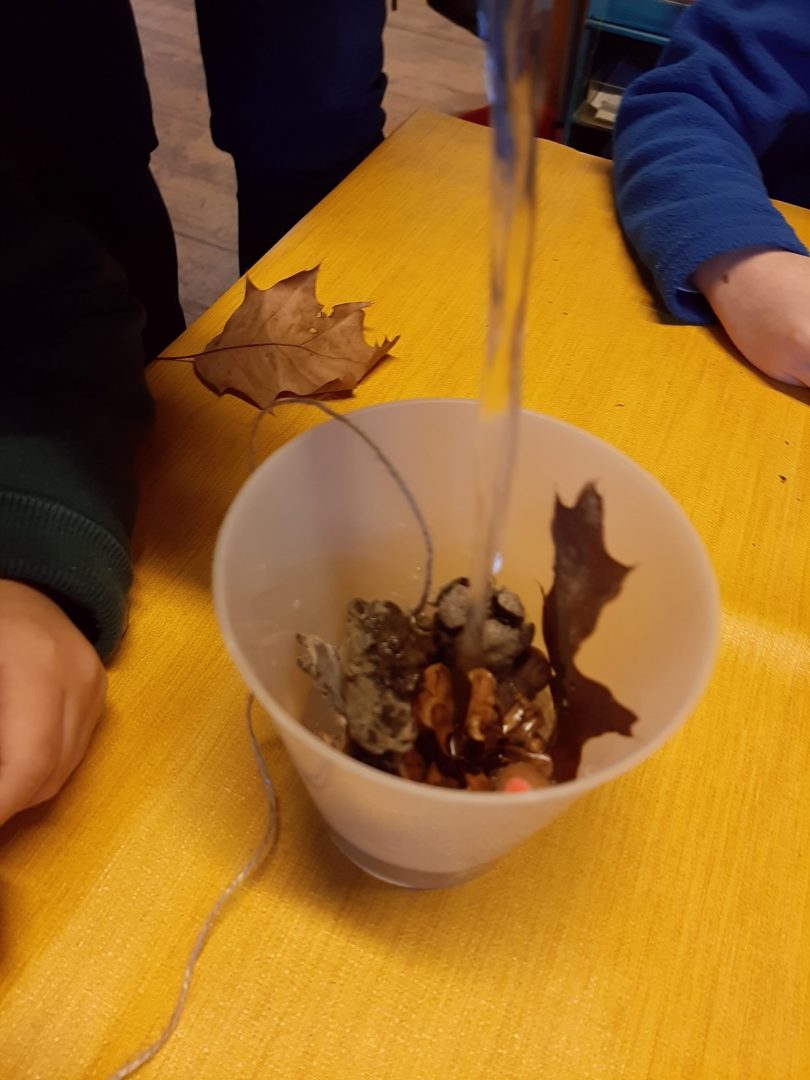
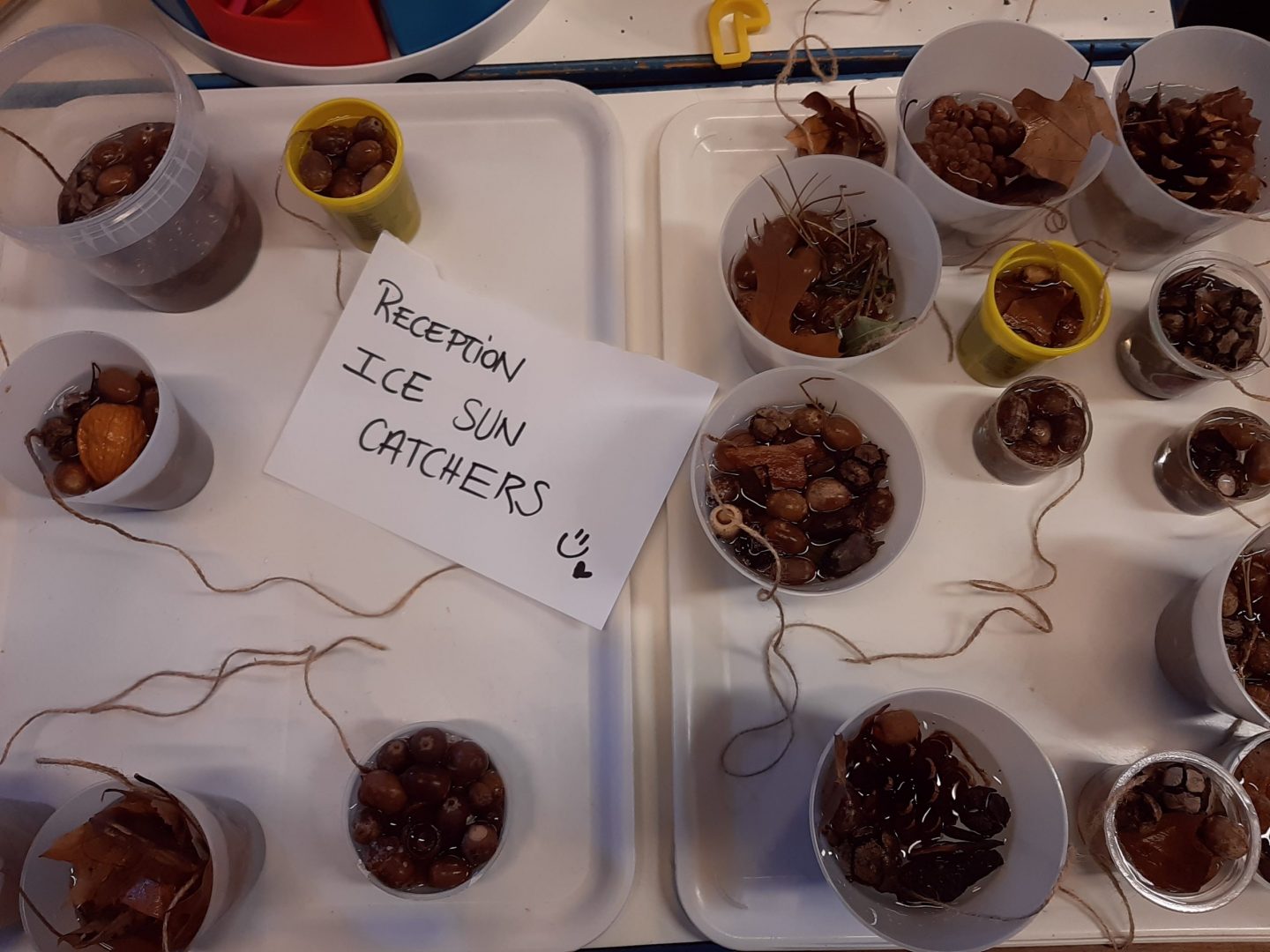
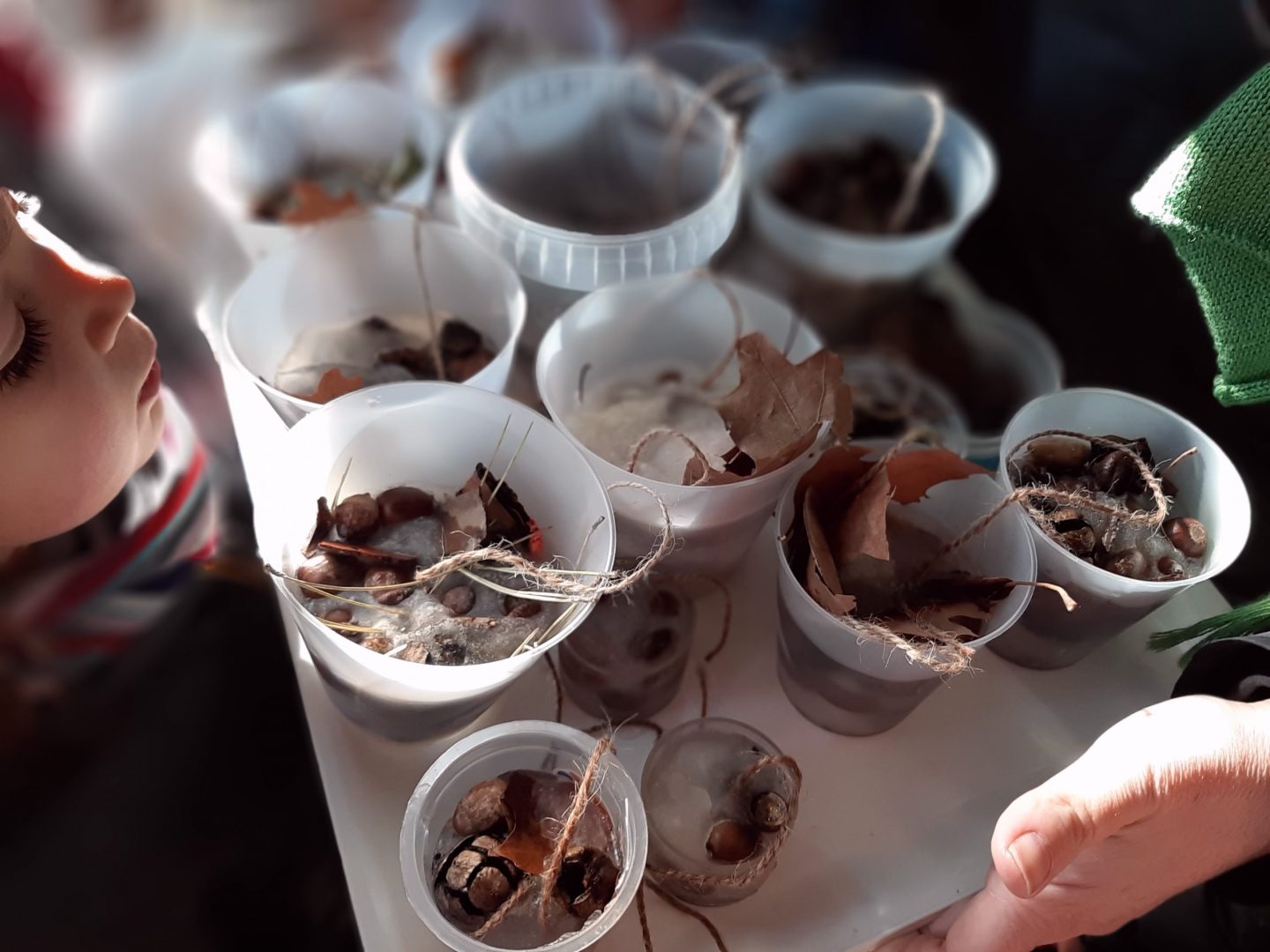
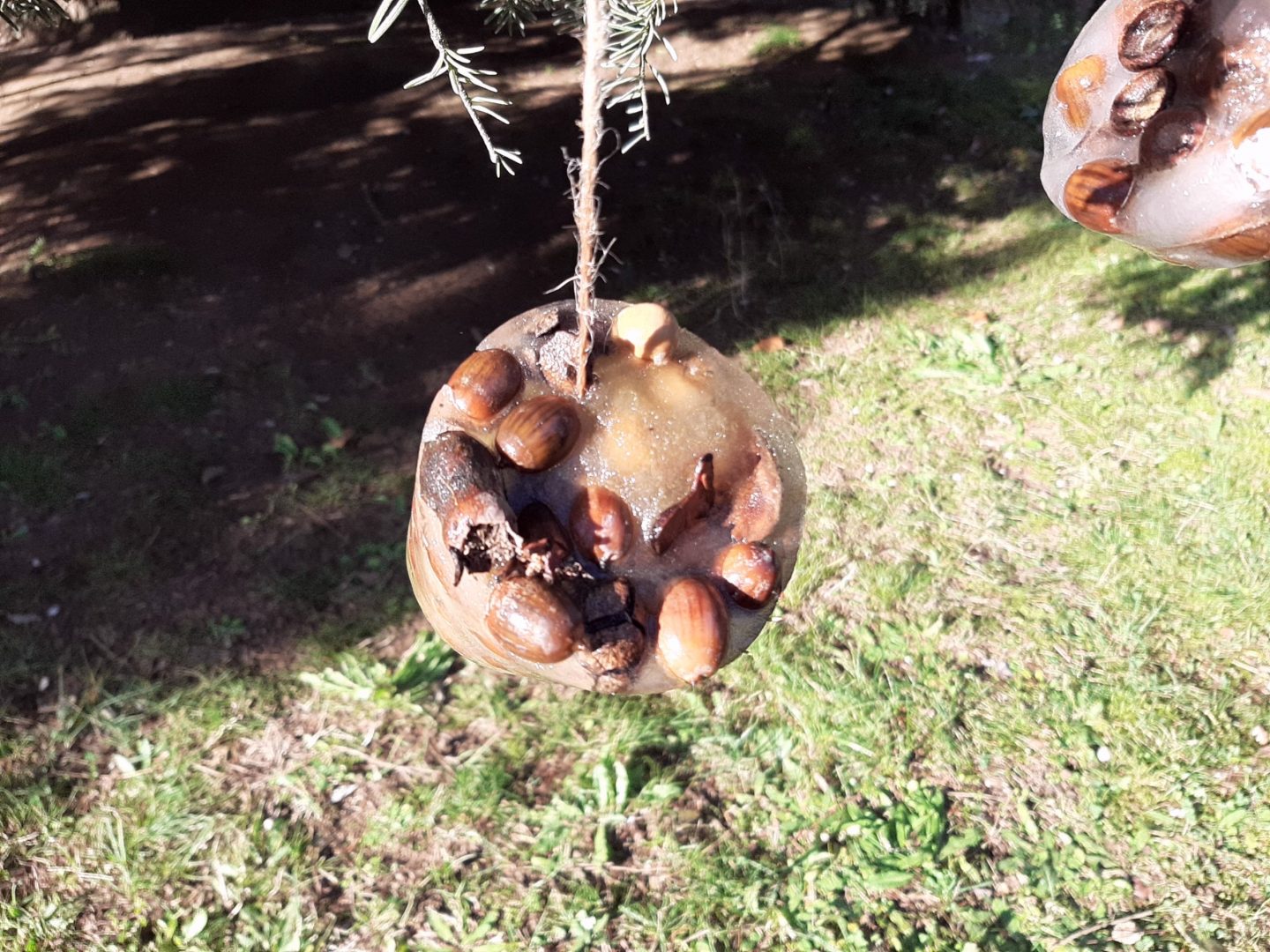
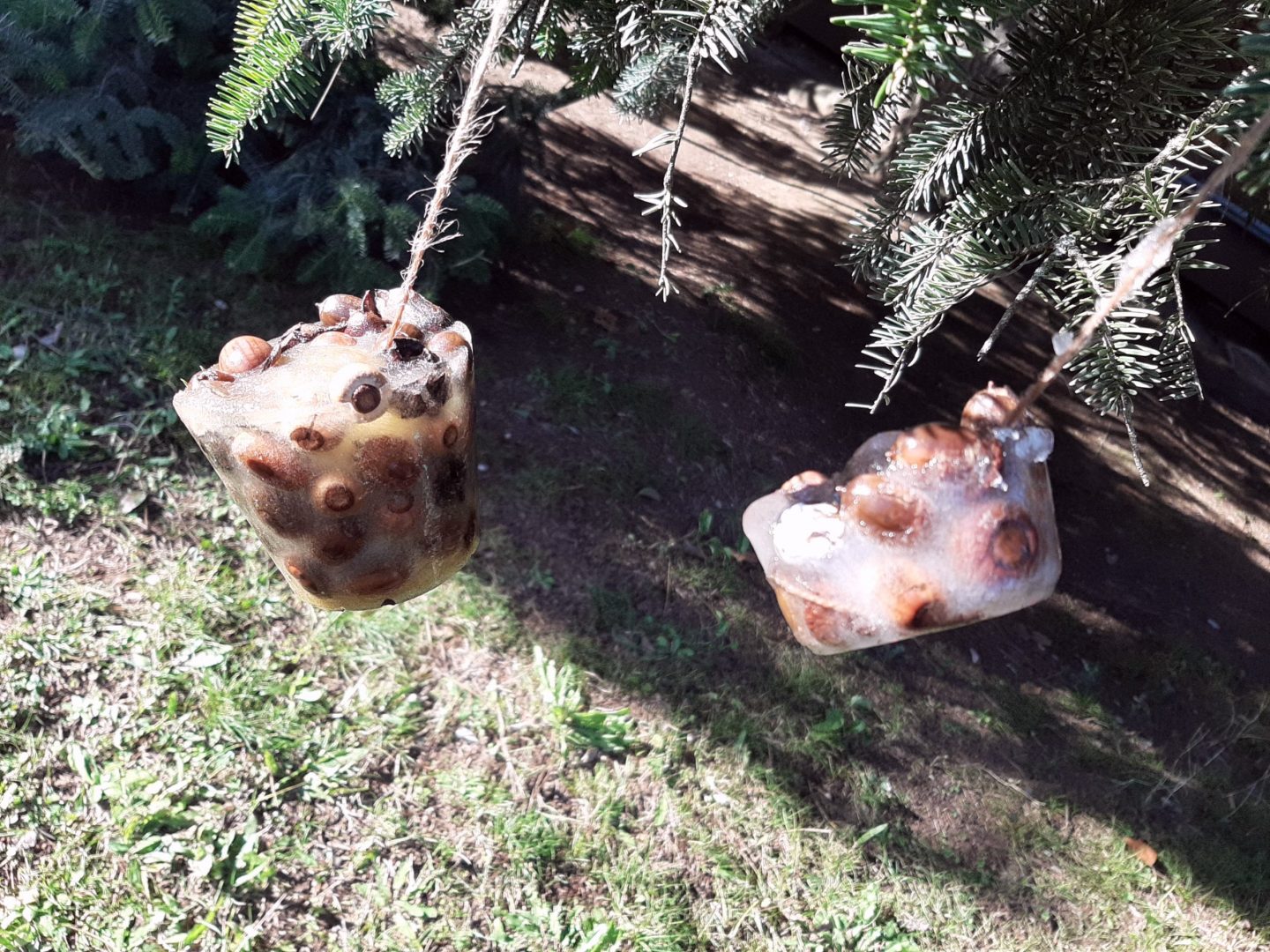
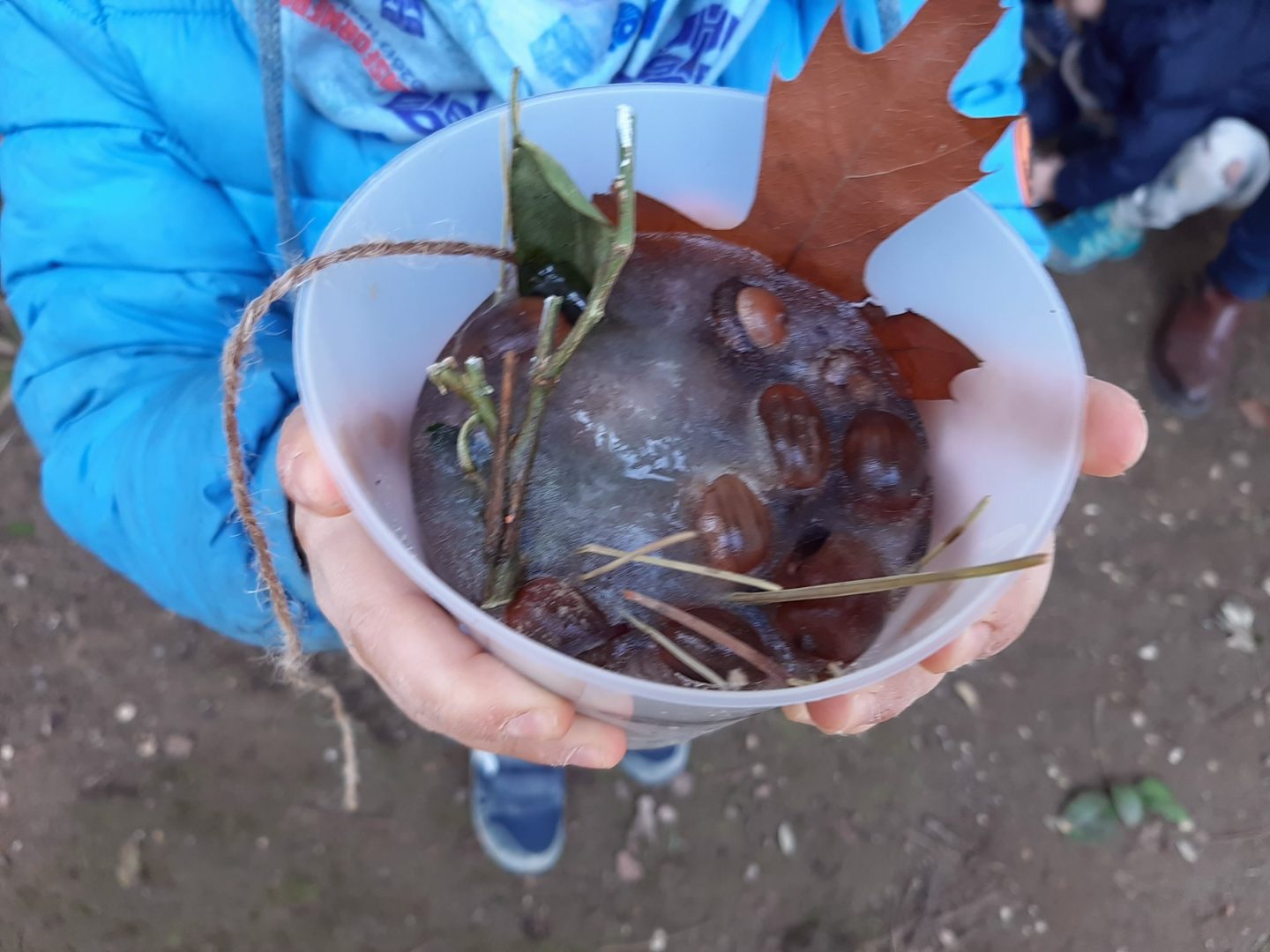
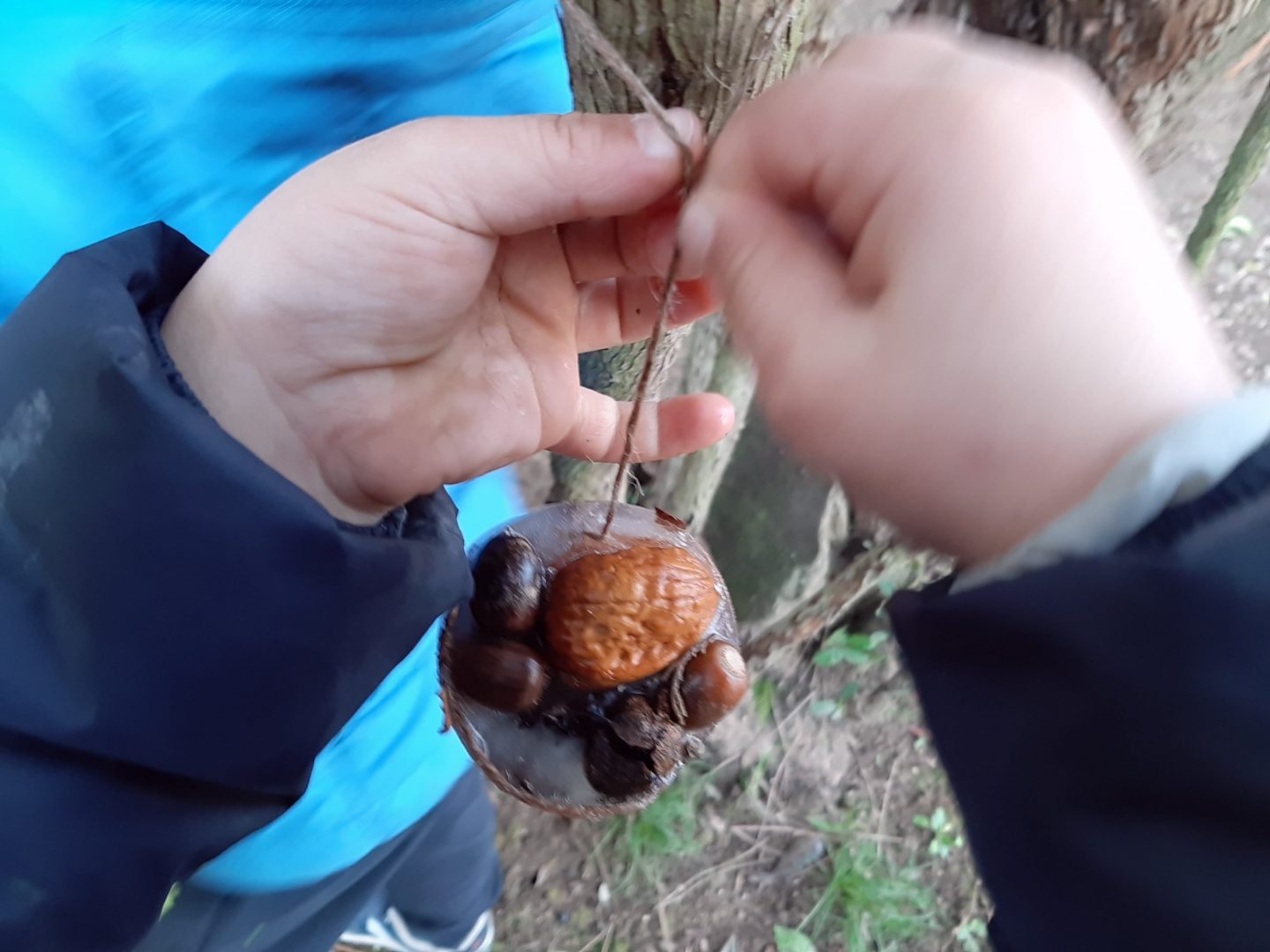
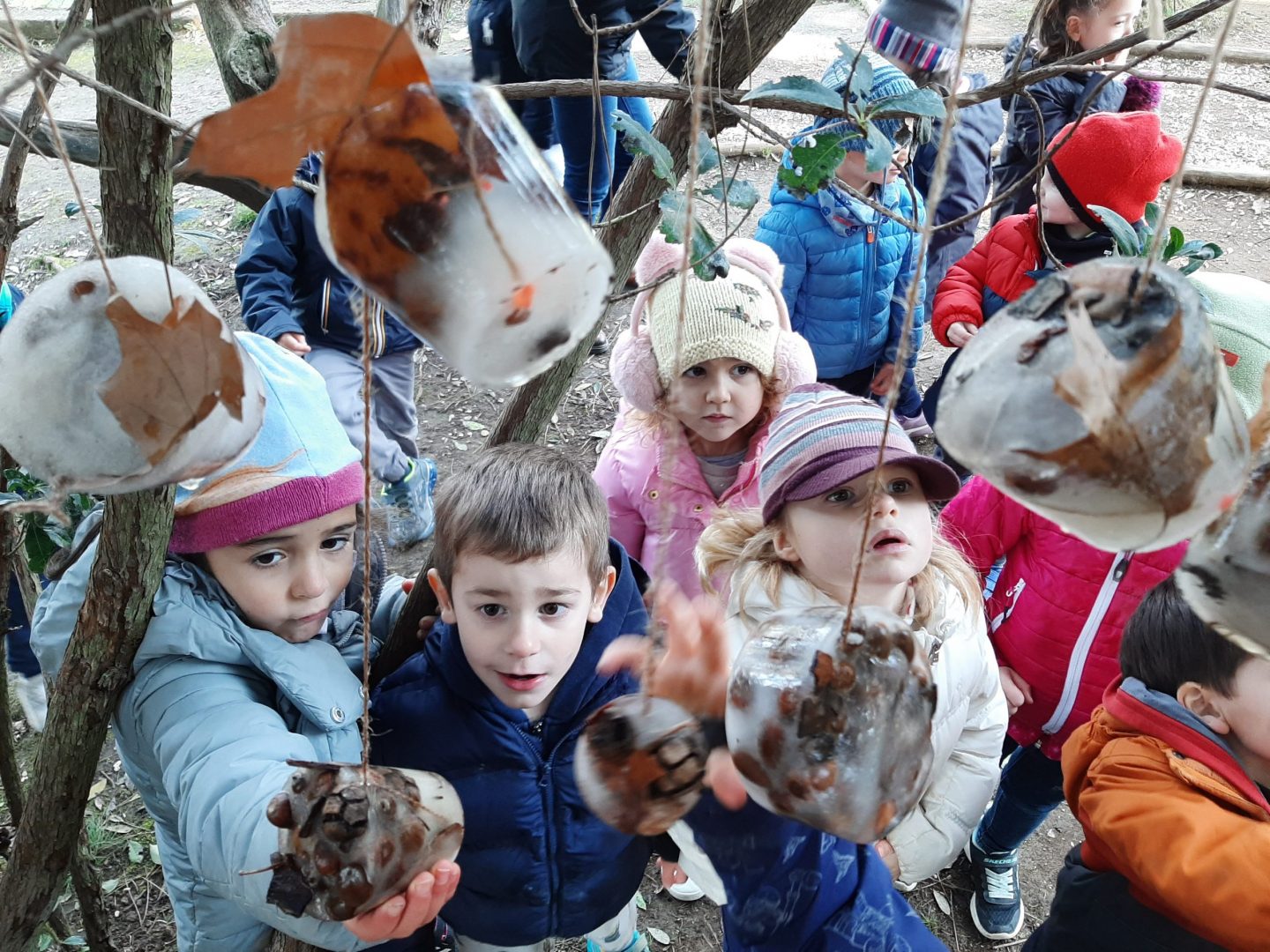
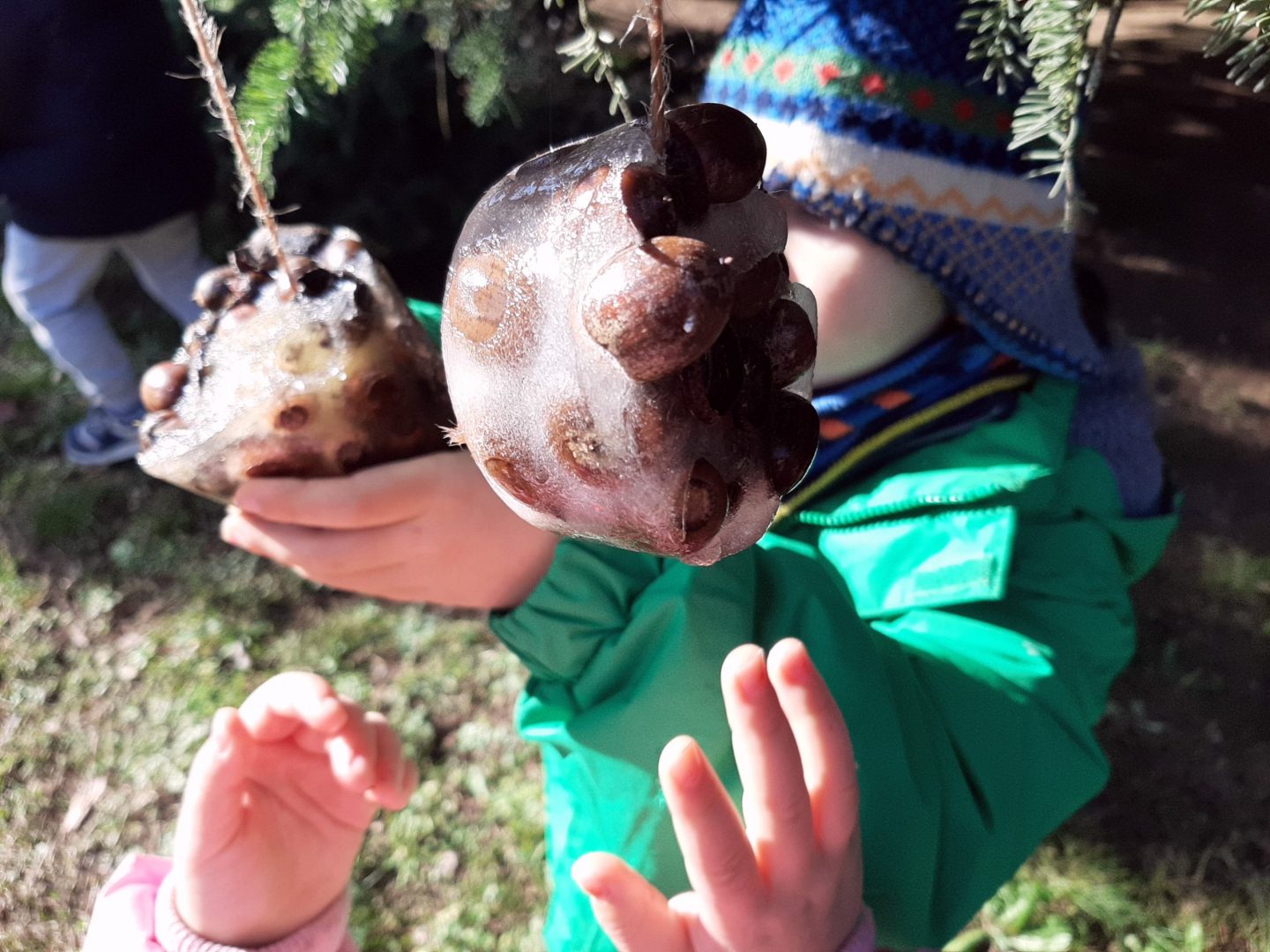
Ice Sun Catchers … watch them freeze.. watch them melt…
















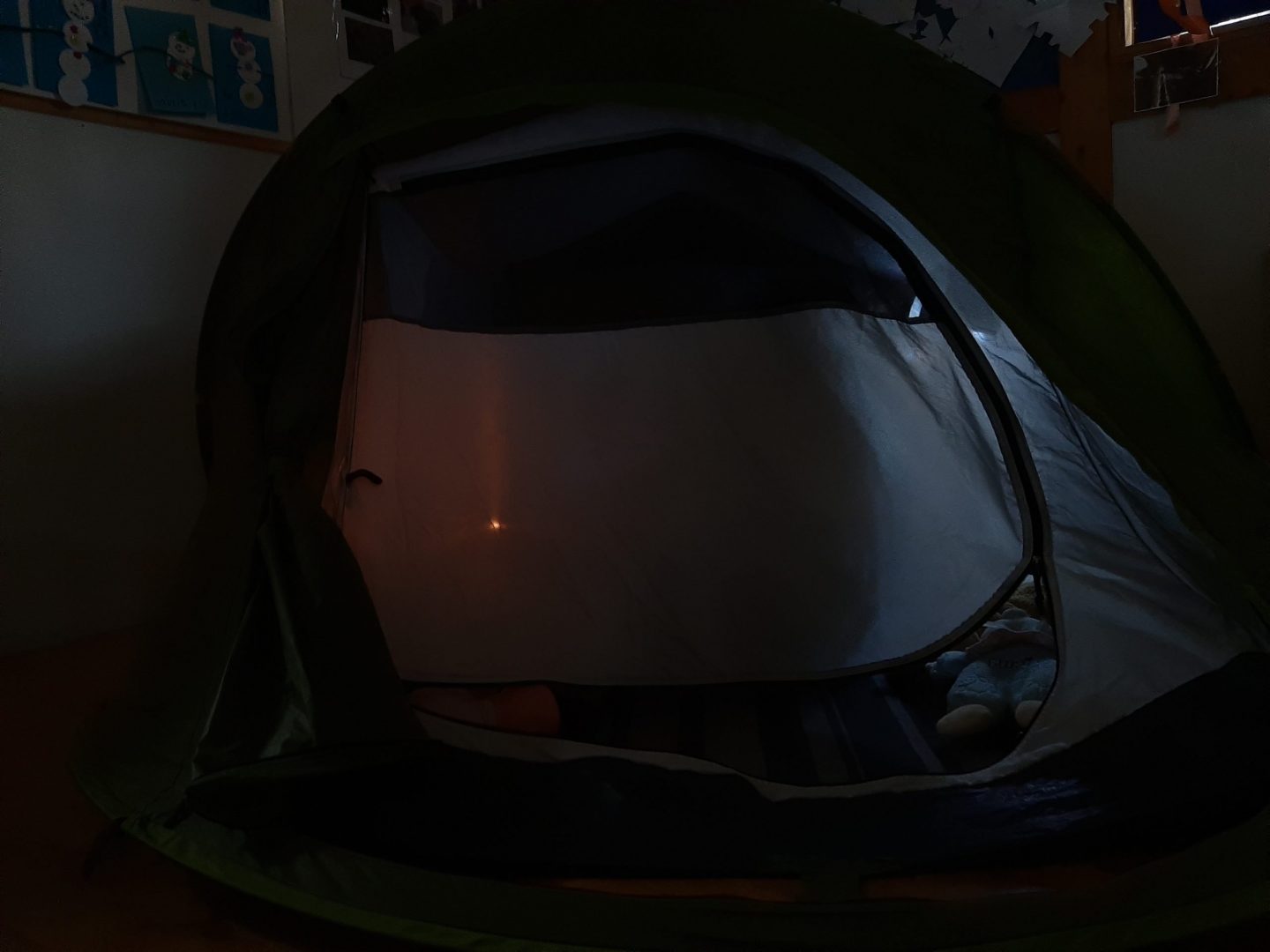
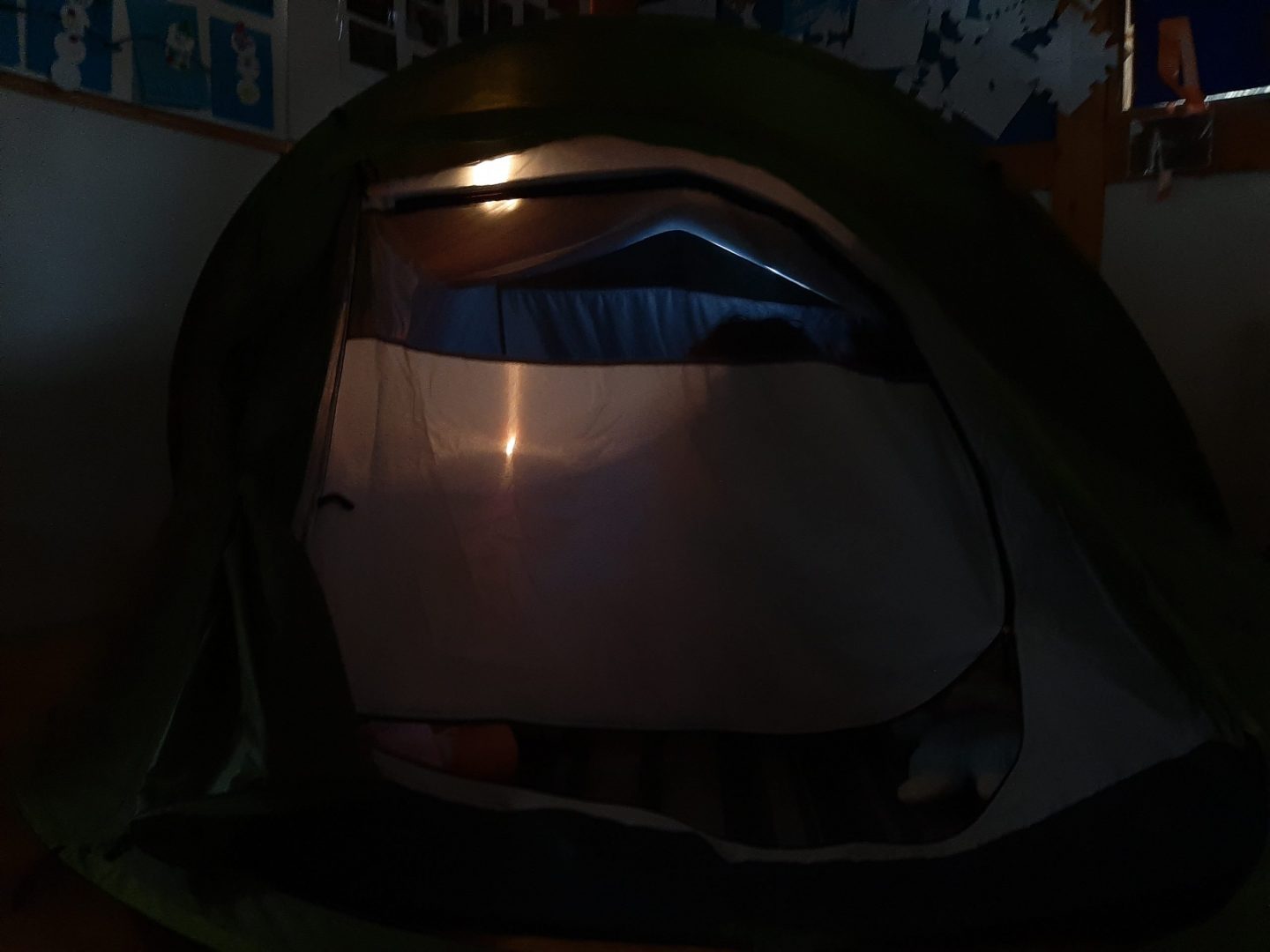
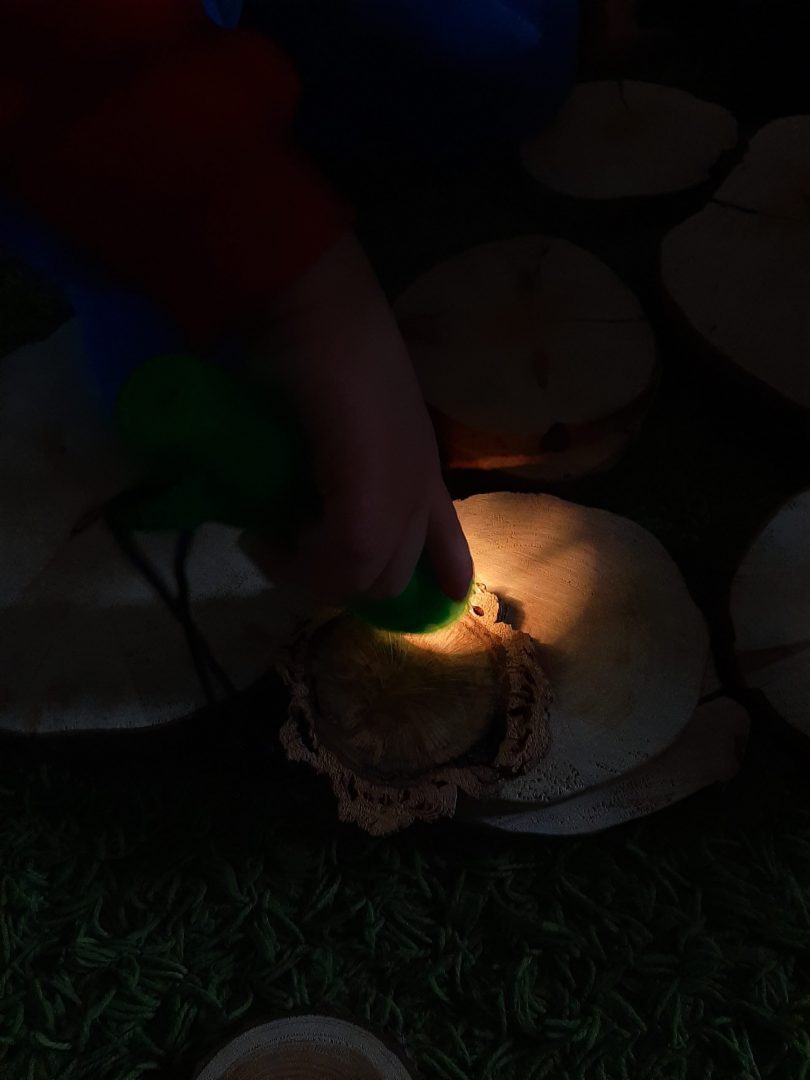
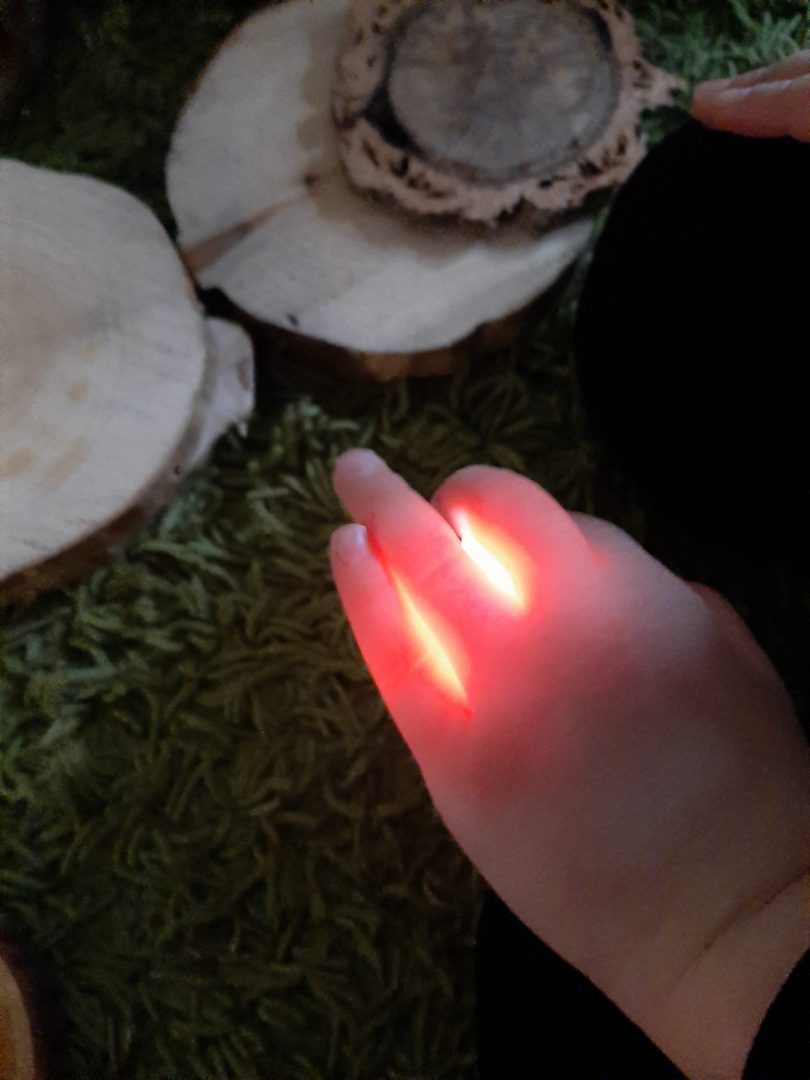
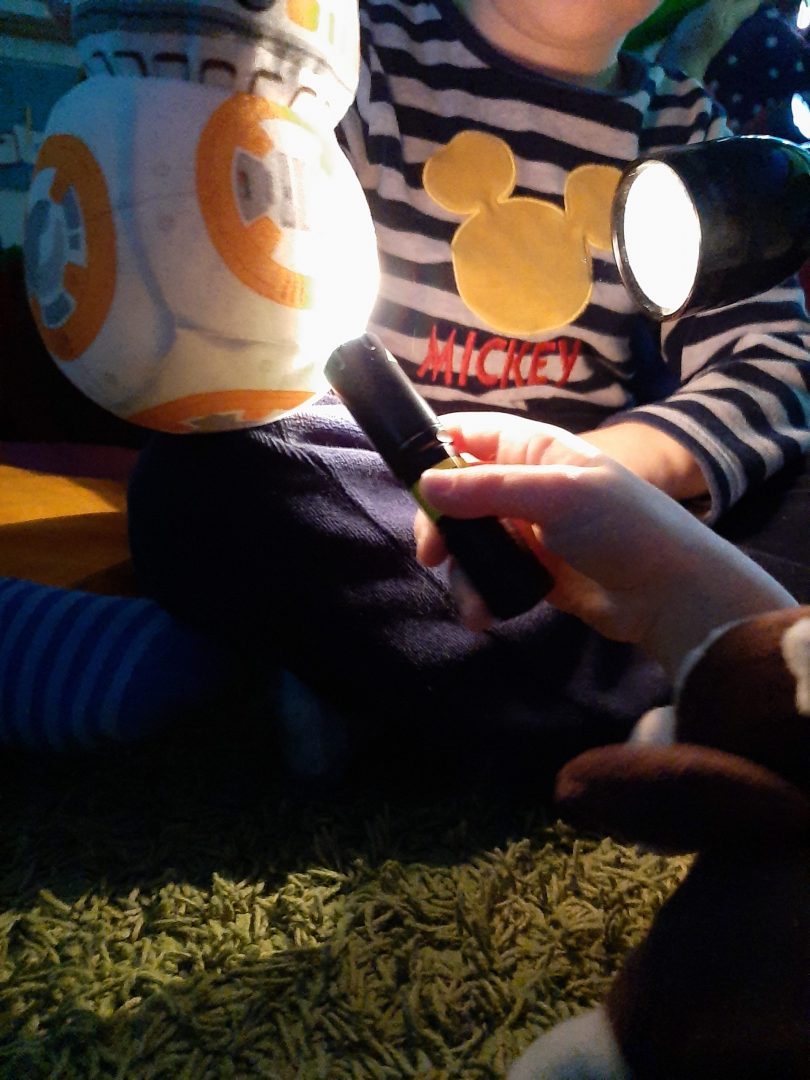
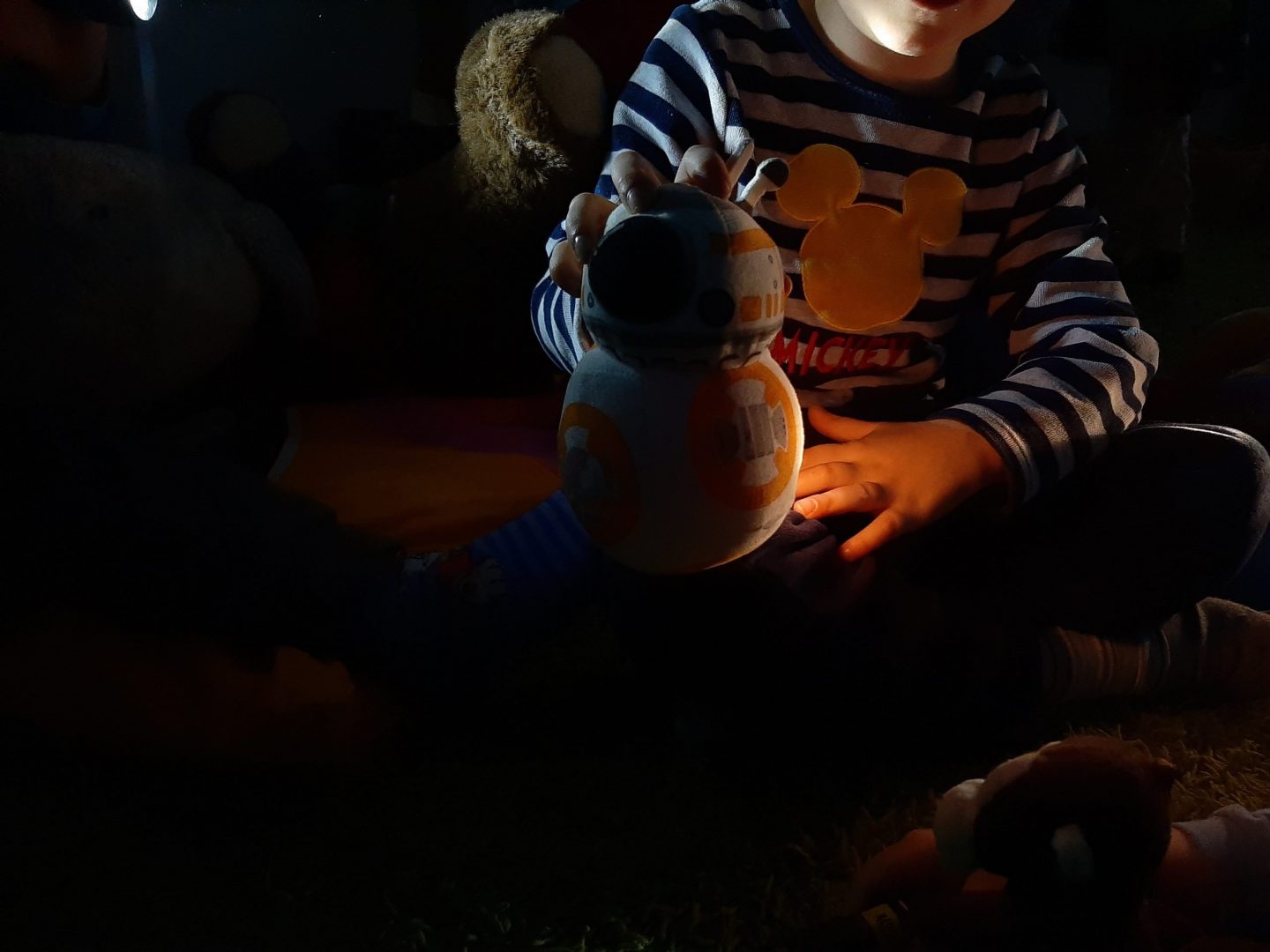
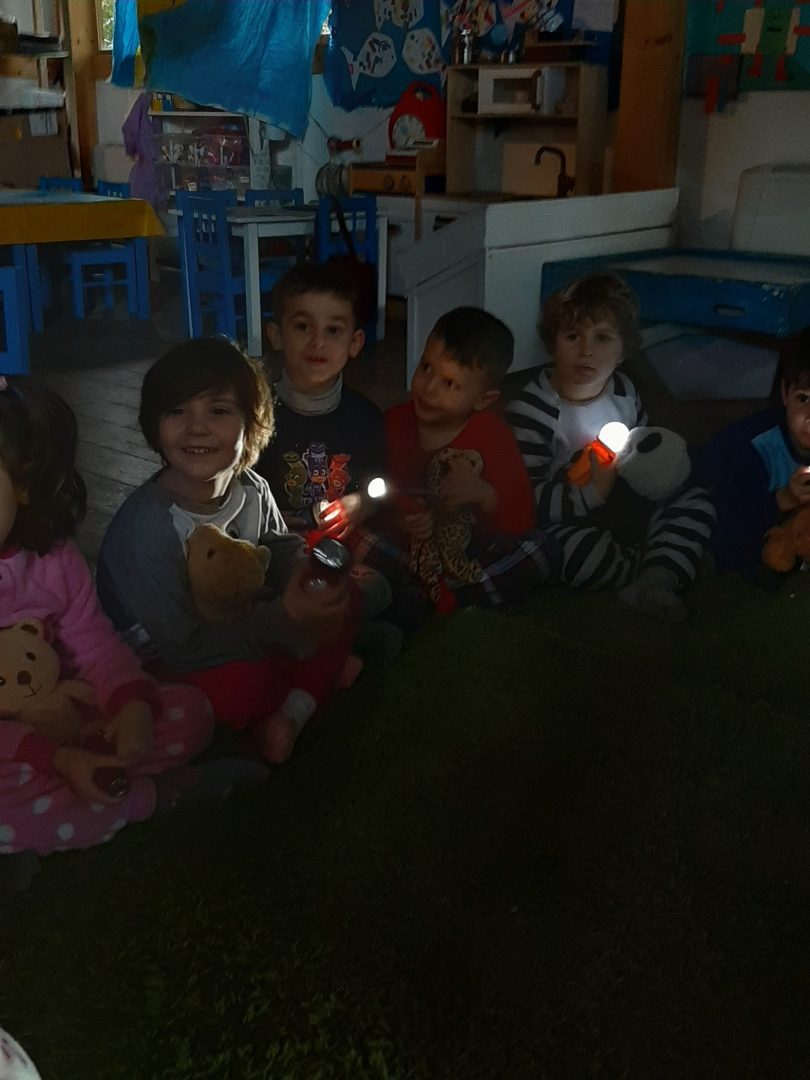
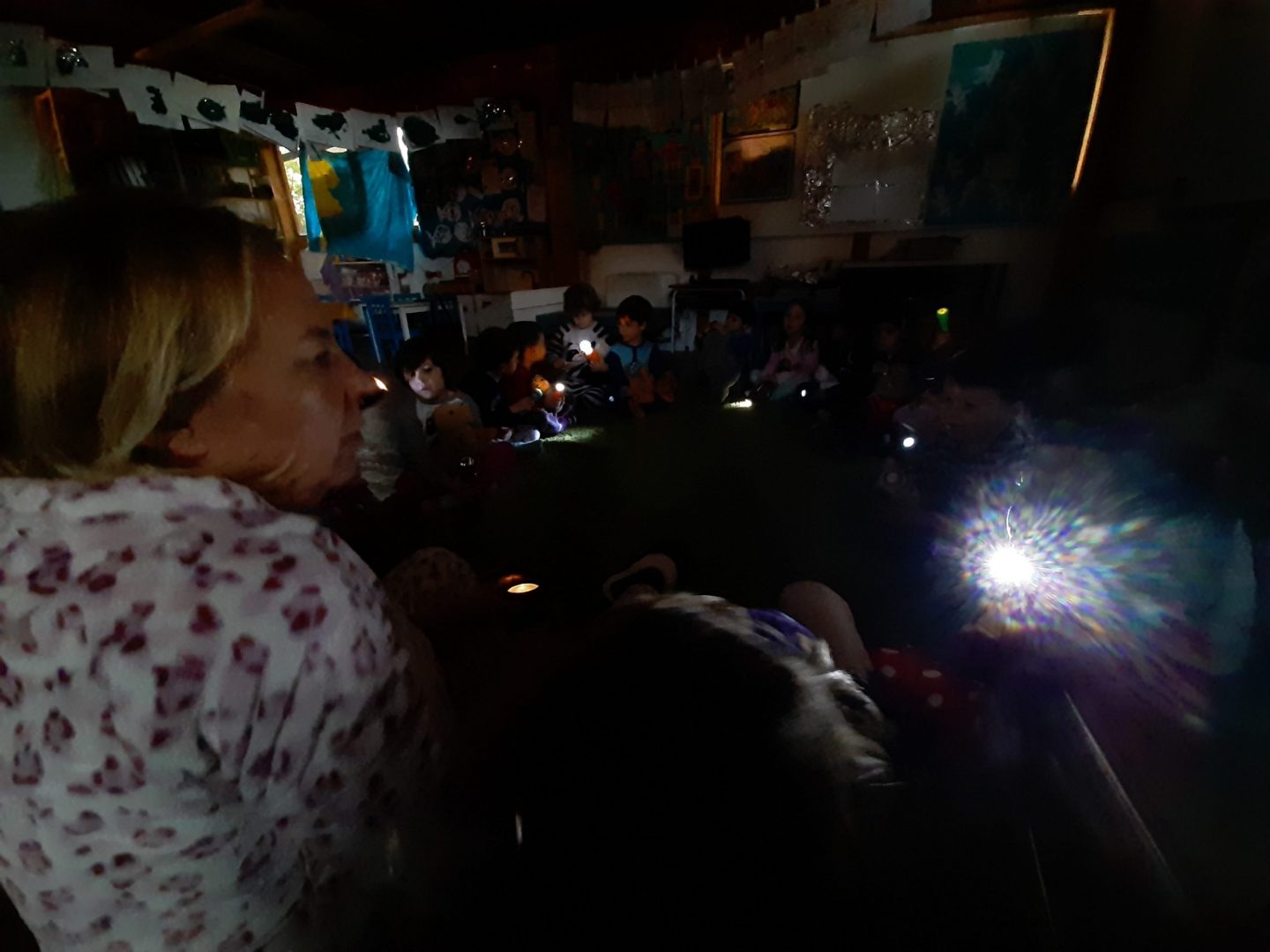
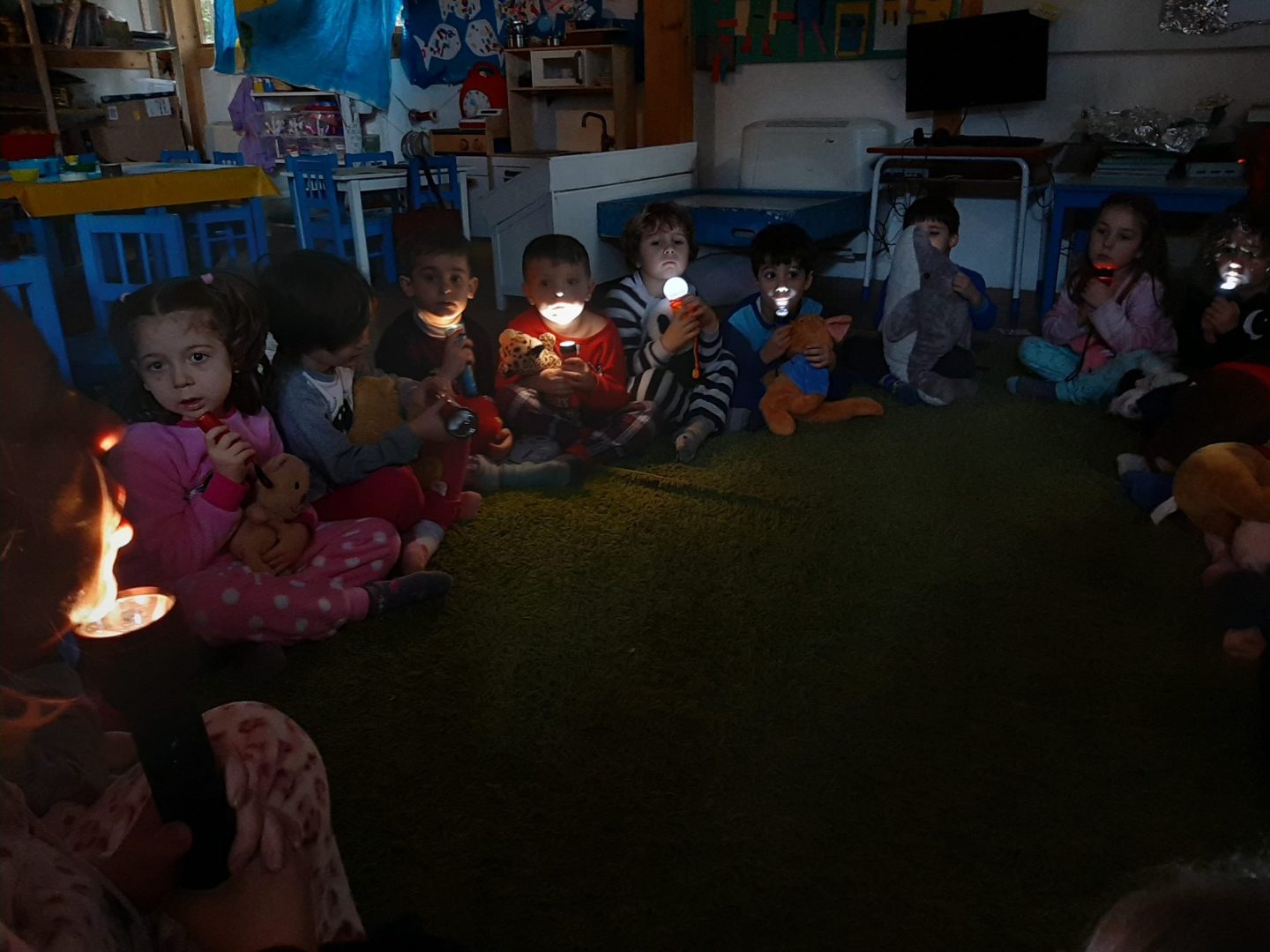
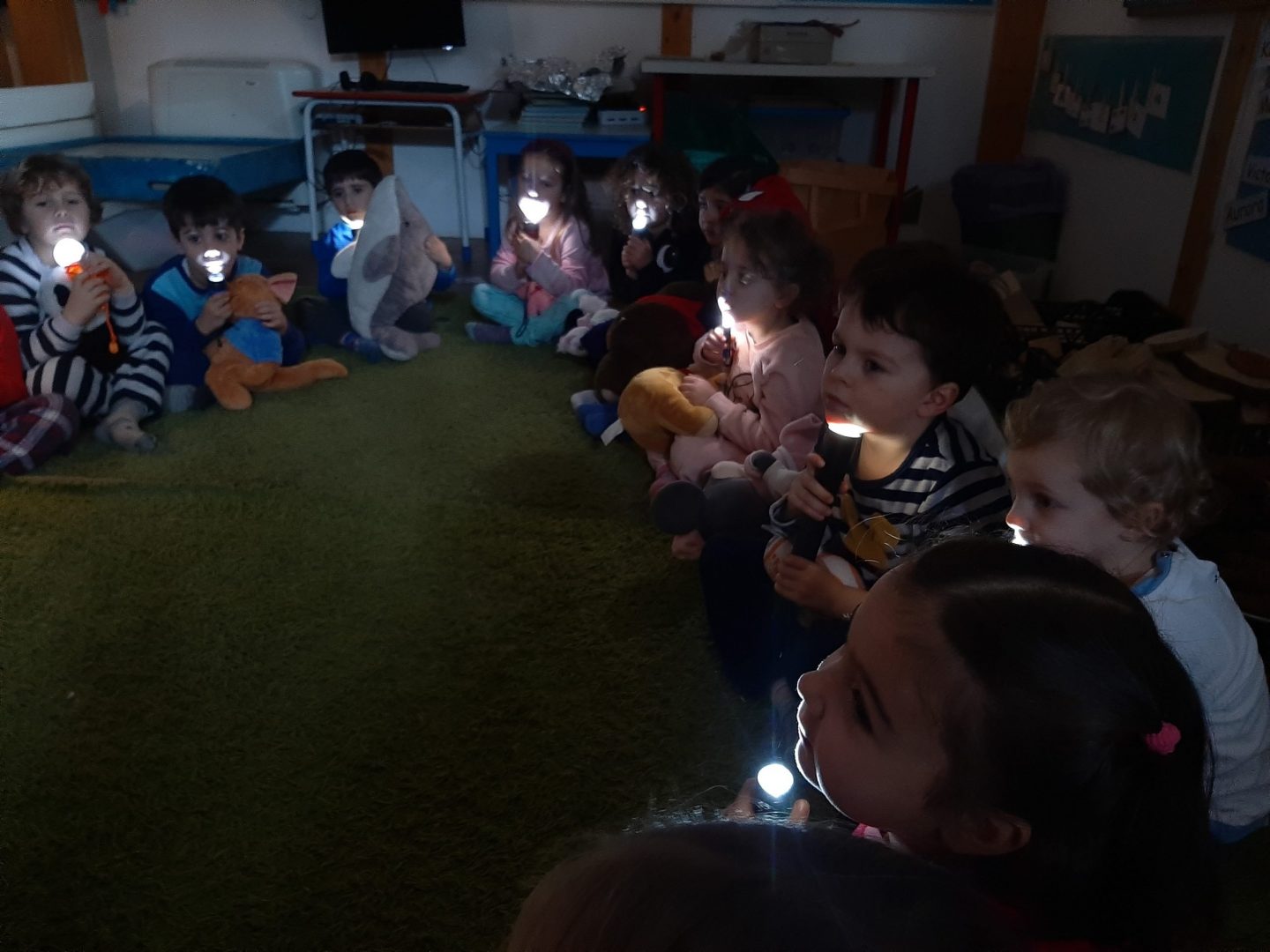
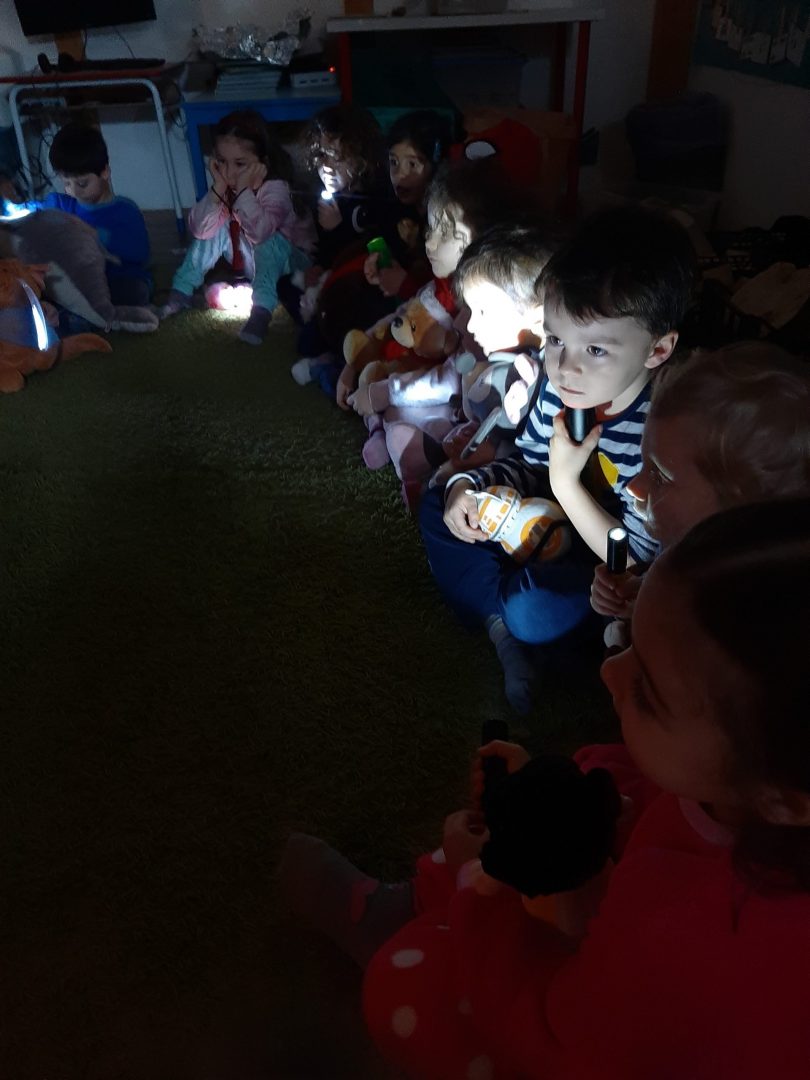
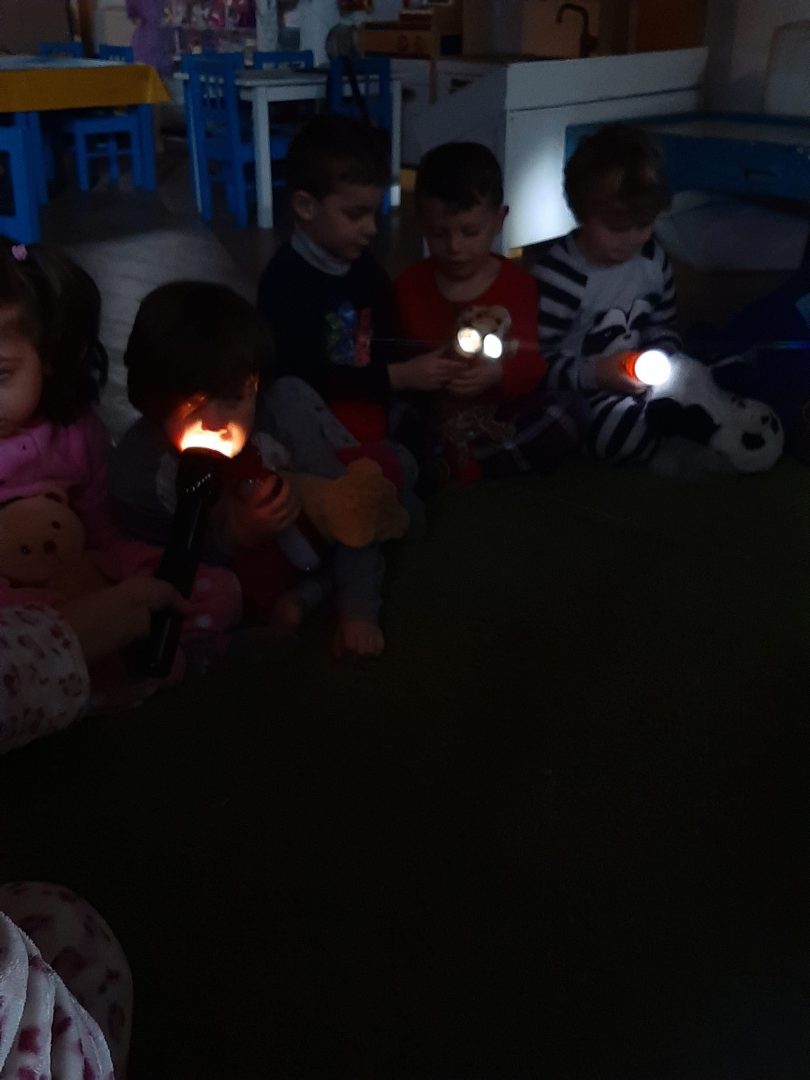
DARK NIGHTS …
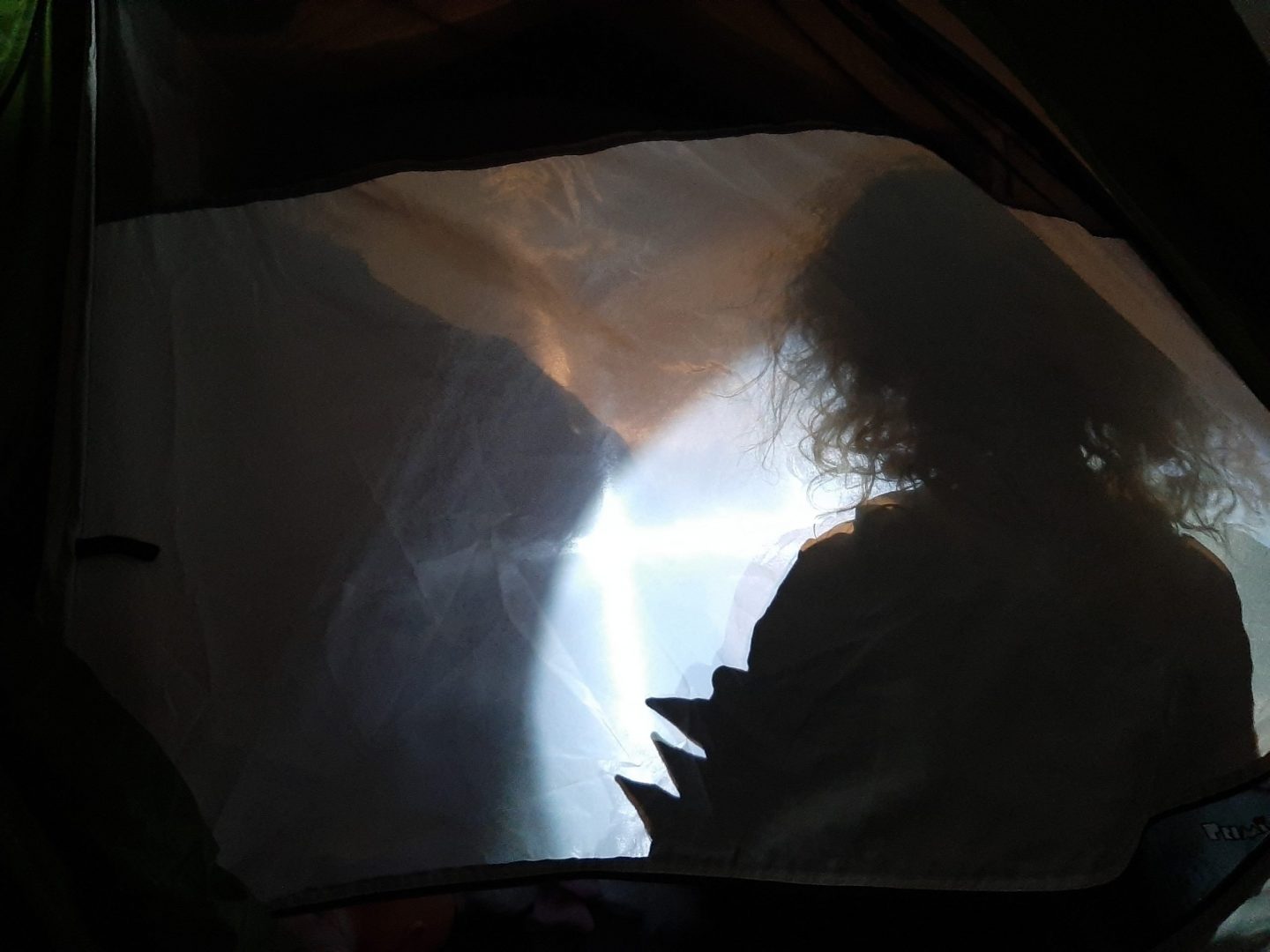
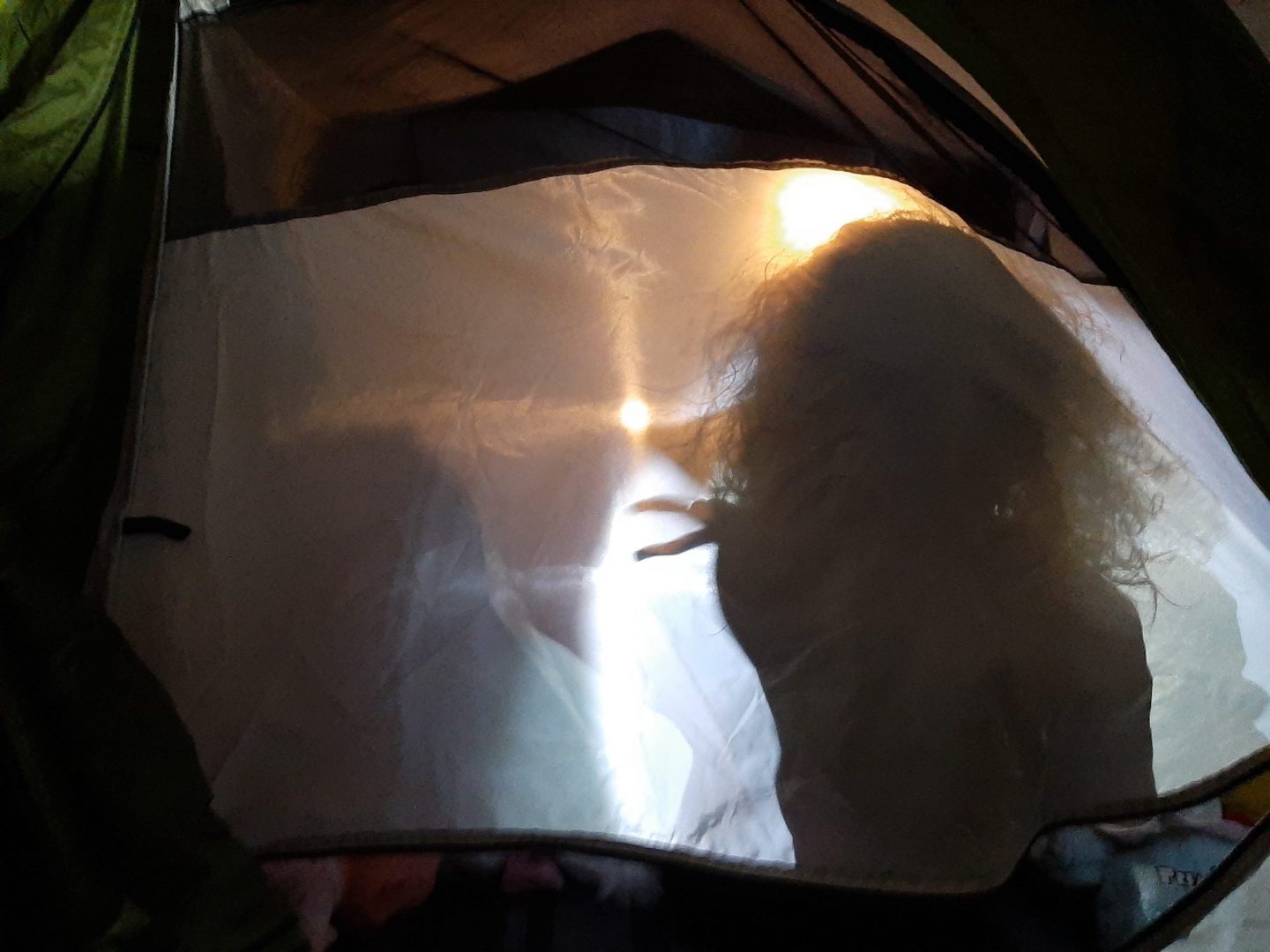
“In Light there is Dark, and in Dark there is Light.”









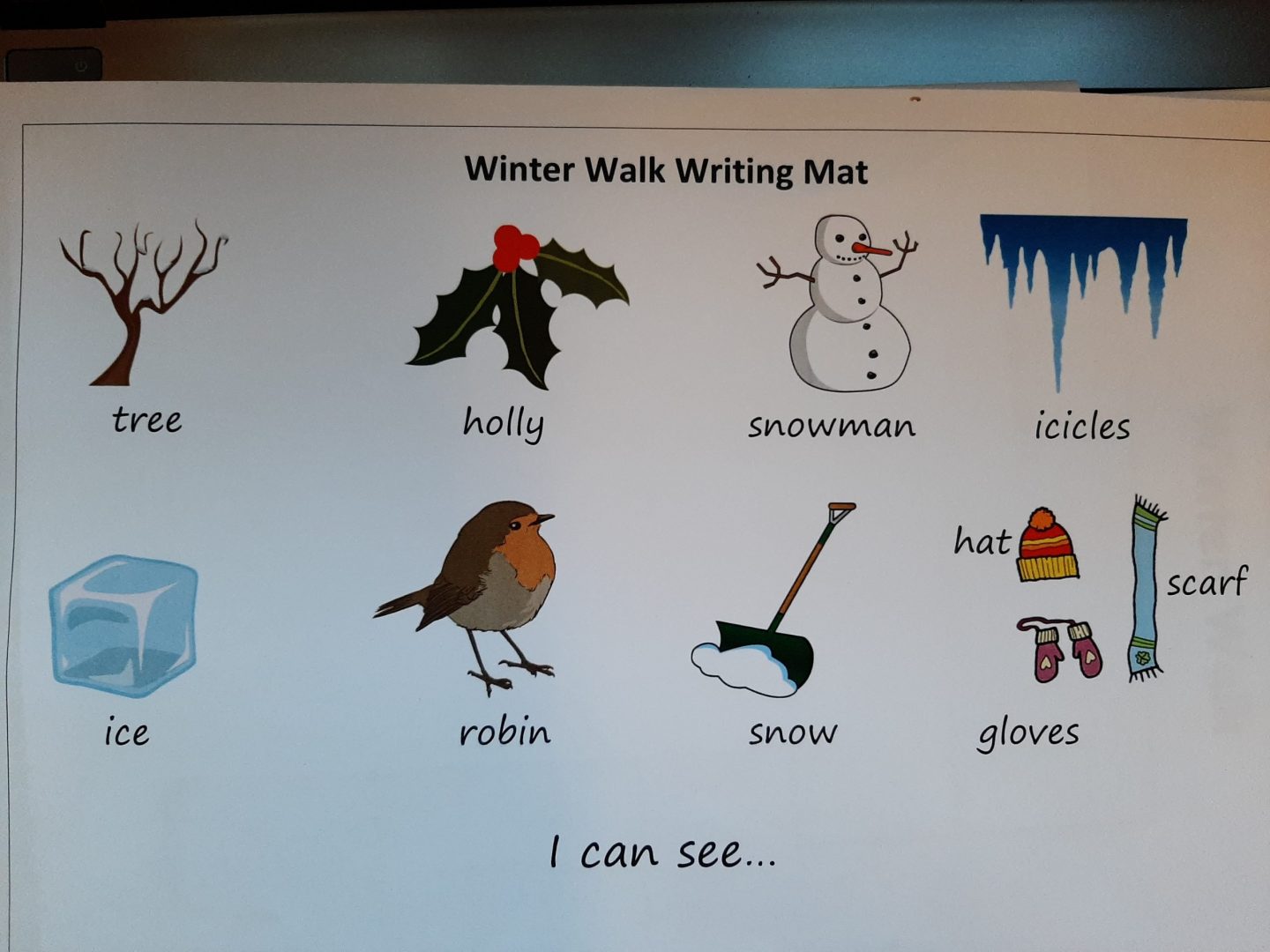
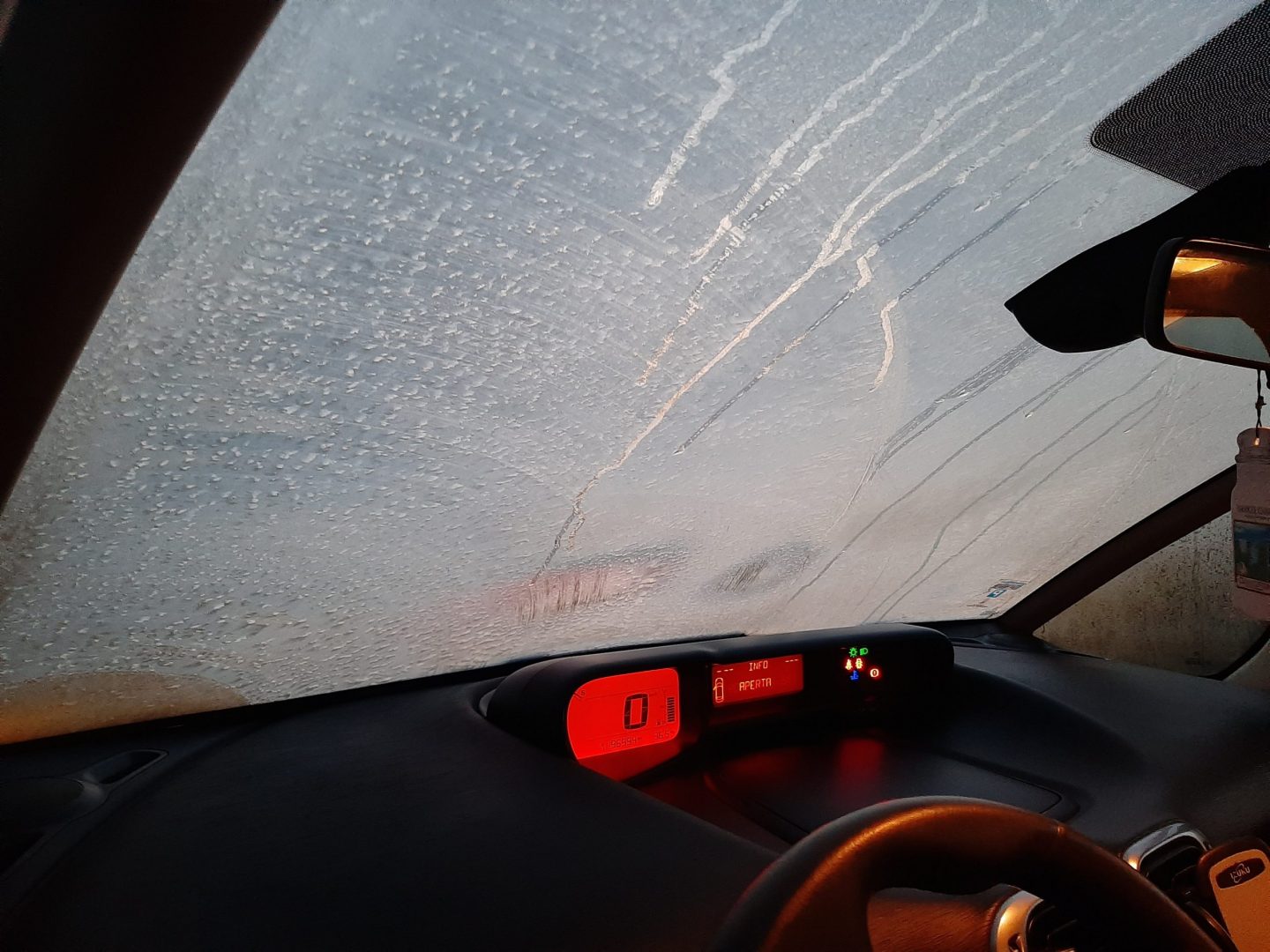
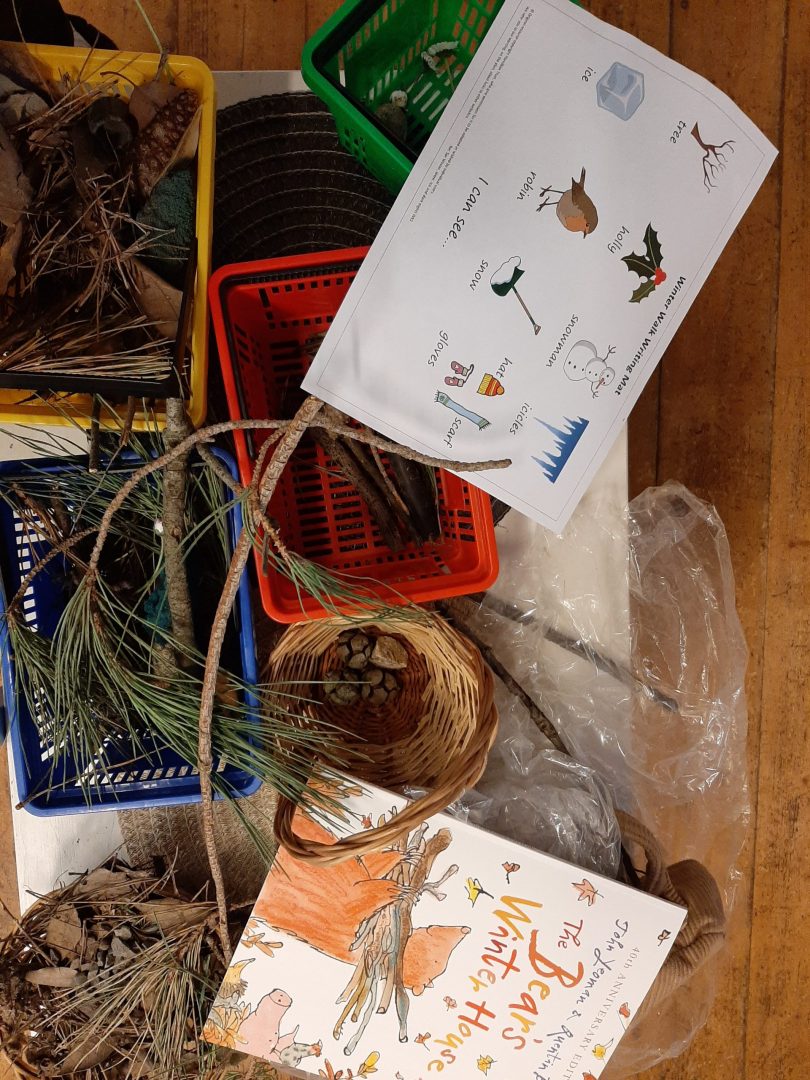
Winter Walk ,What can we find ?…
During the spring and summer, children become familiar with bright green foliage, flowers in bloom, and a warm climate. As the change in season, they come to see different characteristics in their environment, such as brown grass, fallen leaves, and ice.Most adults associate winter with getting colds and illnesses such as the flu. However, it is not exposure to the cold that cause these viruses. In fact, it’s likely to be increased exposure to poorly ventilated indoor environments, where bacteria and viruses live. By encouraging outdoor play in winter, children gain much needed exposure to fresh air and Vitamin D, while avoiding bacteria.Playing outside in autumn, winter, and early spring, each present their own unique opportunities for exploration and learning. Therefore, outdoor play should be embraced in all types of weather, as it is crucial for children’s ongoing development.. 🙂


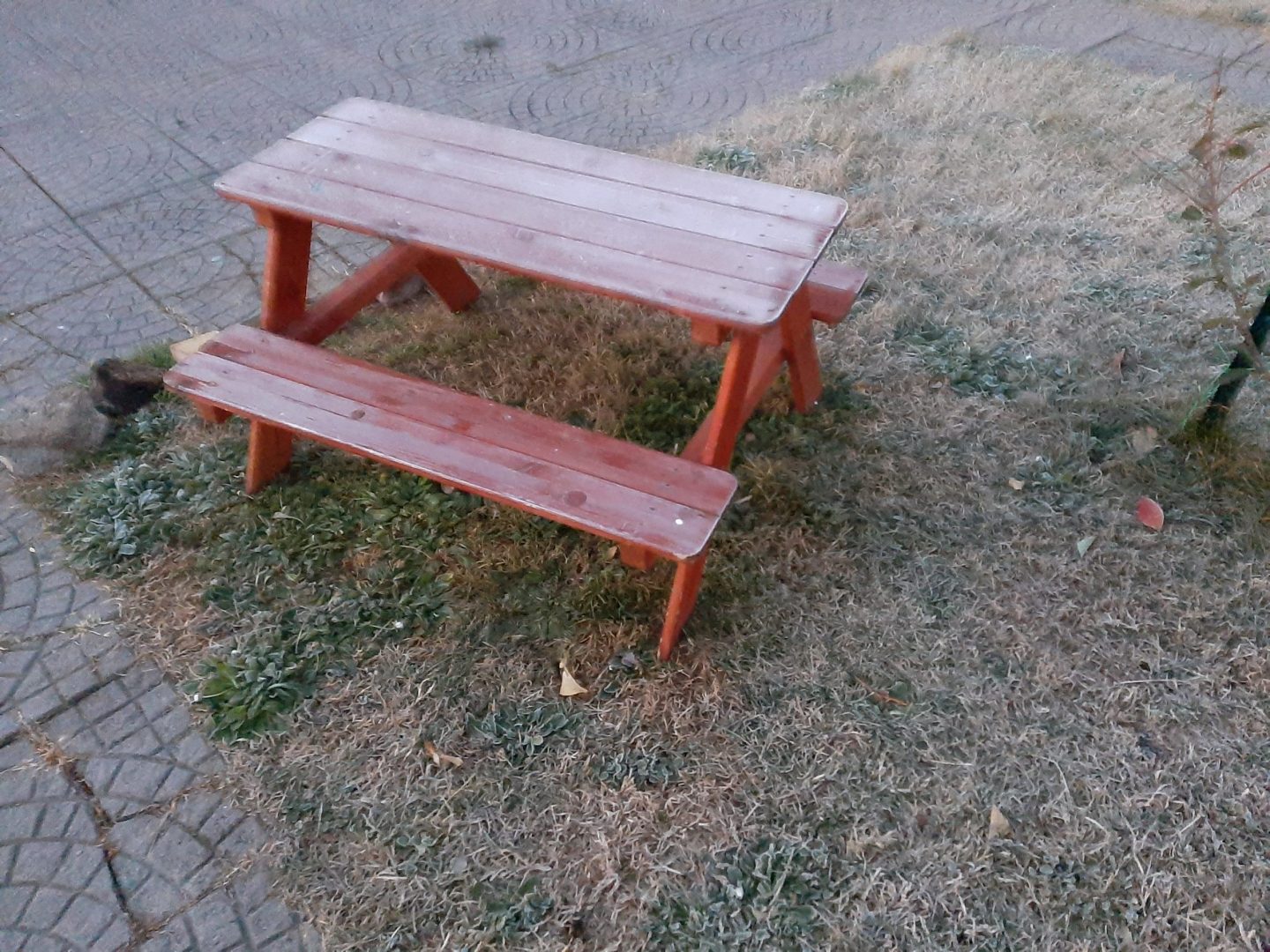


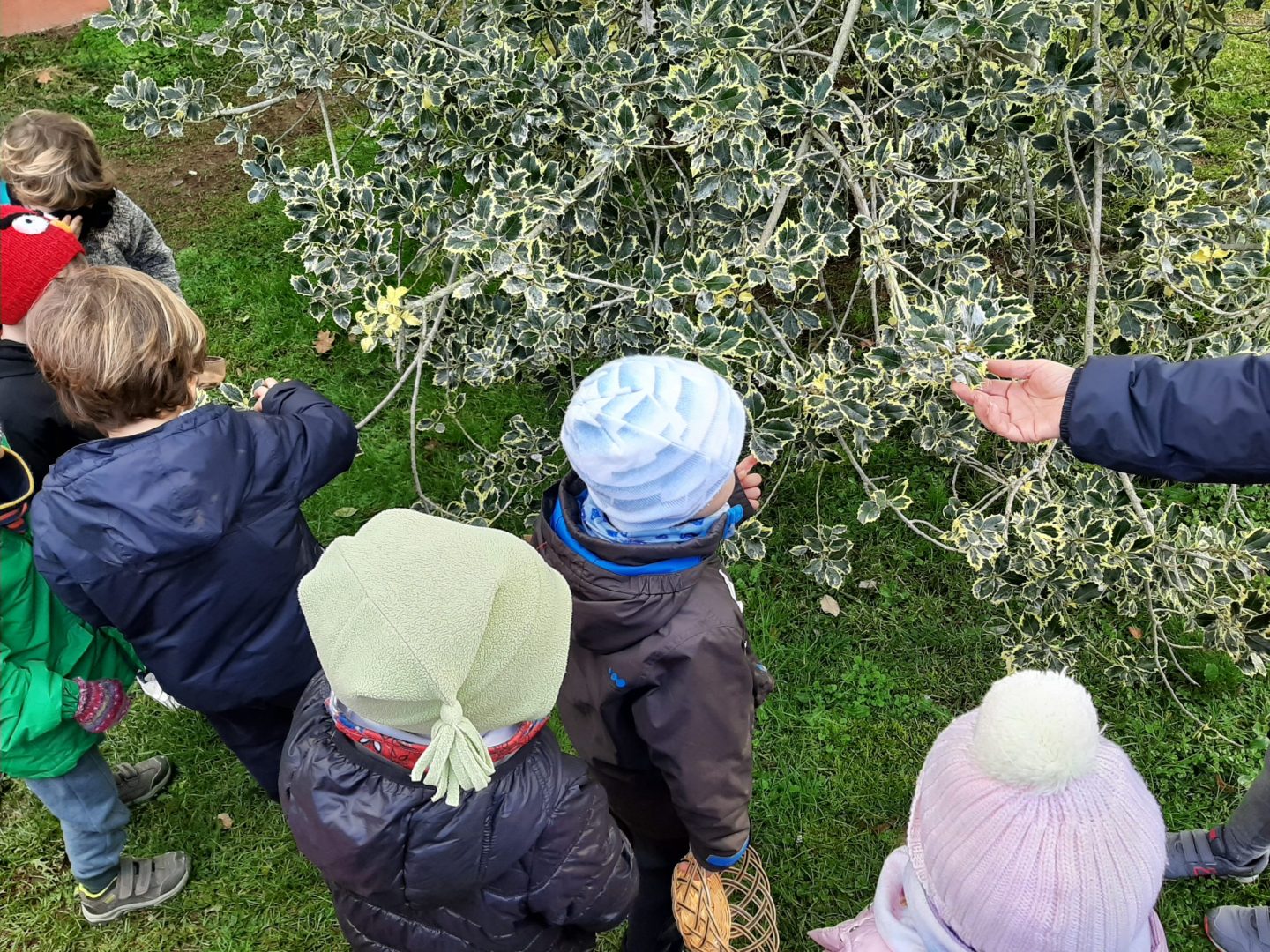


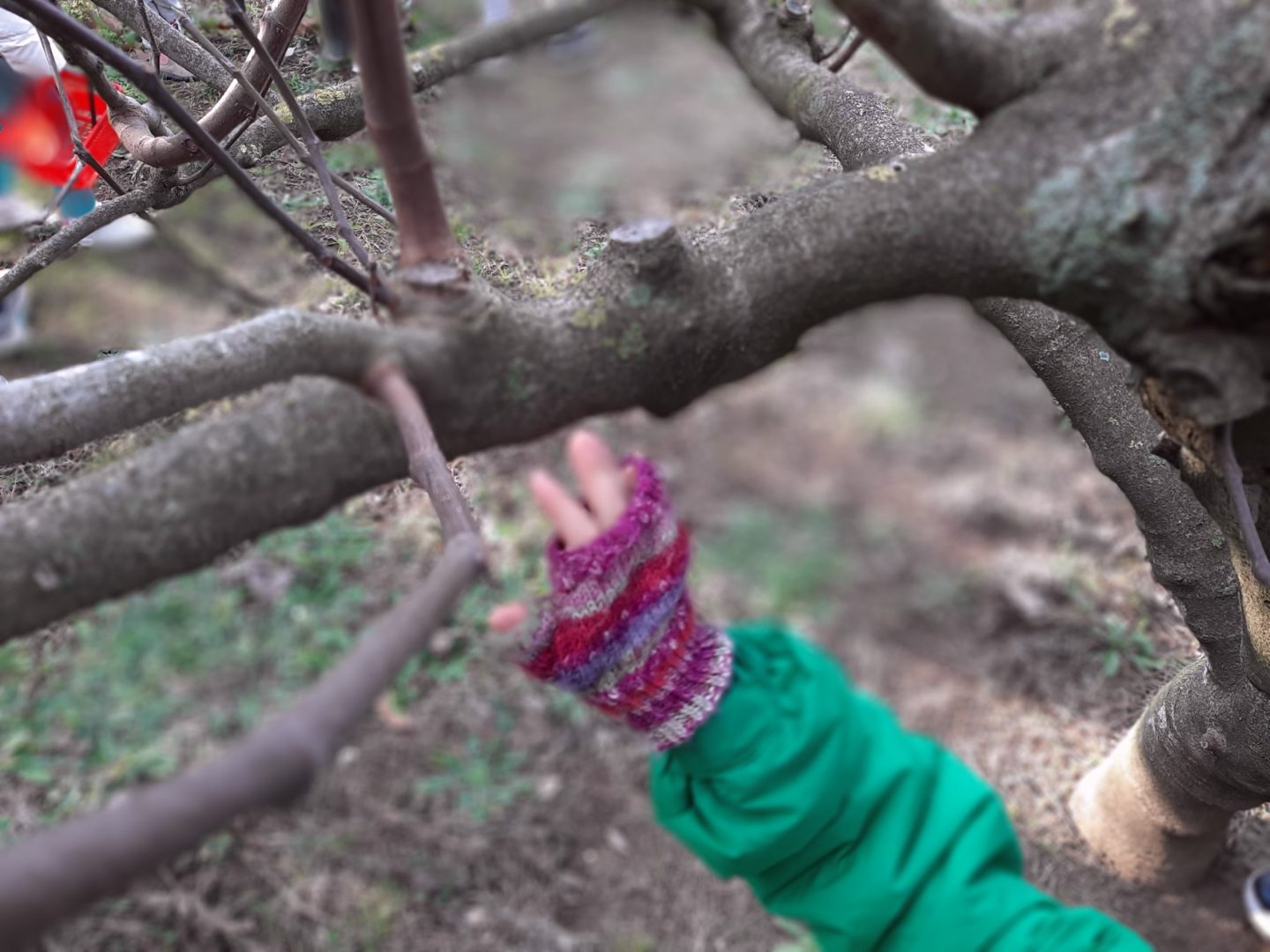
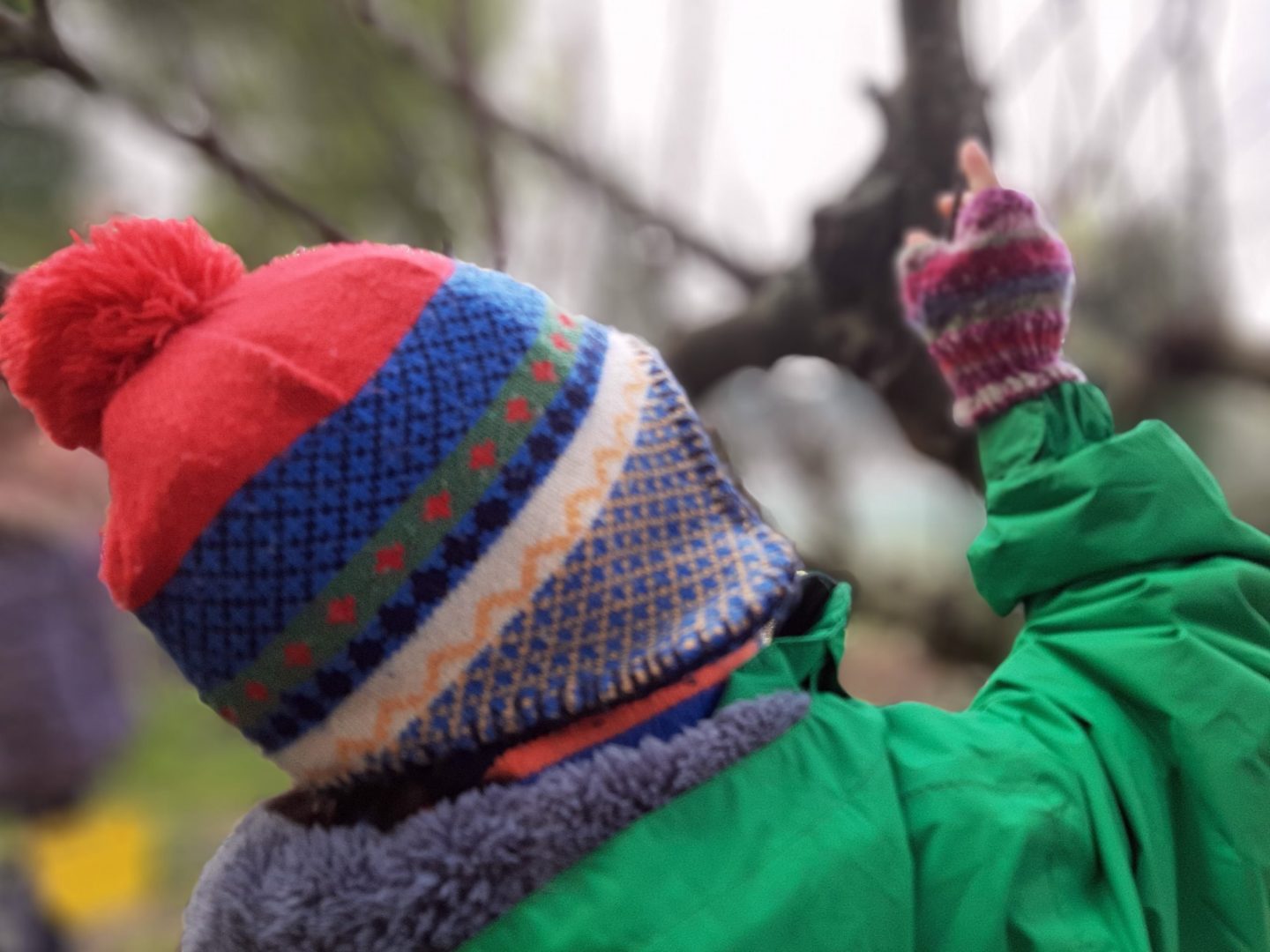
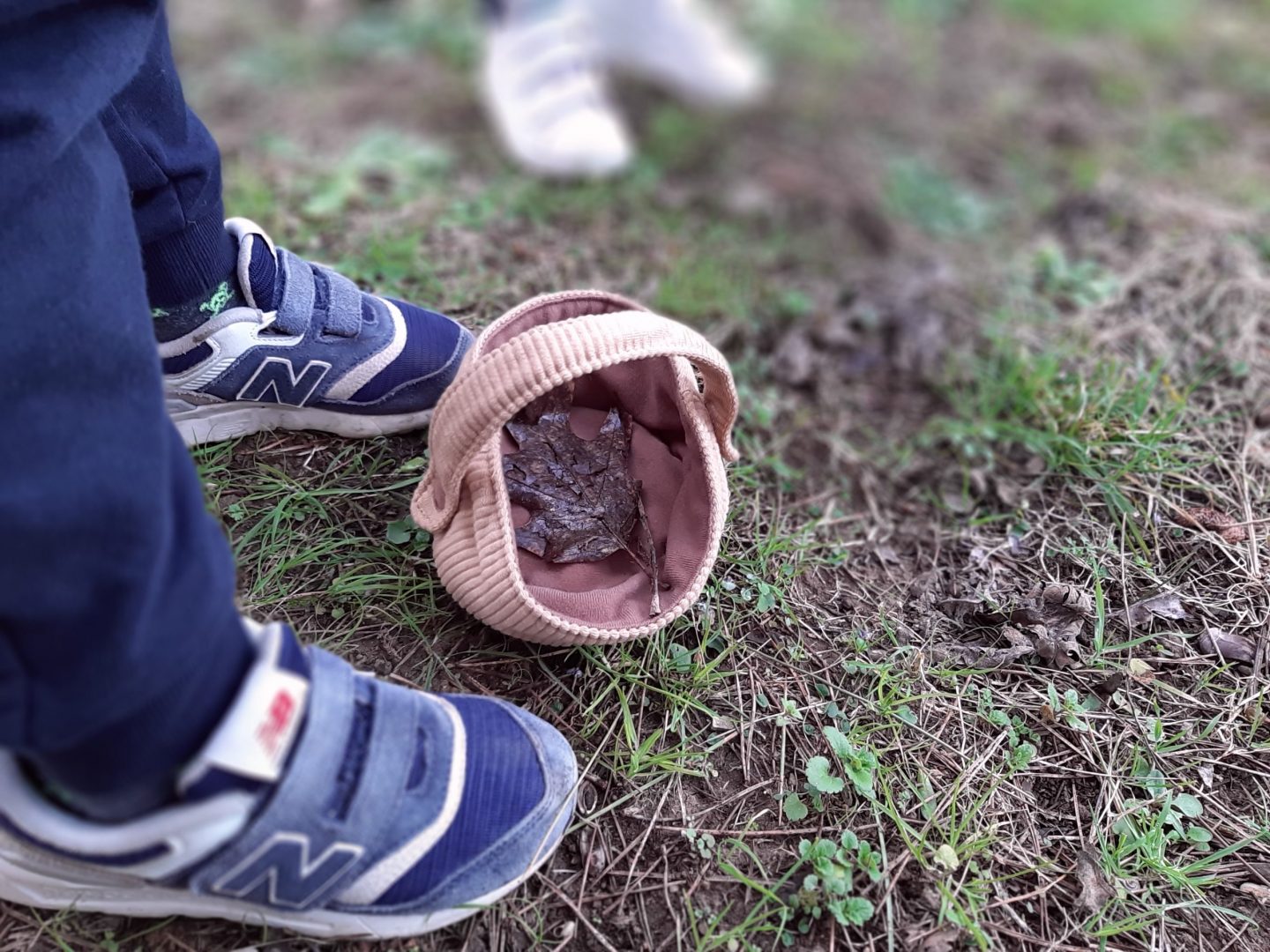

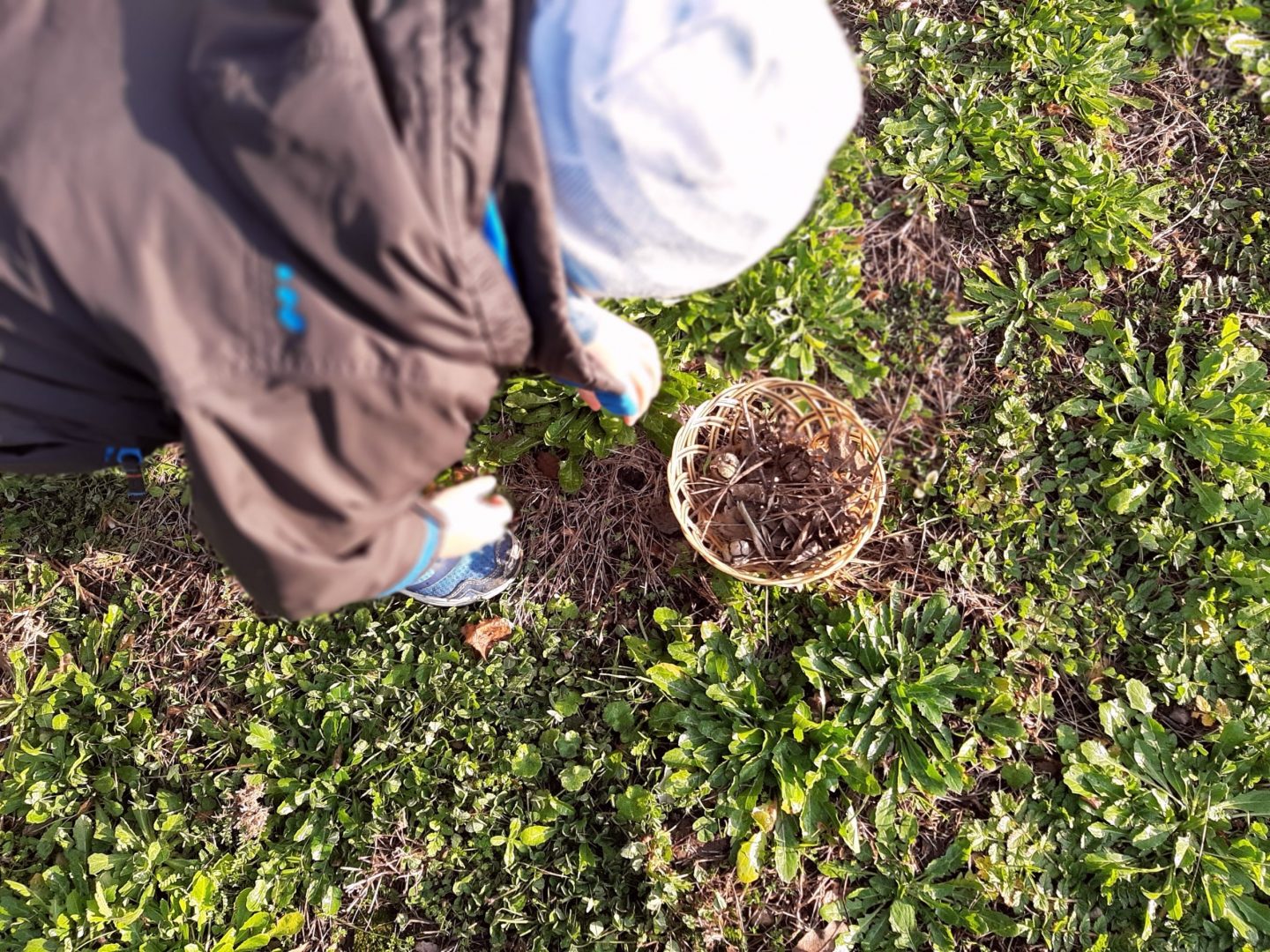


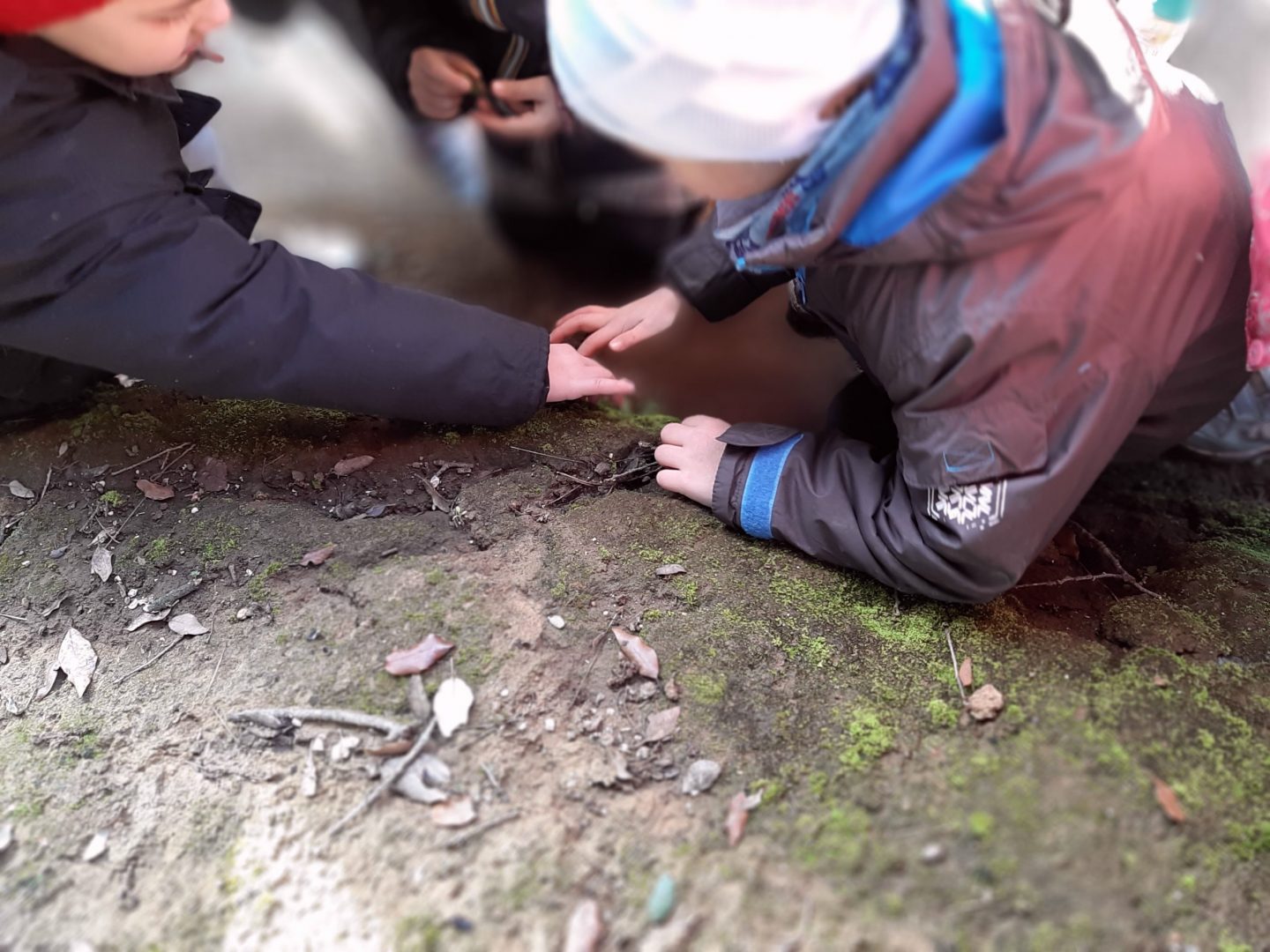


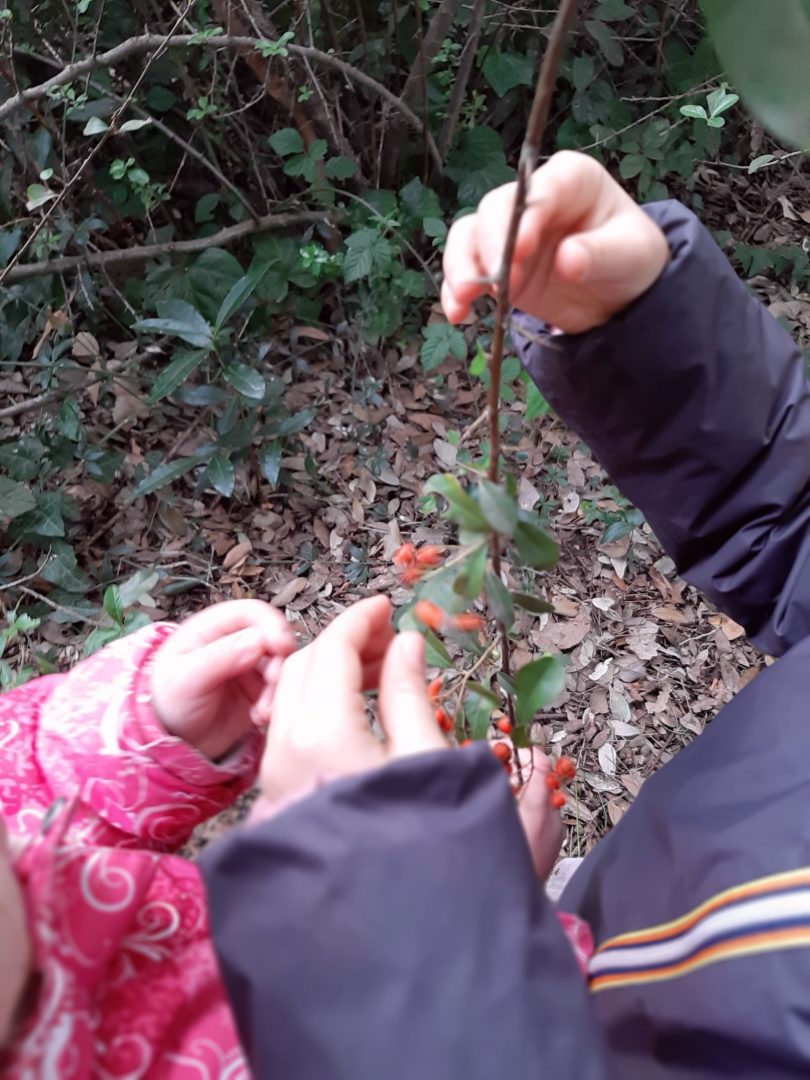
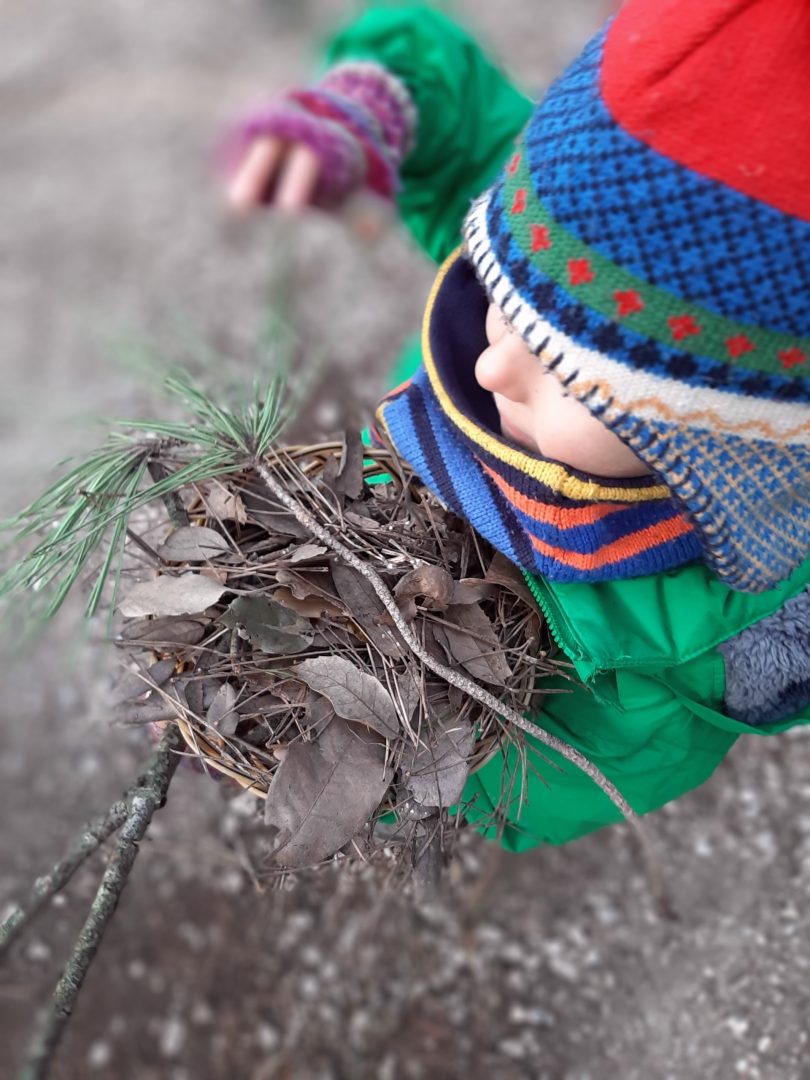


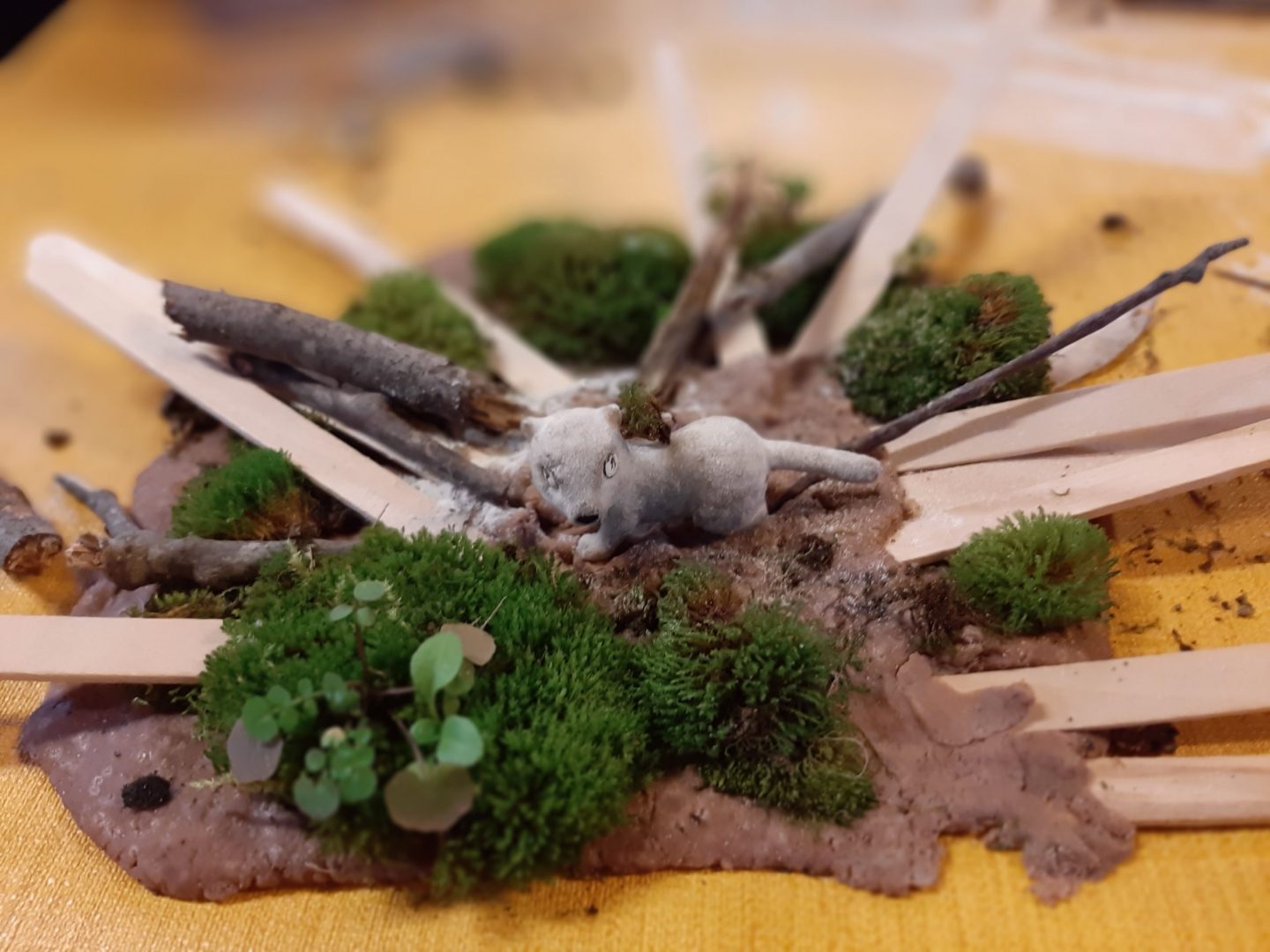
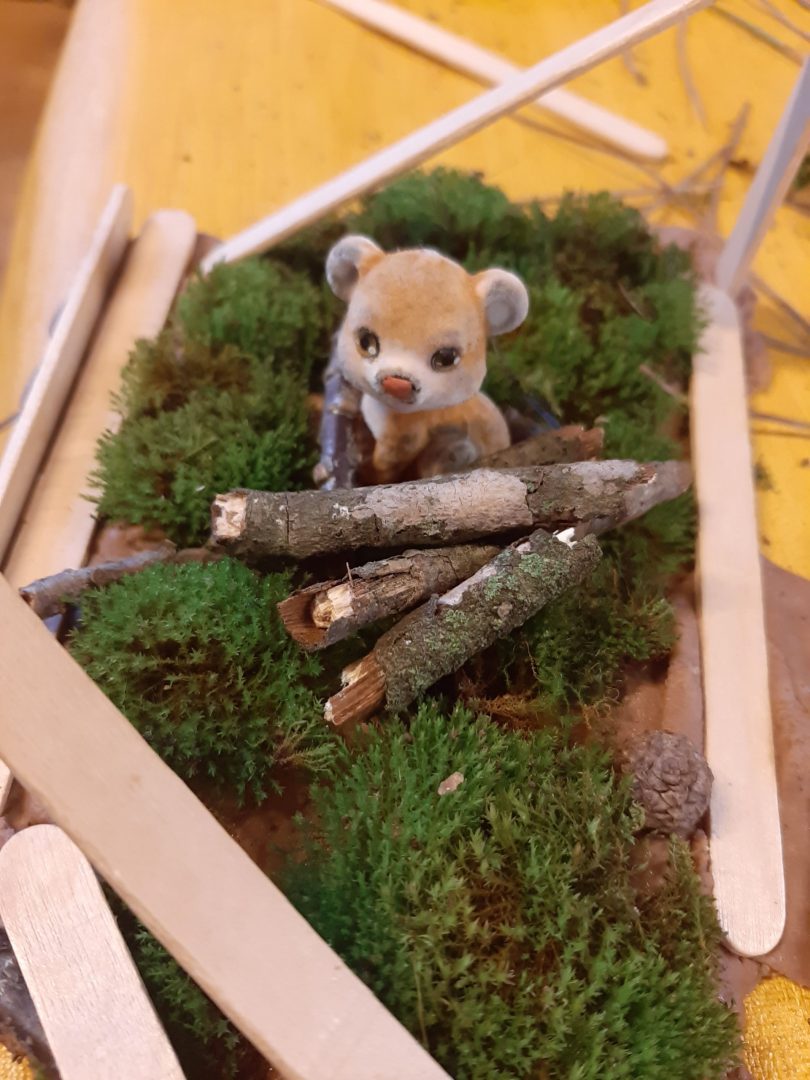
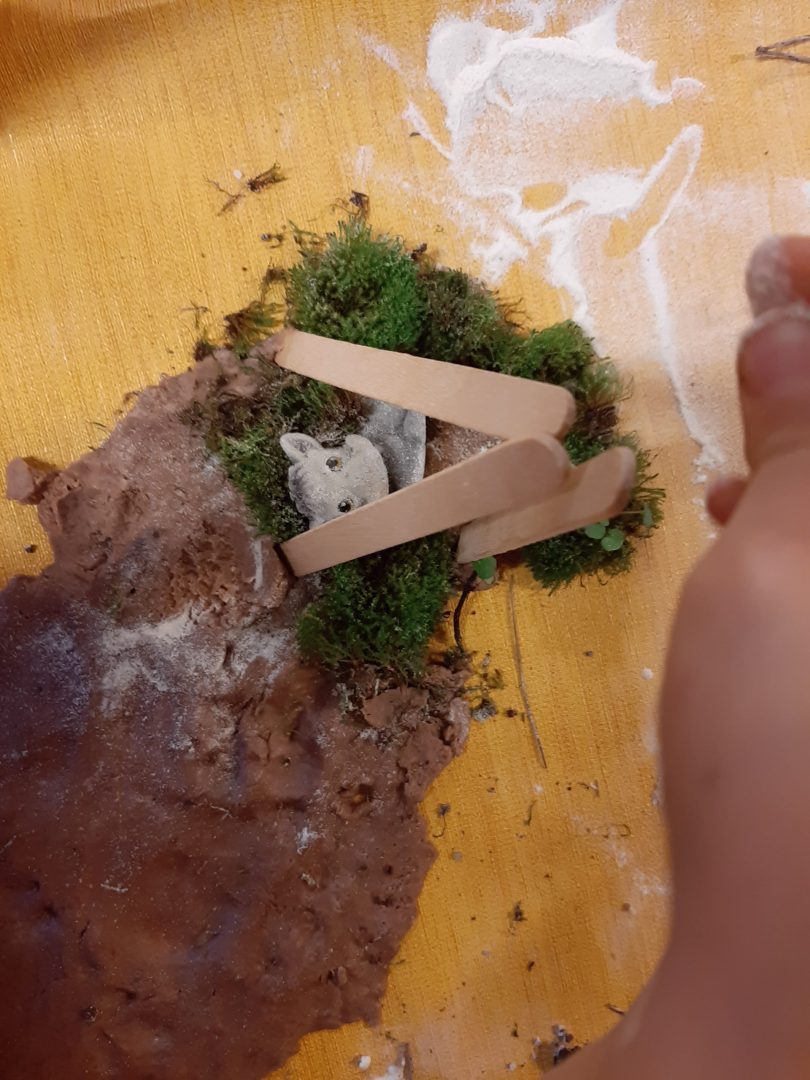
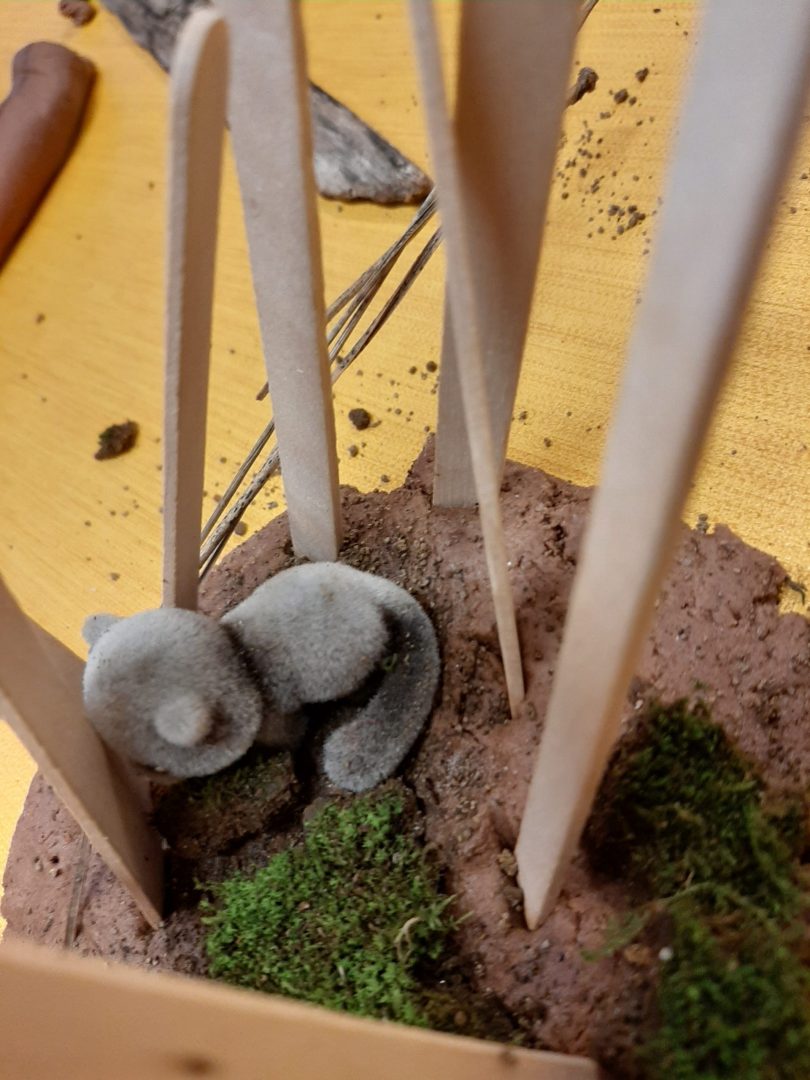
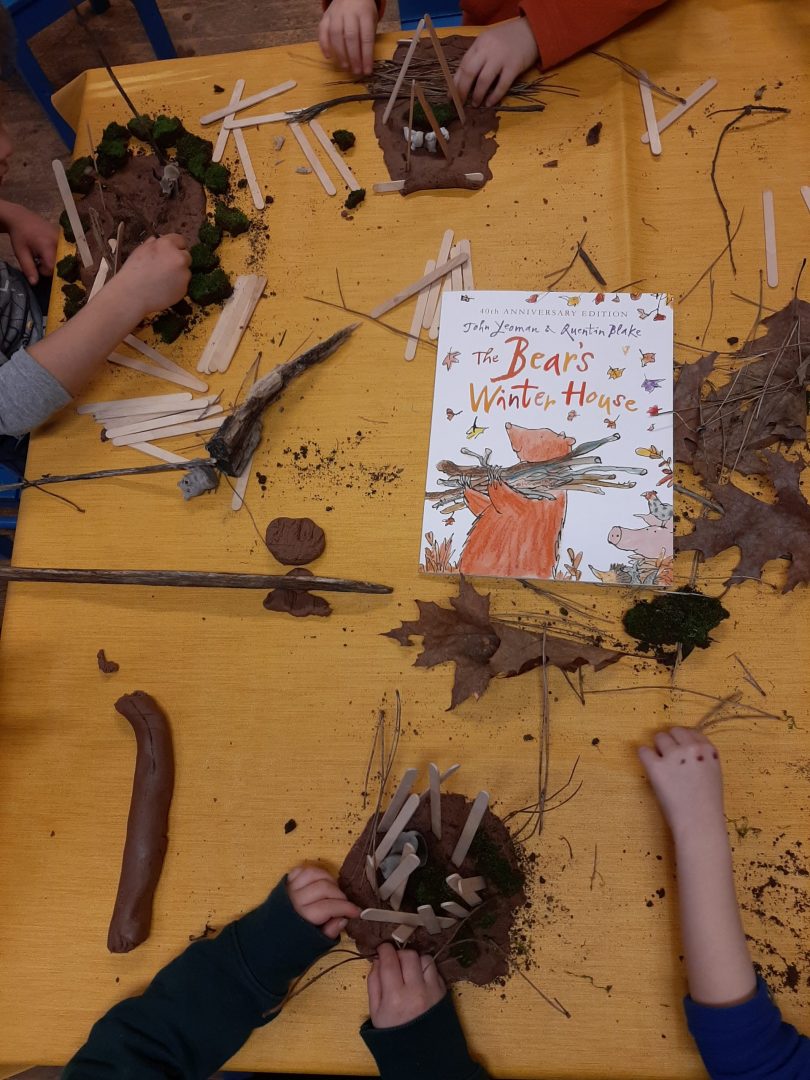
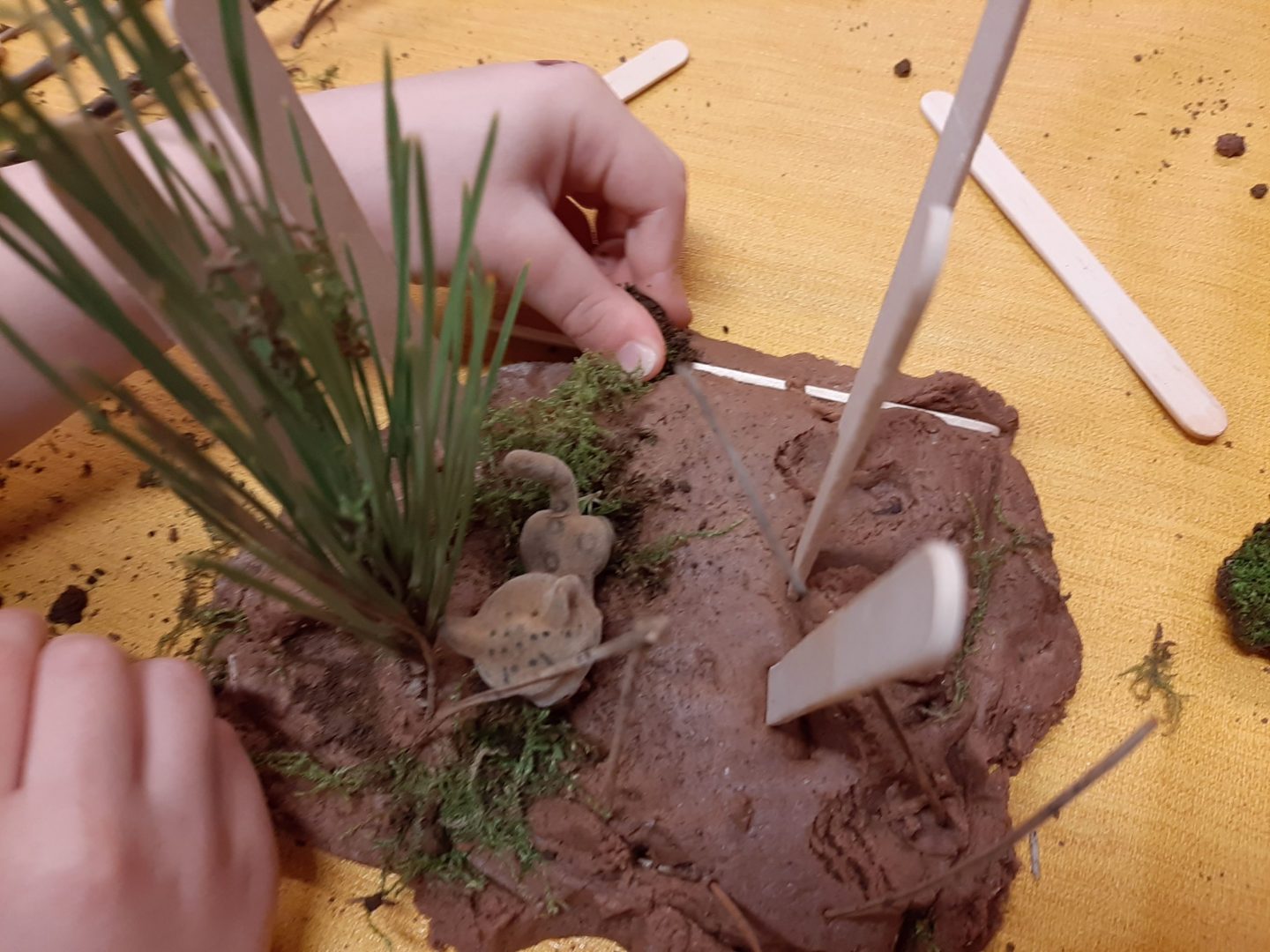
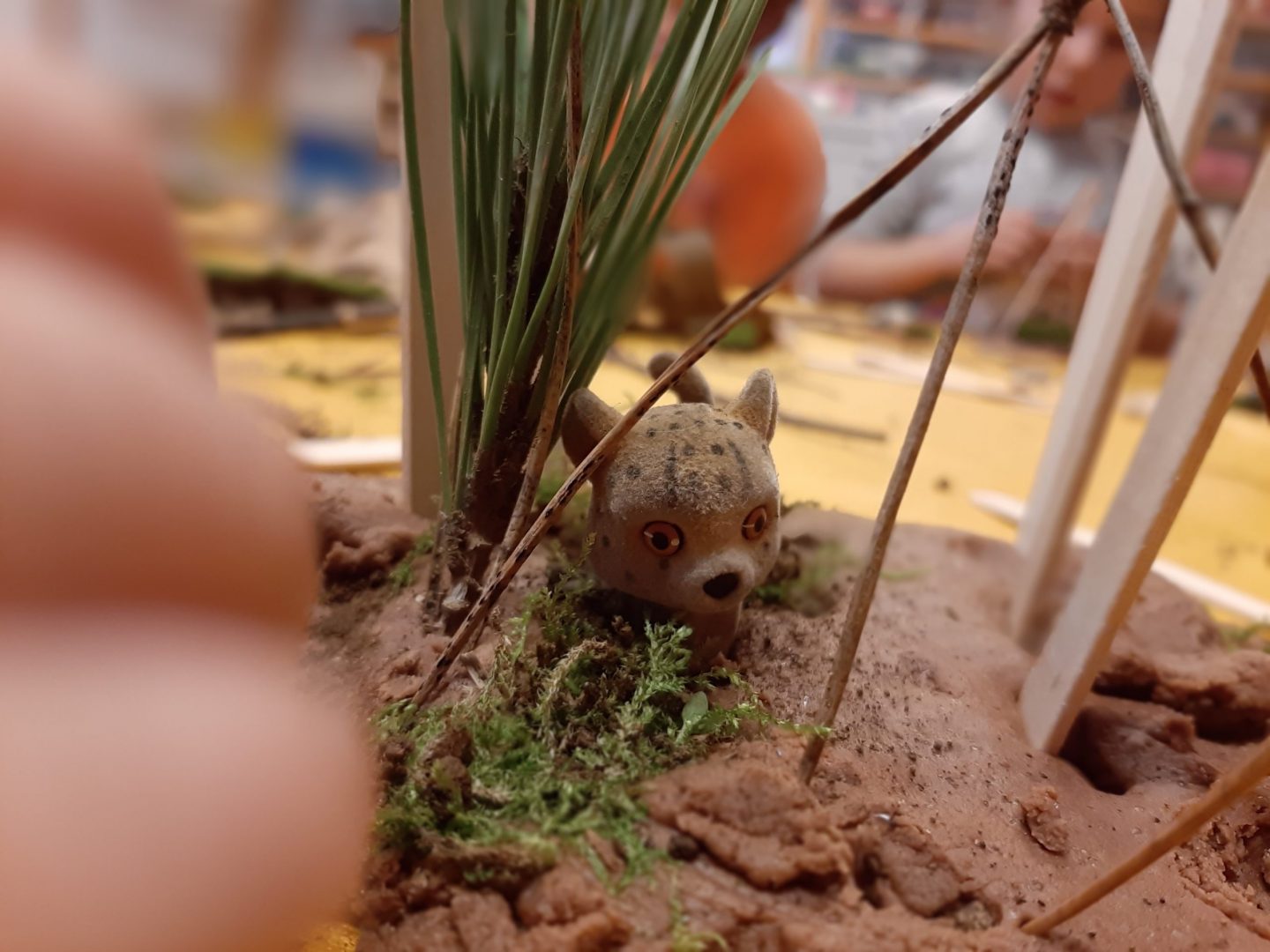
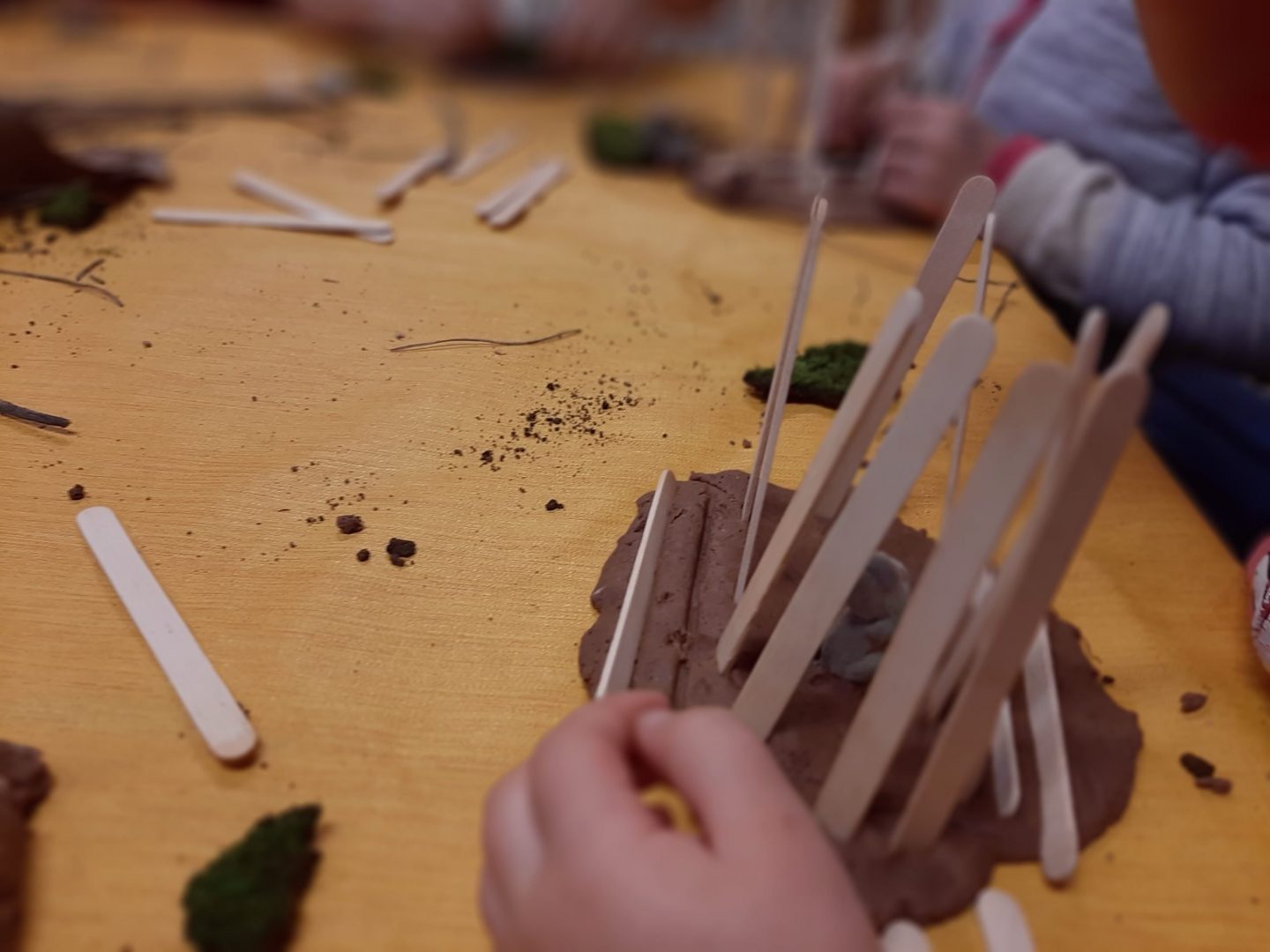
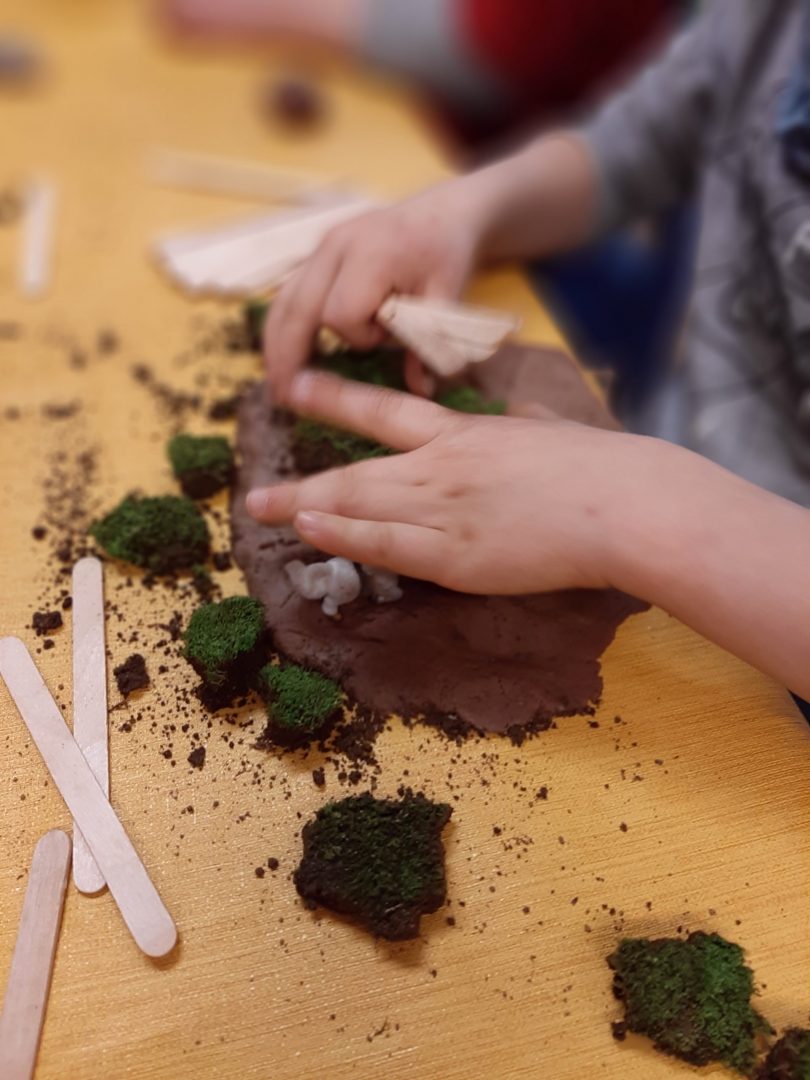
We created habitats for animals that hibernate ….
It is very difficult for most animals to find enough food in winters when the main source of food like insects or green plants is in short supply. Some animals solve this problem by hibernating.Hibernation is a deep sleep adaptation mechanism that helps such animals to save energy and survive the winter without consuming much food. Many physiological changes occur in the body of the animals during hibernations where the animal’s body temperature drops and its heartbeat and its breathing slow down so that energy can be conserved. However, some animals such as skunks, raccoons and some chipmunks are light sleepers and are easily awakened. They may sleep during the most severe weather and wake to roam and eat during milder weather.Most hibernators prepare in some way for the winter. While some store food in their burrows or dens to eat when they awake for short periods during the hibernation, many animals eat extra food before winters (while it is plentiful) and store it as body fat to be used later for generation of energy…


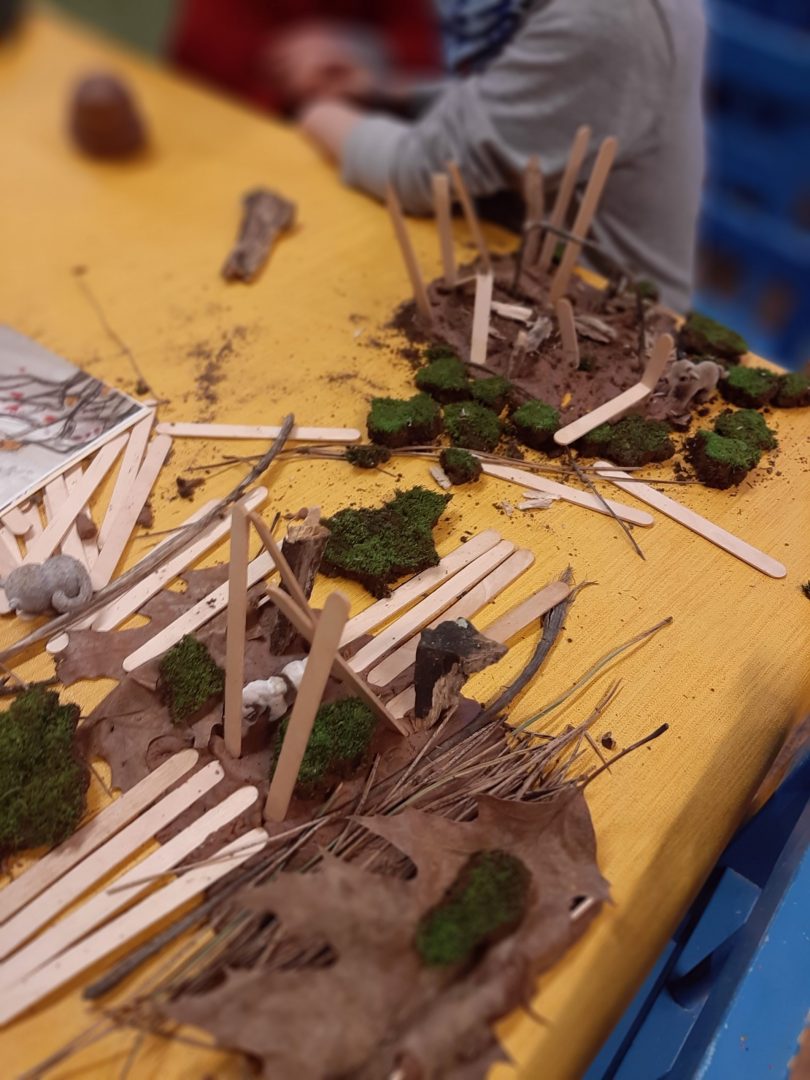
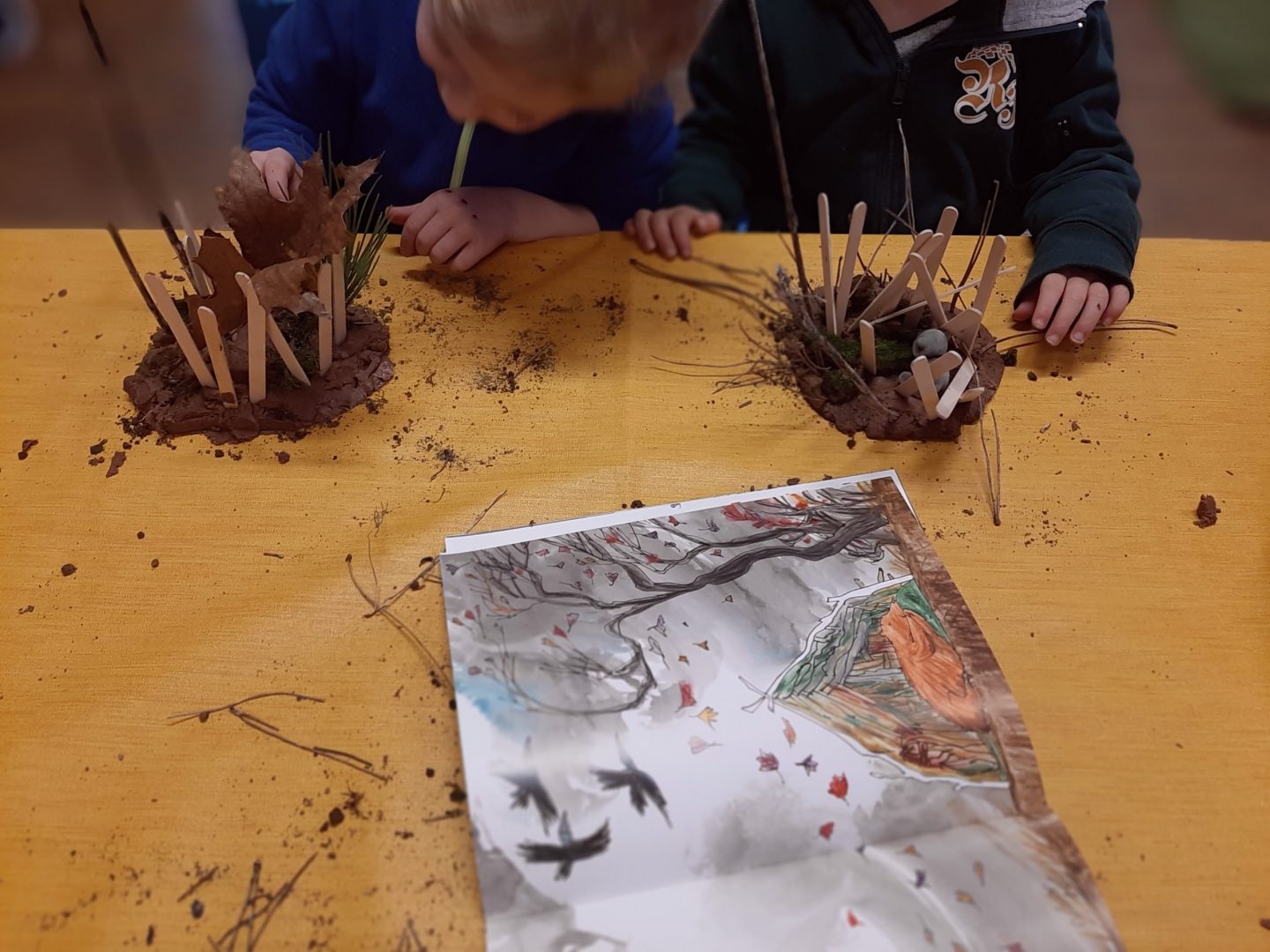








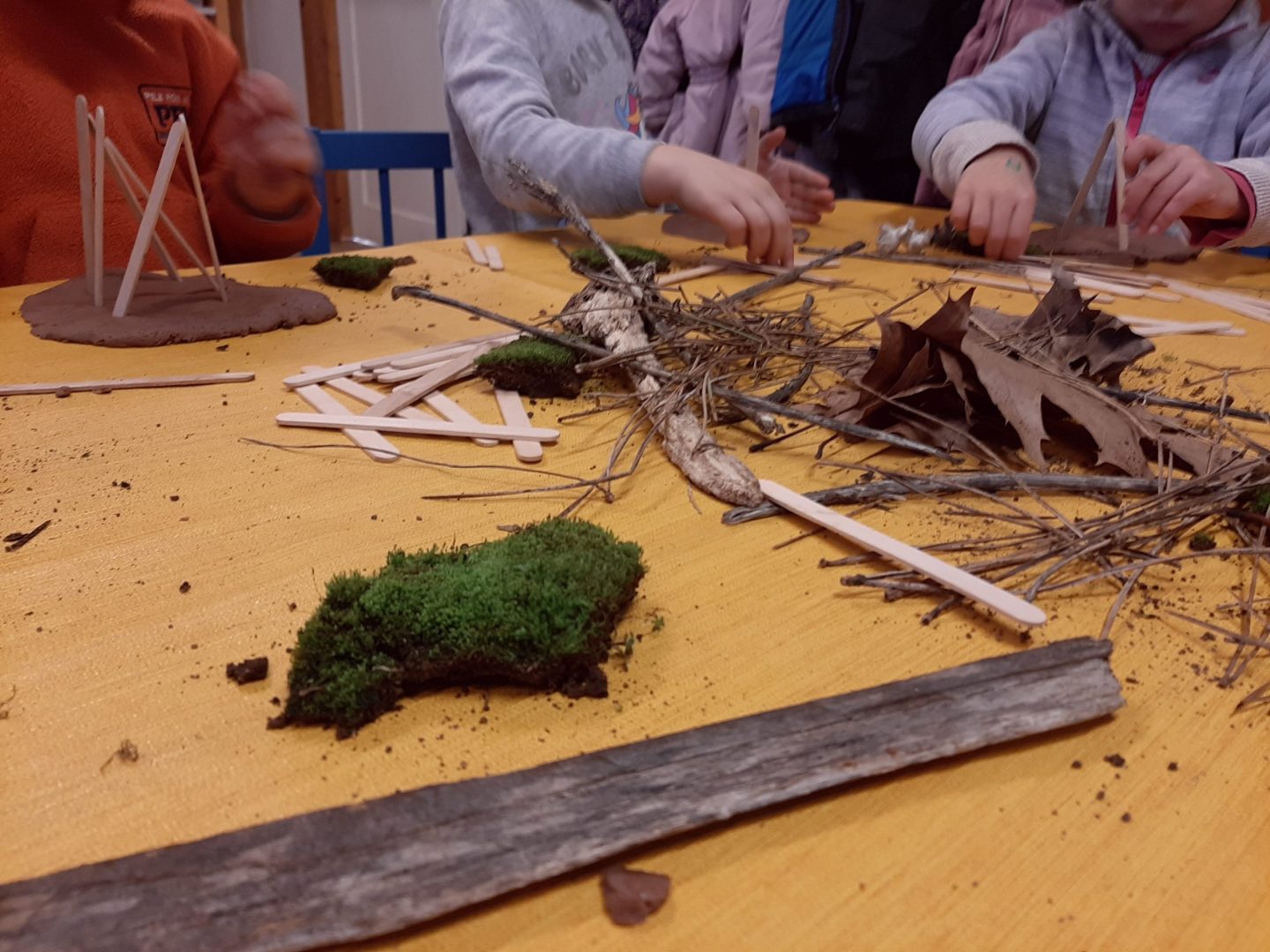
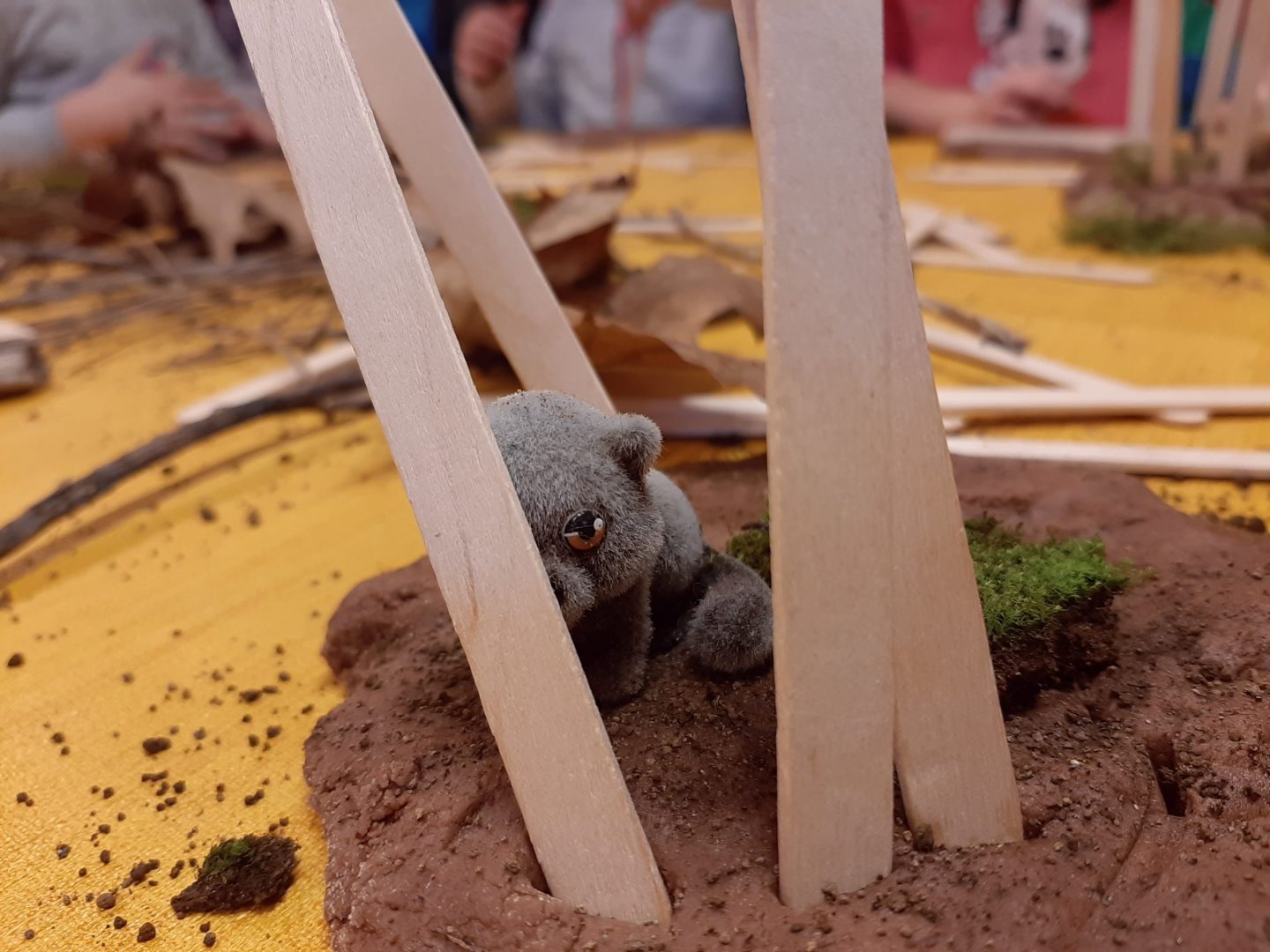

LOOSE PARTS PLAY …
Using Loose parts in the learning environment encourages growth in all areas of development. Loose parts give children the freedom to arrange and rearrange, essentially using the parts to create their own rules and designs, which allows the focus of the experience to be on the process rather than the product.


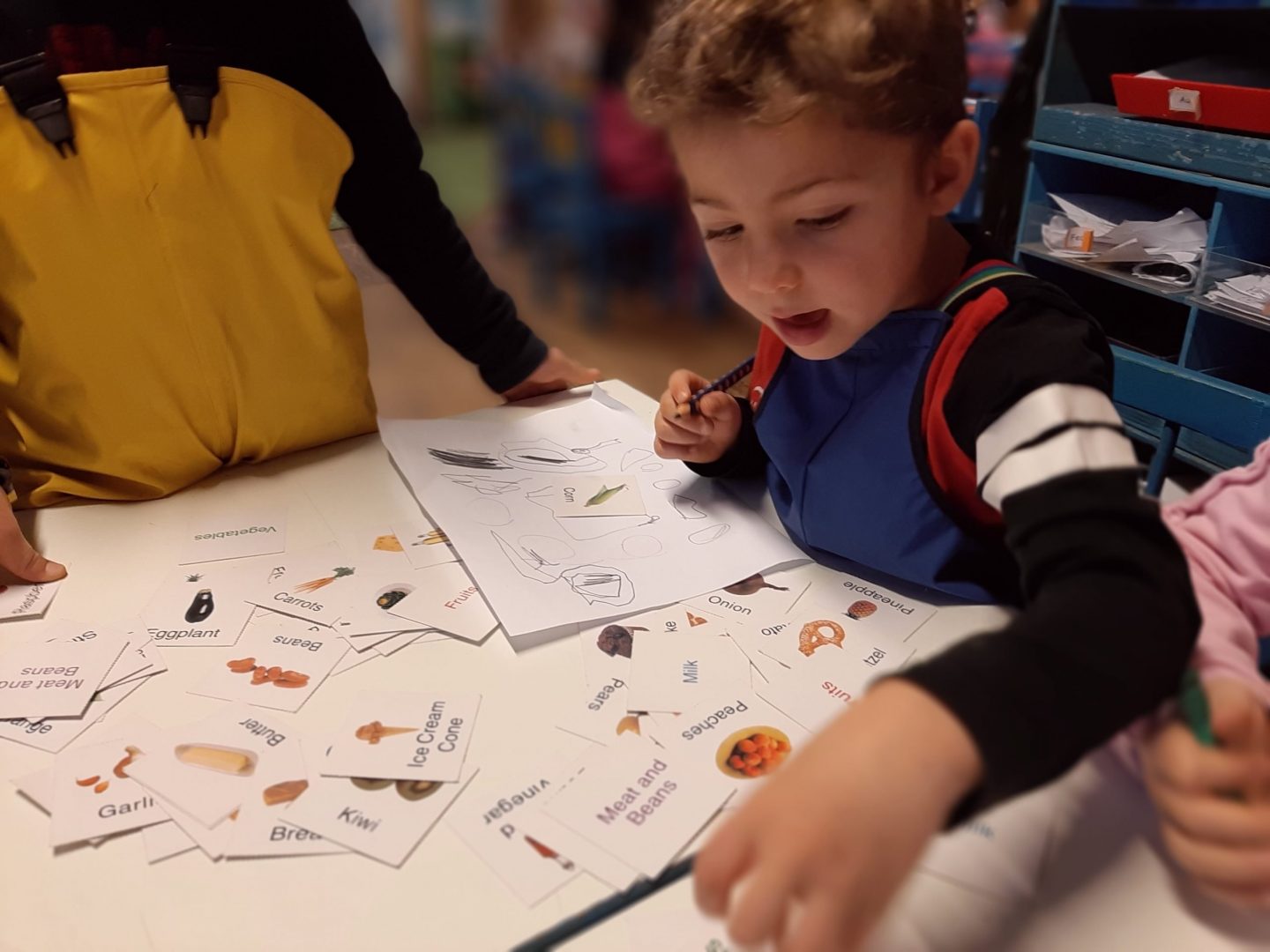
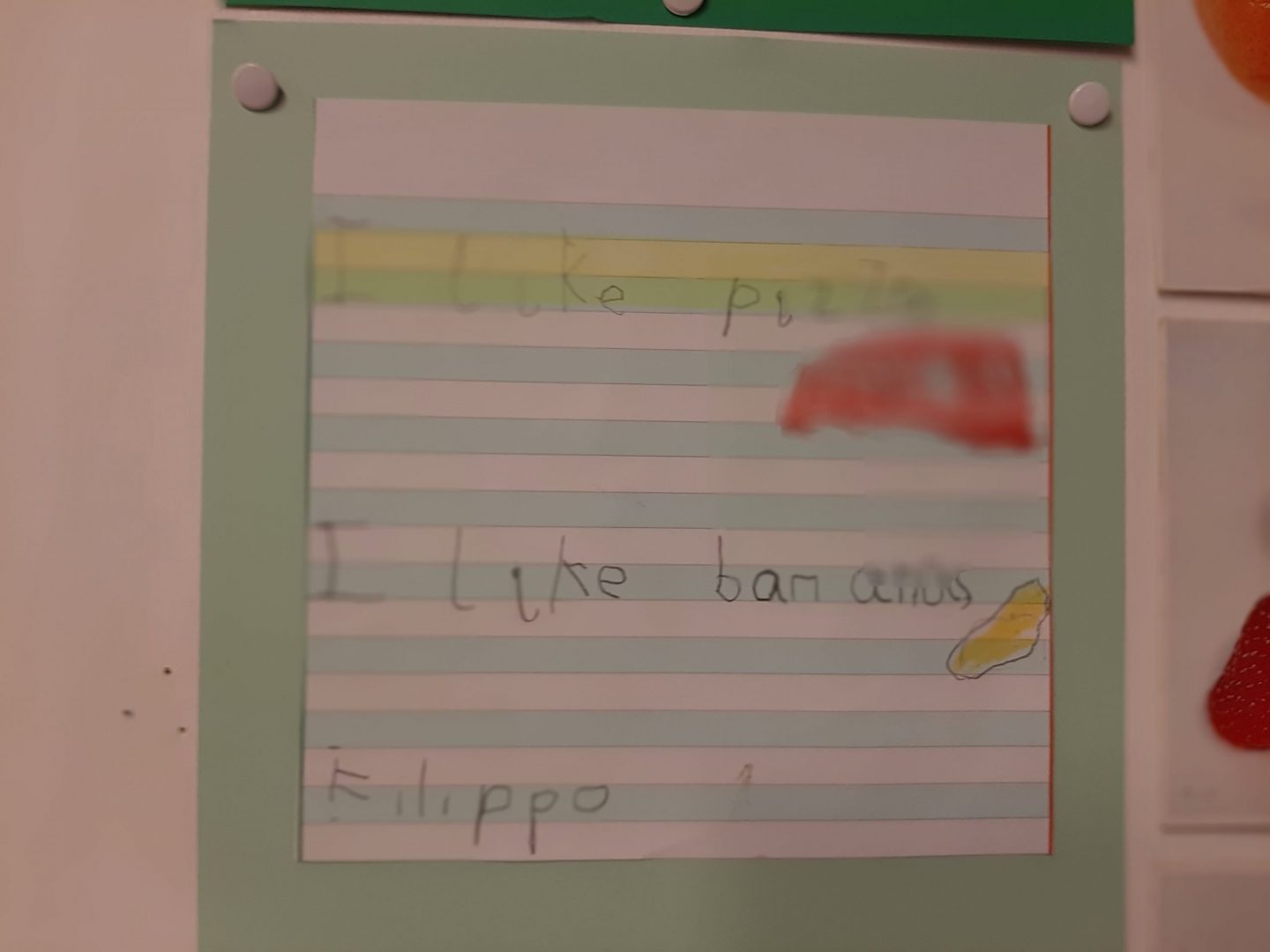
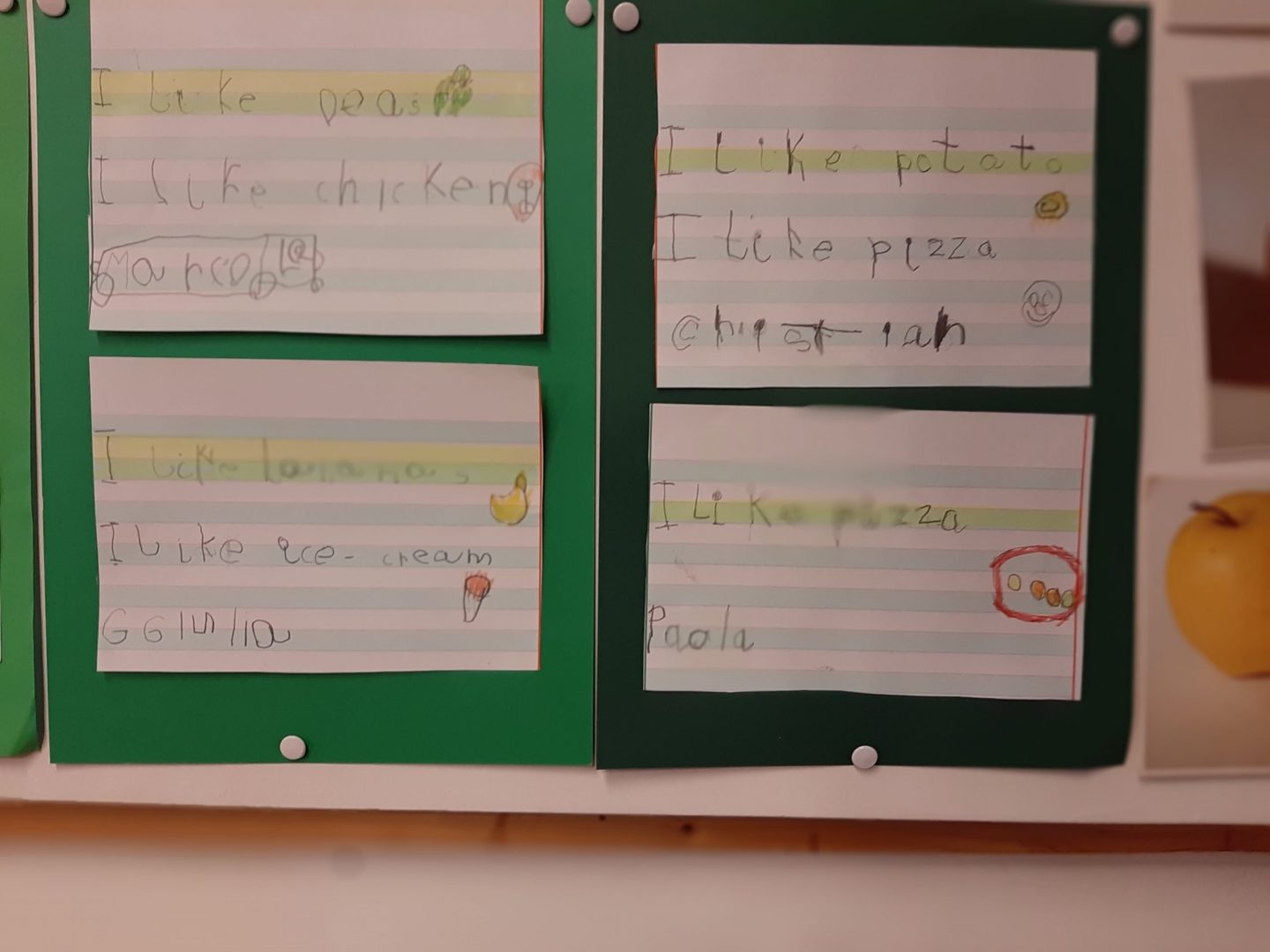
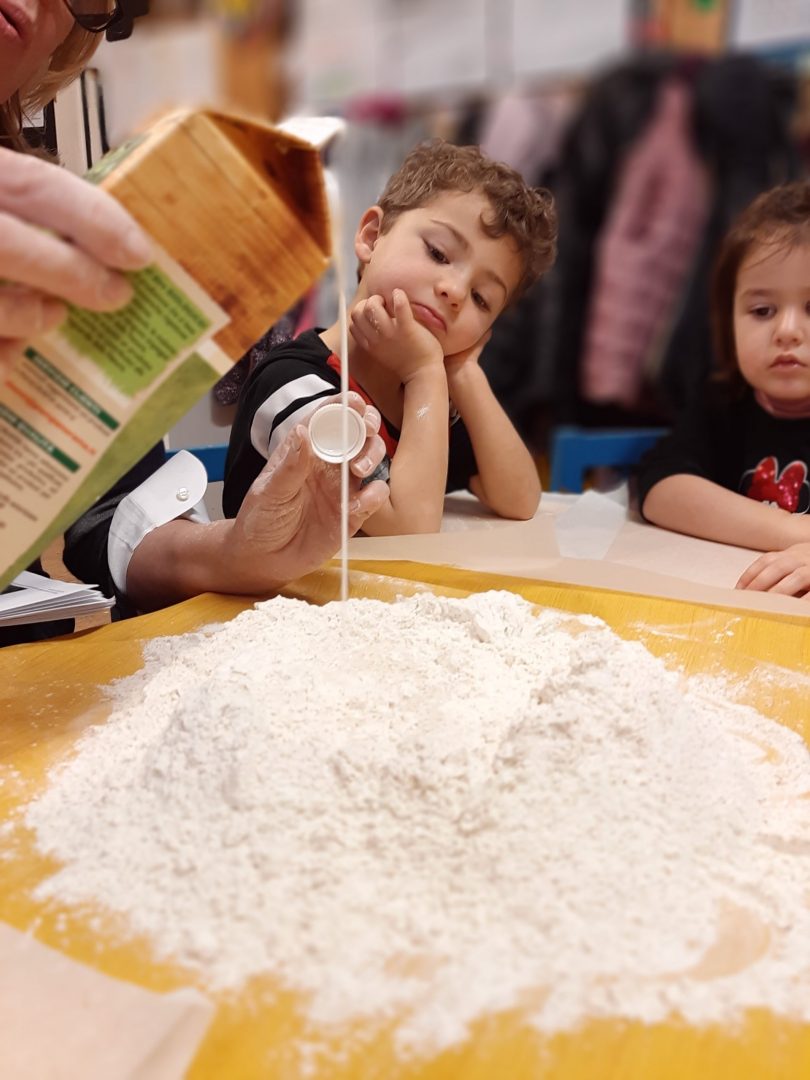
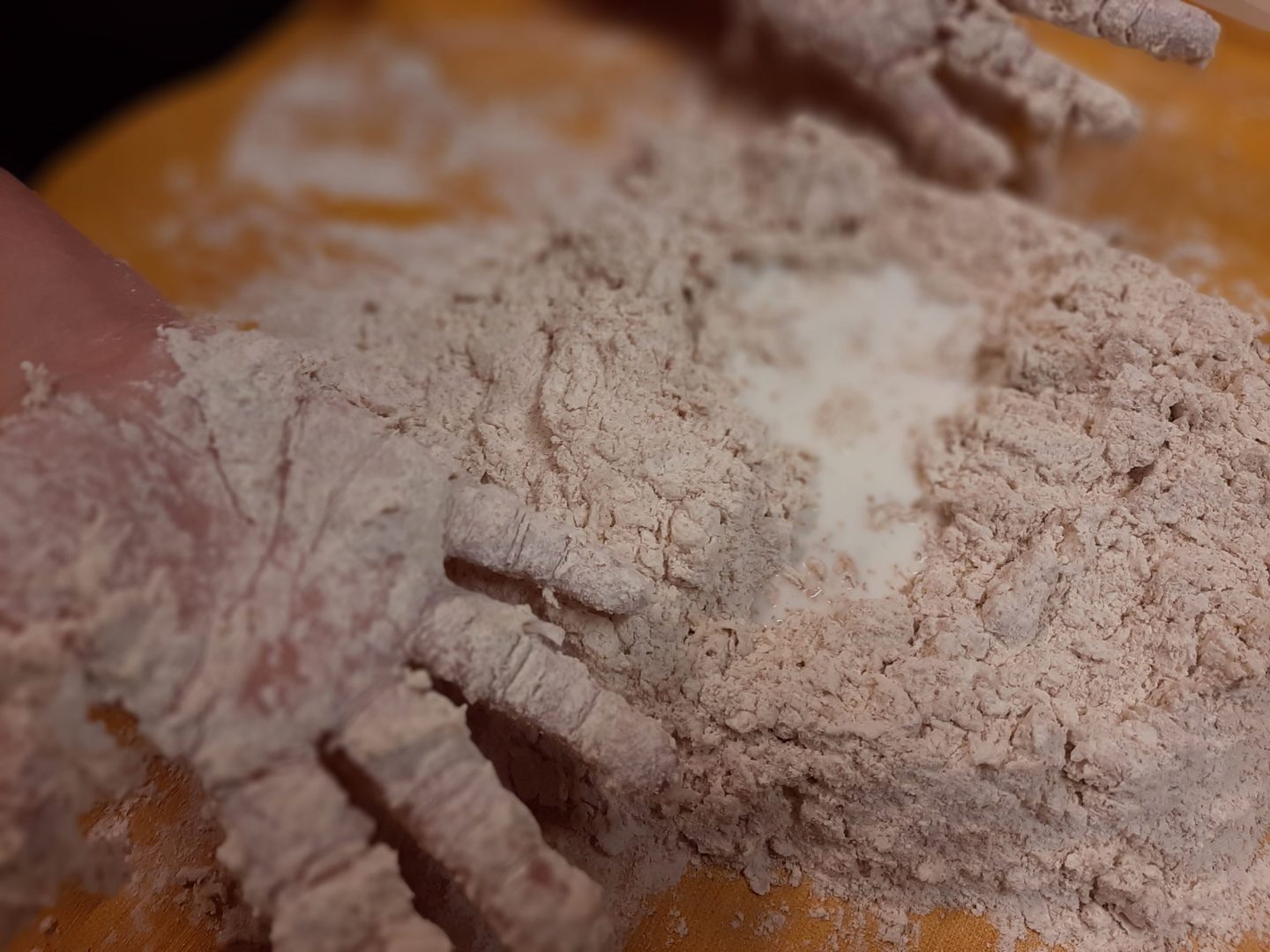
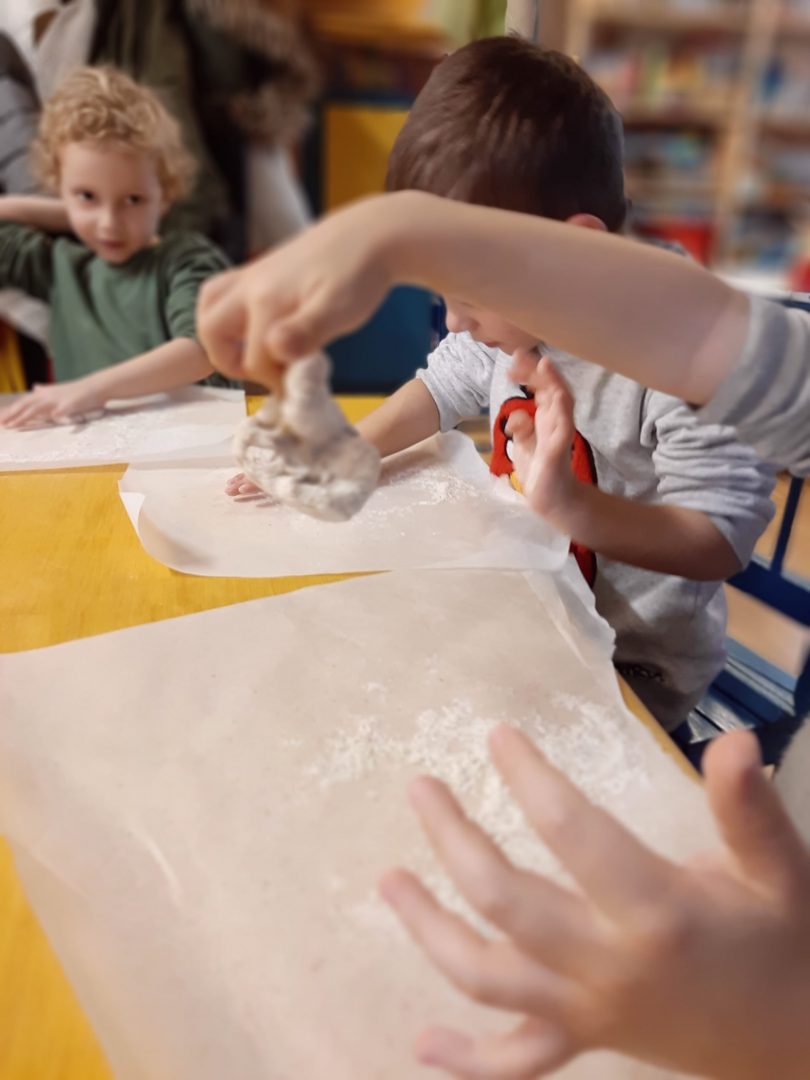
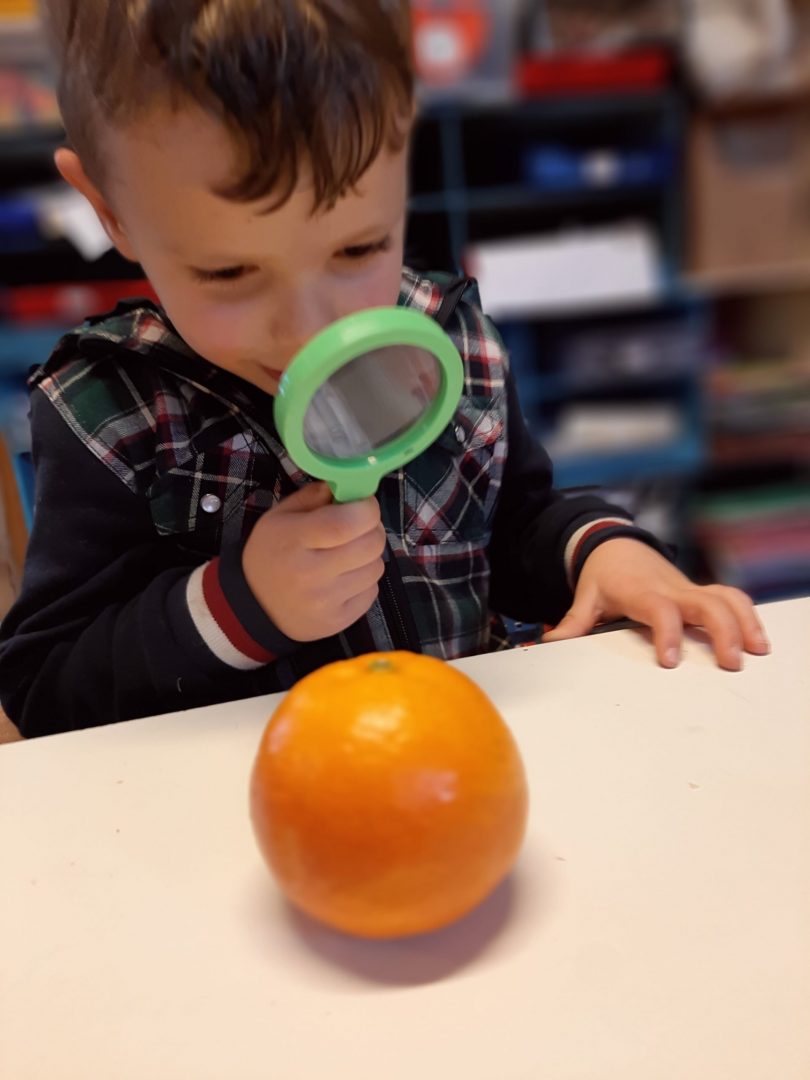
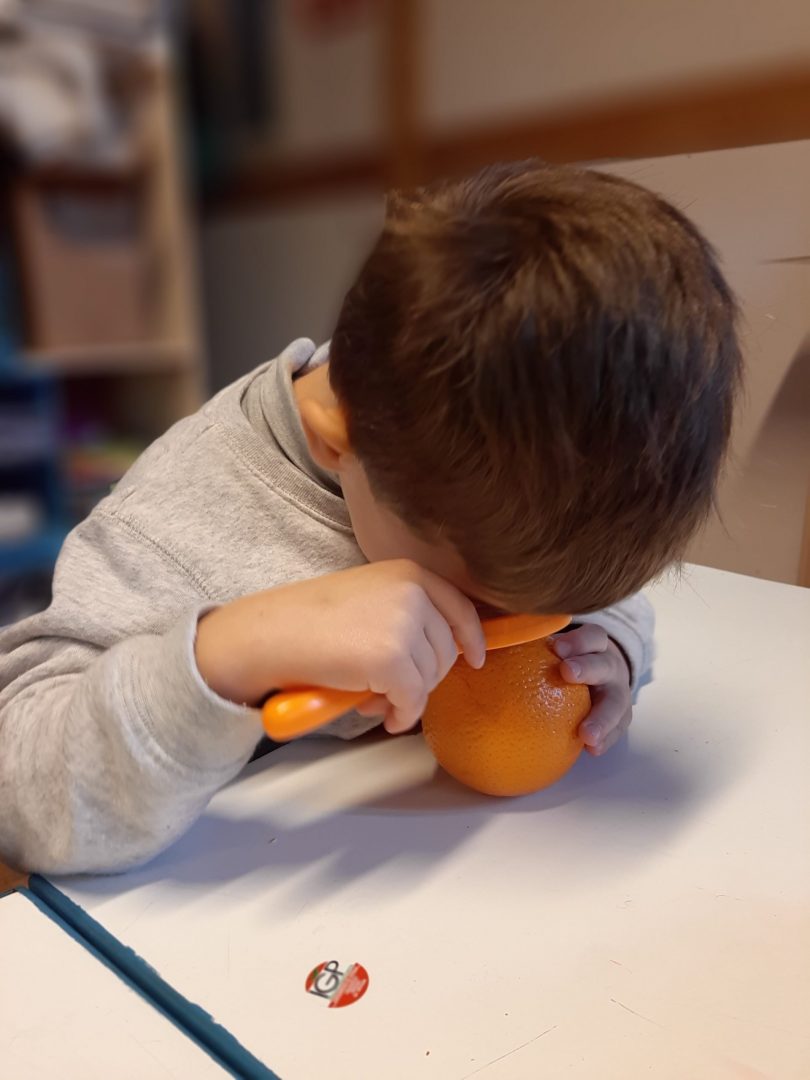
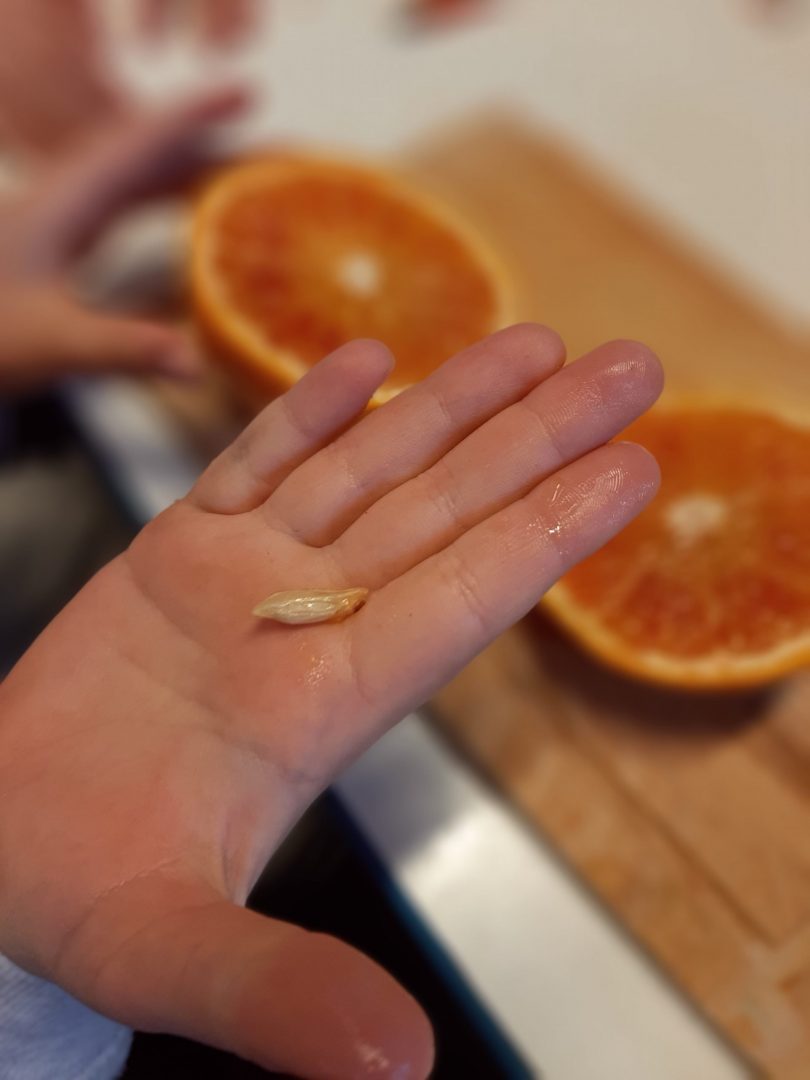
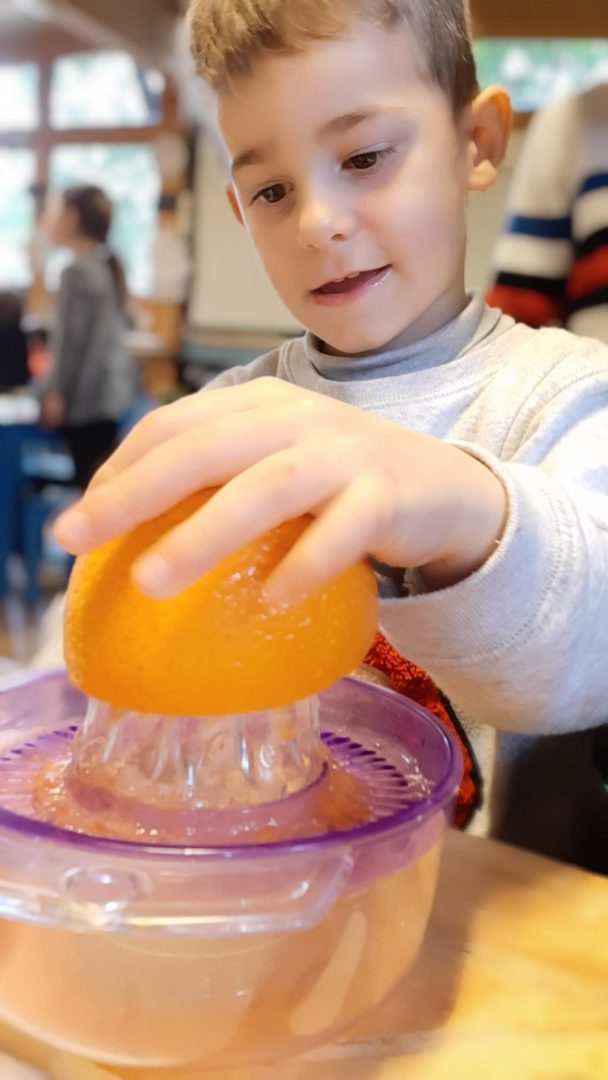
LEARNING ABOUT FOOD AND COOKING …
Many children and families today have busy schedules. These make it hard to sit down to homemade meals every day. Many kids’ diets involve a lot of convenience and takeout food. But these foods can be unhealthy. They can have a negative effect on your child’s health. Some of the problems unhealthy eating causes can continue into adulthood. They can even develop into lifelong diseases.
Healthful eating has many benefits for children. It can:
- Stabilize their energy.
- Improve their minds.
- Even out their moods.
- Help them maintain a healthy weight.
- Help prevent mental health conditions. These include depression, anxiety, and ADHD.
Plus, having a healthy diet and focusing on nutrition are some of the simplest and most important ways to prevent the onset of disease. Healthy eating can help prevent many chronic diseases. These include obesity, heart disease, high blood pressure, and type 2 diabetes.
Healthy eating habits are more likely to stay with you if you learn them as a child. That’s why it’s important that you teach your children good habits now.























OUTDOOR PLAY …
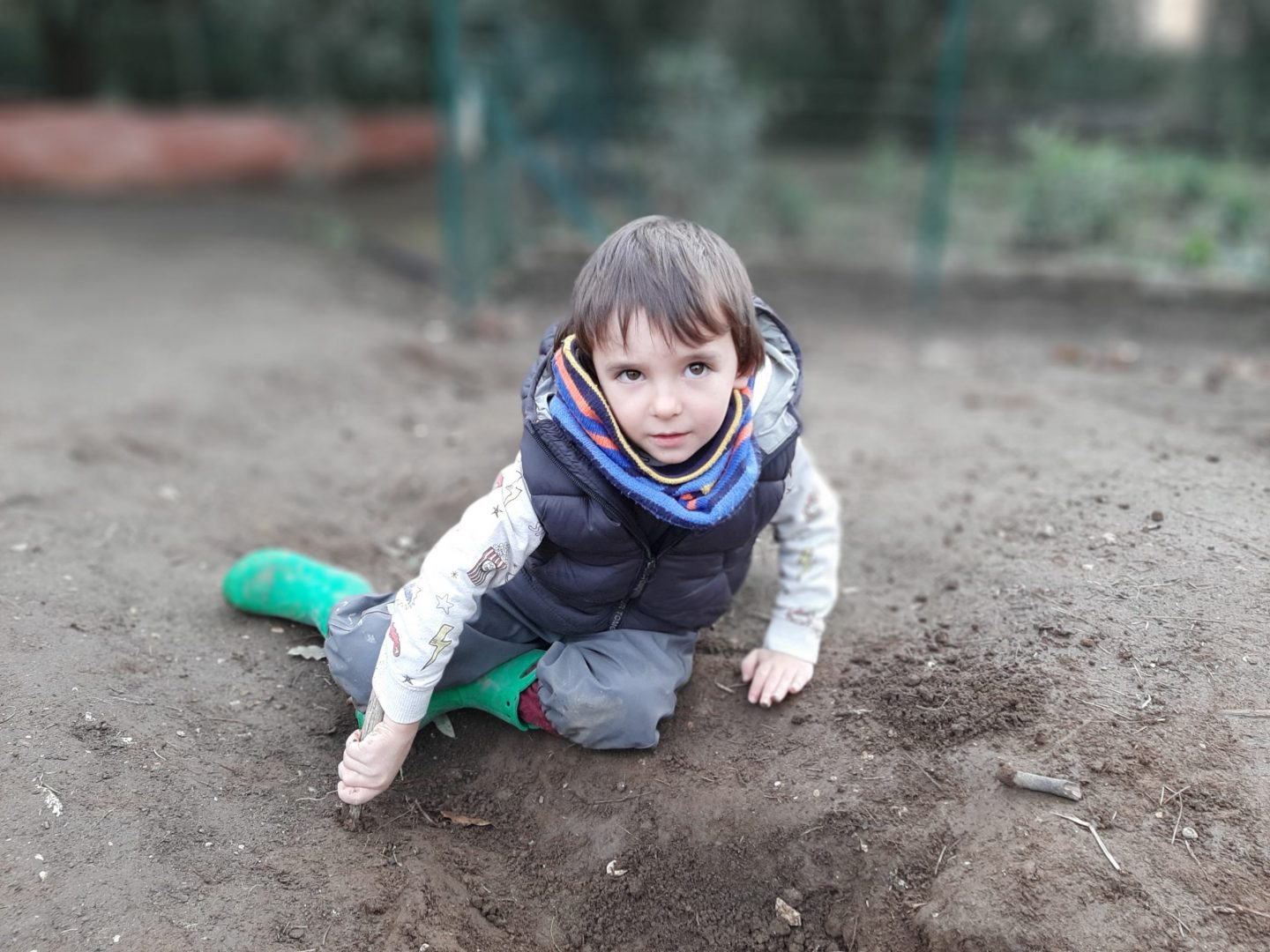
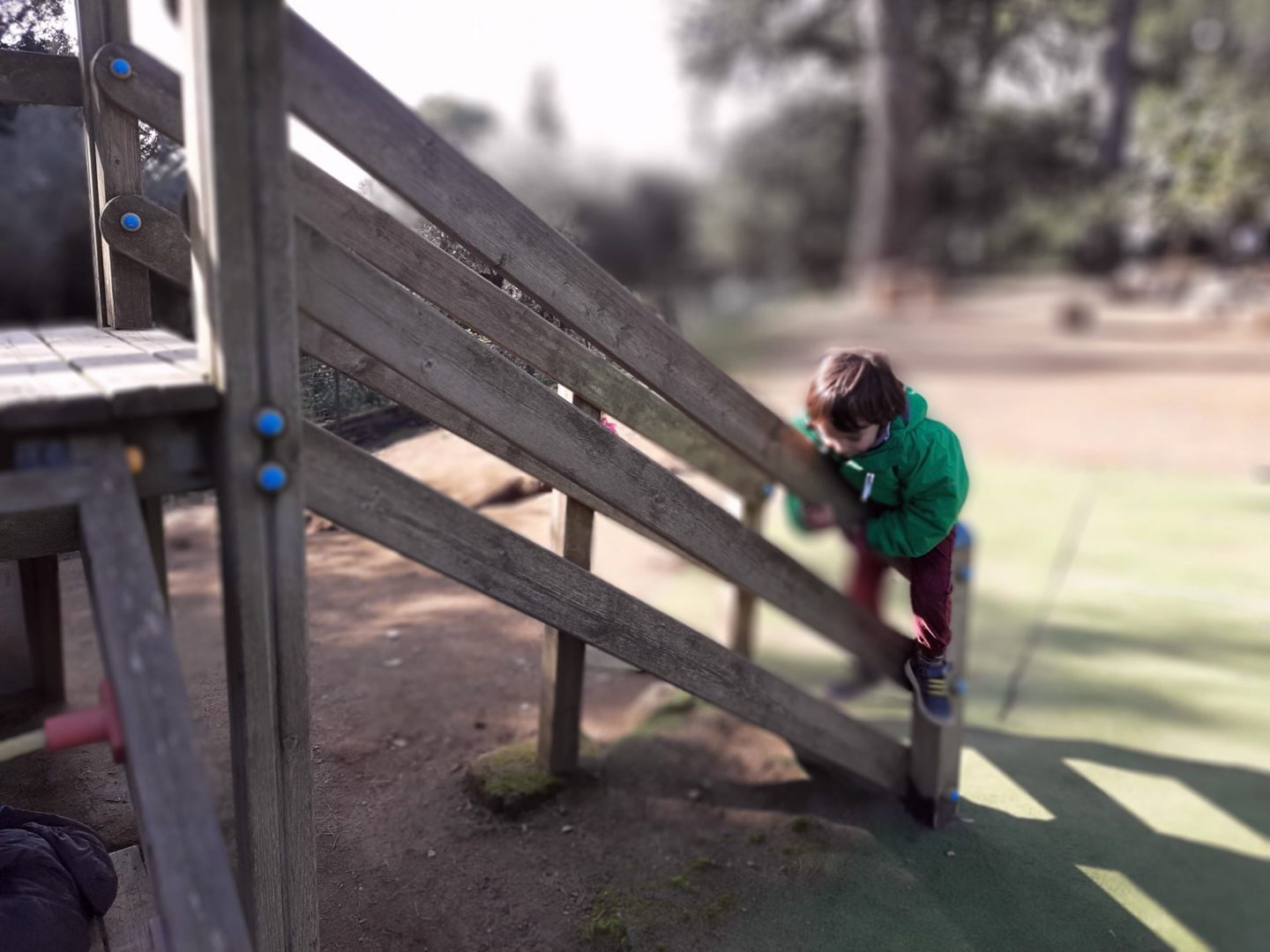
- Builds physically healthier children. Nowhere is better than the outdoors for running, jumping, throwing balls, catching, pulling things, lifting and carrying objects. …
- Contributes to cognitive and social/emotional development. …
- Improves sensory skills. …
- Increases attention spans. …
- Happiness and better immunity.




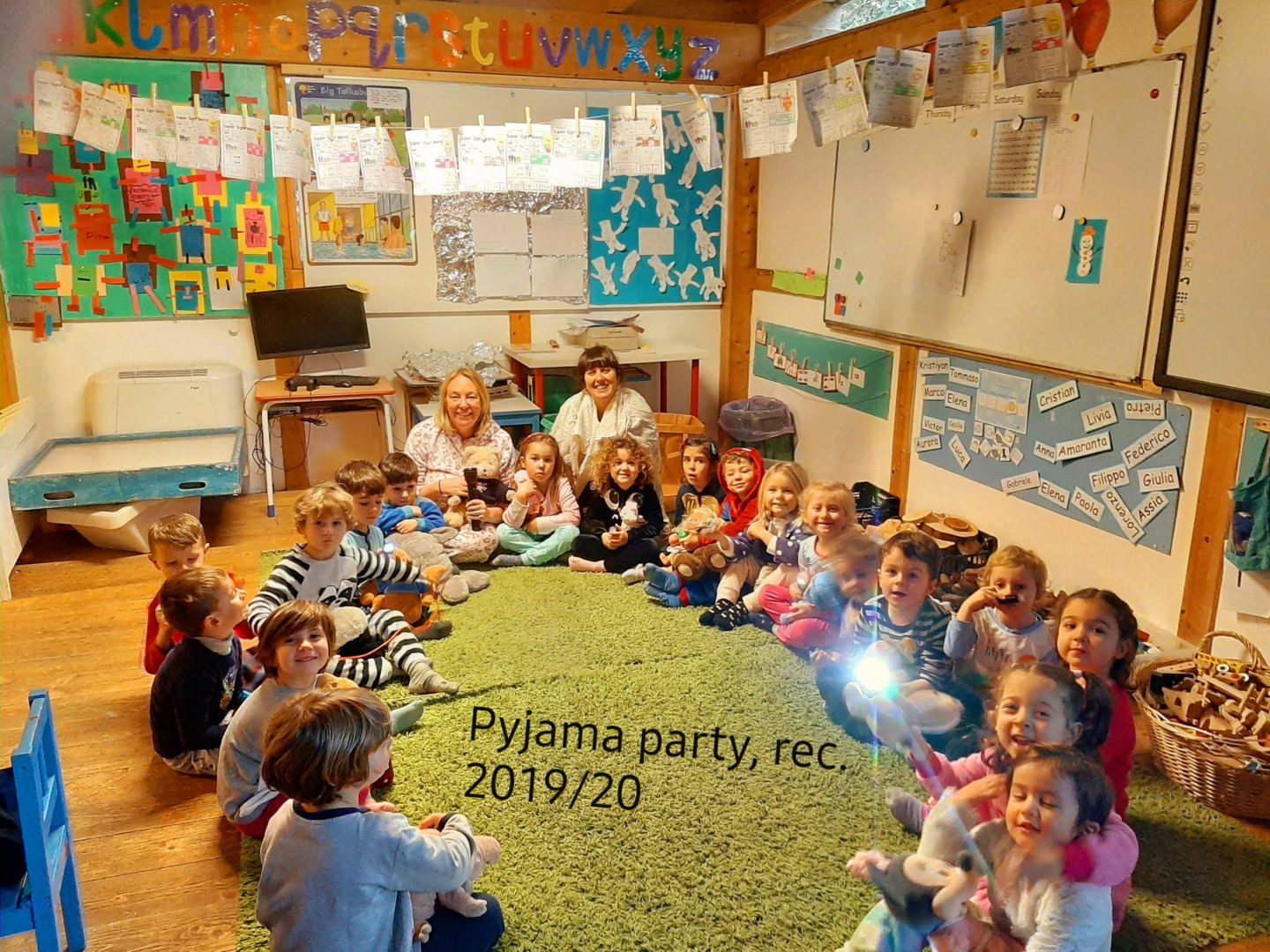
PYJAMA PARTY & BRING YOUR TEDDY TO SCHOOL … 🙂