Sperlonga’s Archaeological Museum and Tiberius’ Grotto
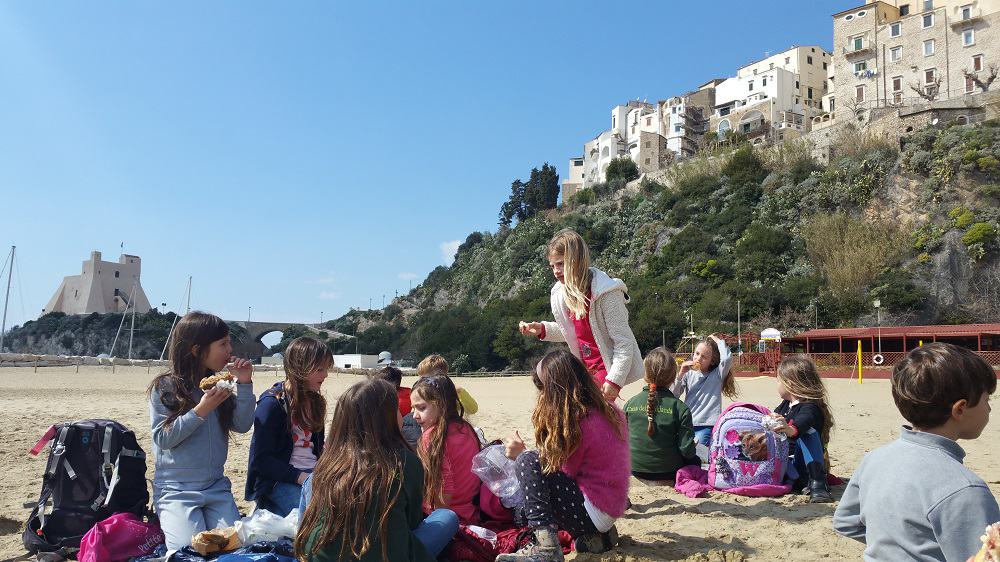
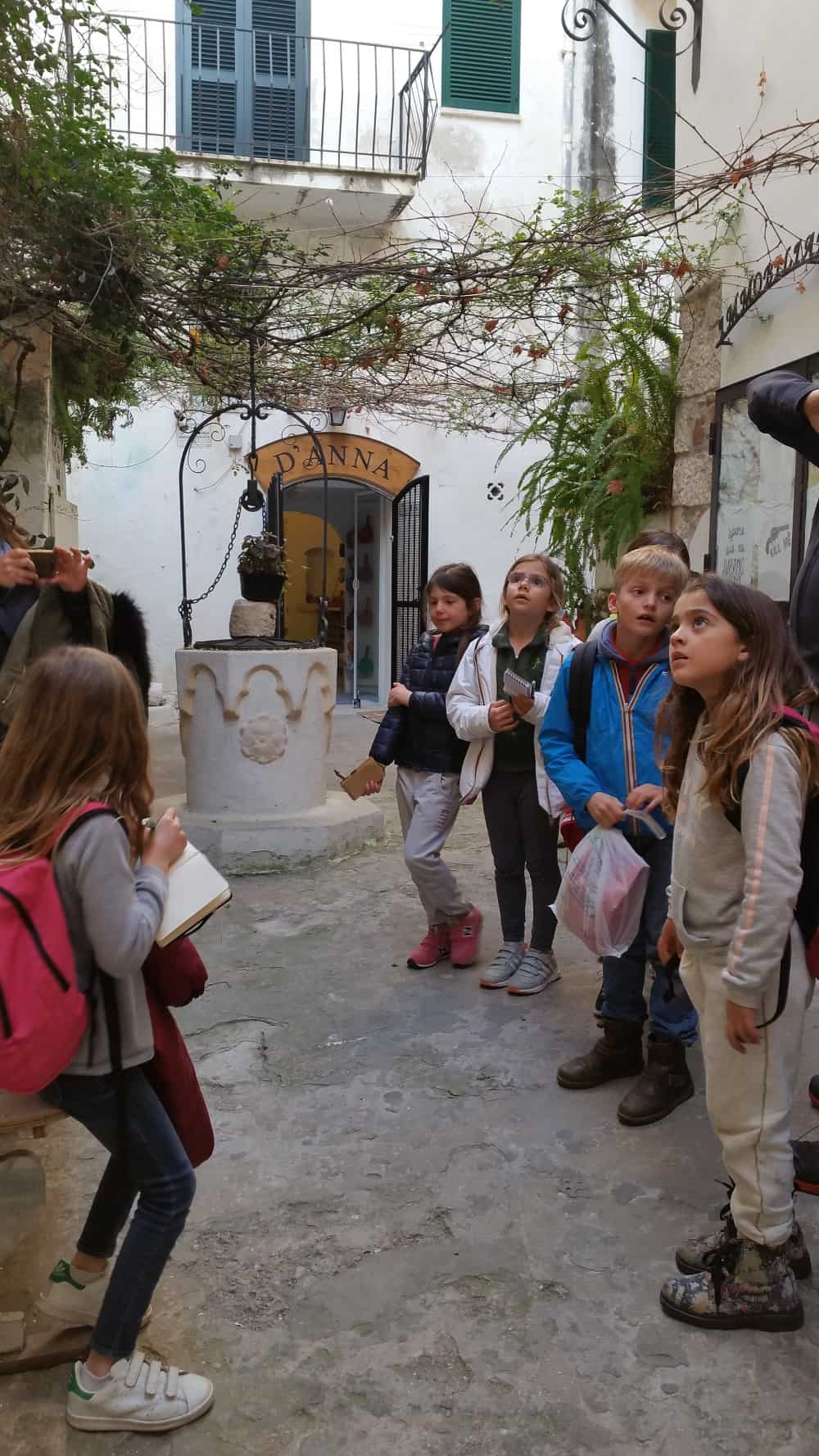
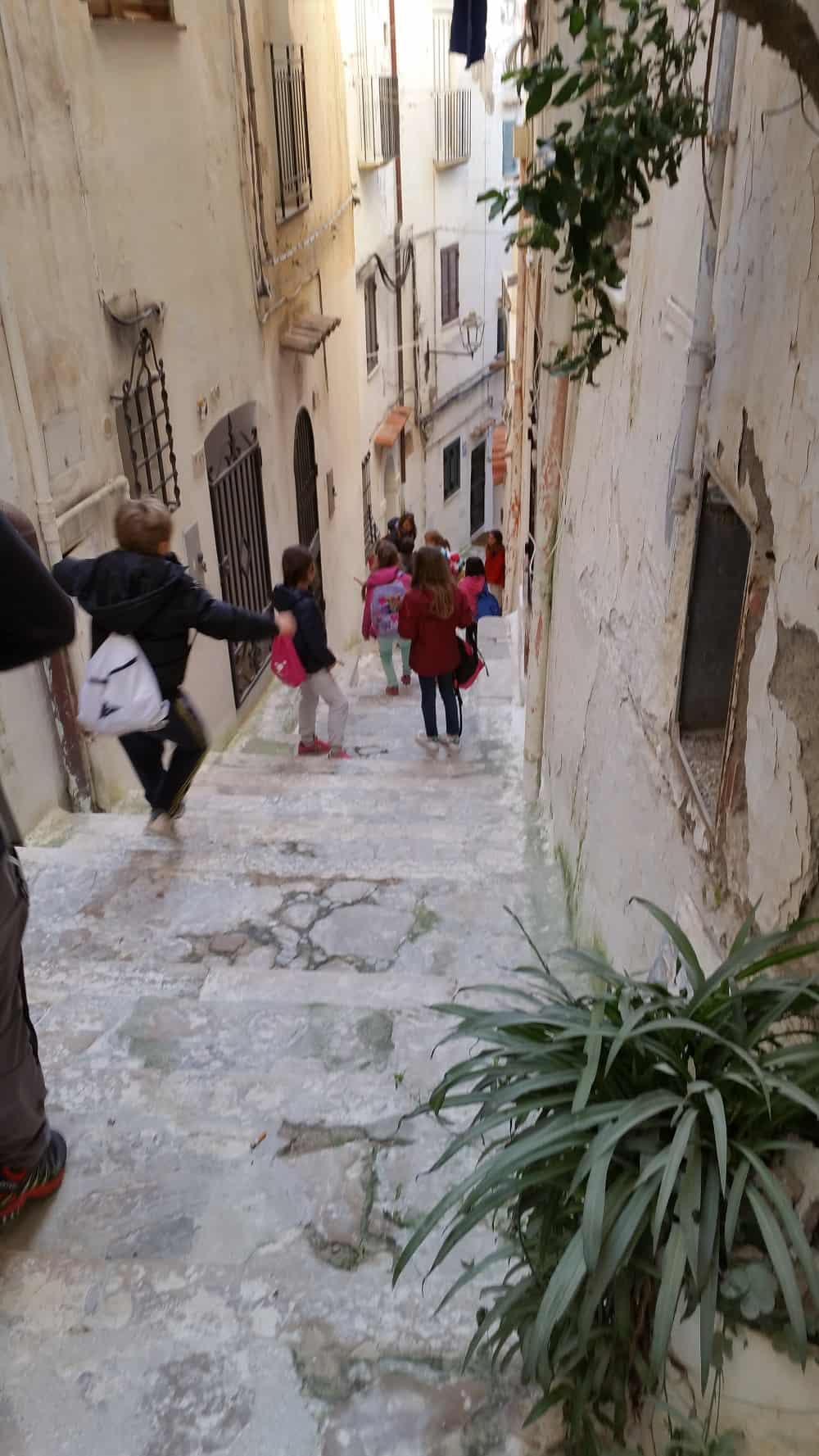
On our first day we started walking towards the beach of Sperlonga, as we begin our winding descent we caught our first glimpse of the blue Tyrrenian Sea. We stopped to have our lunch. We saw Sperlonga’s Roman archaeological site, Tiberius’ Grotto and the Museo Archeologico Nazionale.
The Emperor Tiberius is said to have had a sumptuous villa here, part of which consisted of a natural sea cave that was transformed into a lavishly decorated banqueting hall. In the grotto we also found the man-made fishponds.
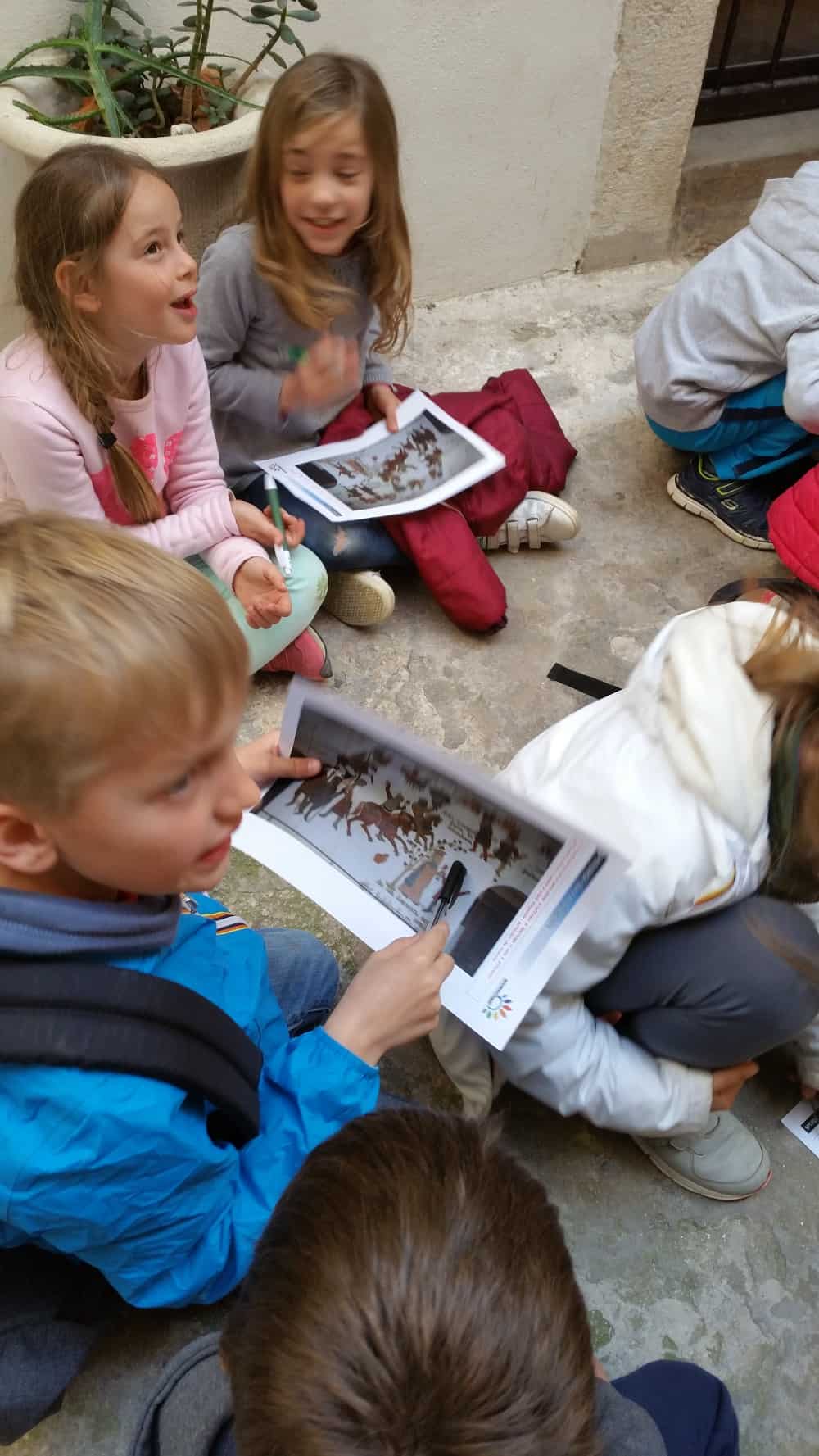
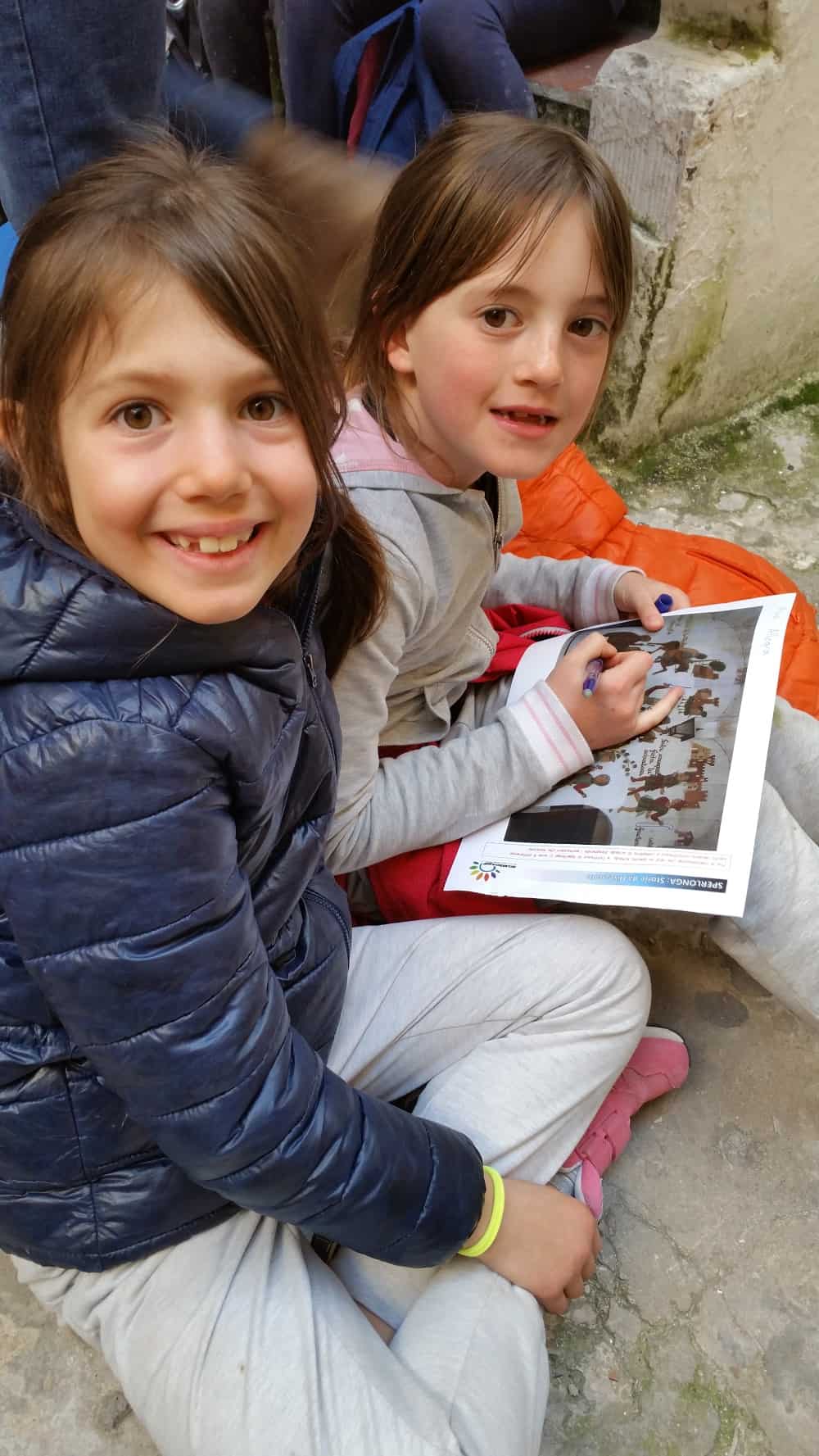
The mythological works of art have been painstakingly reconstructed in plaster and resin and can be seen in the Archaeological Museum in Sperlonga. These remarkable groups of sculptures, dating from the 2nd century BC, depicted legendary scenes taken from Homer’s “Adventures of Odysseus”.
These include “the horrific attack of Odysseus’ ship by the sea monster Scylla”, “Diomedes and Odysseus stealing the Palladion”, “Odysseus lifting the corpse of Achilles’s.
In the museum a path leads down towards the actual Grotto of Tiberius, passing a large area of excavated Roman ruins.
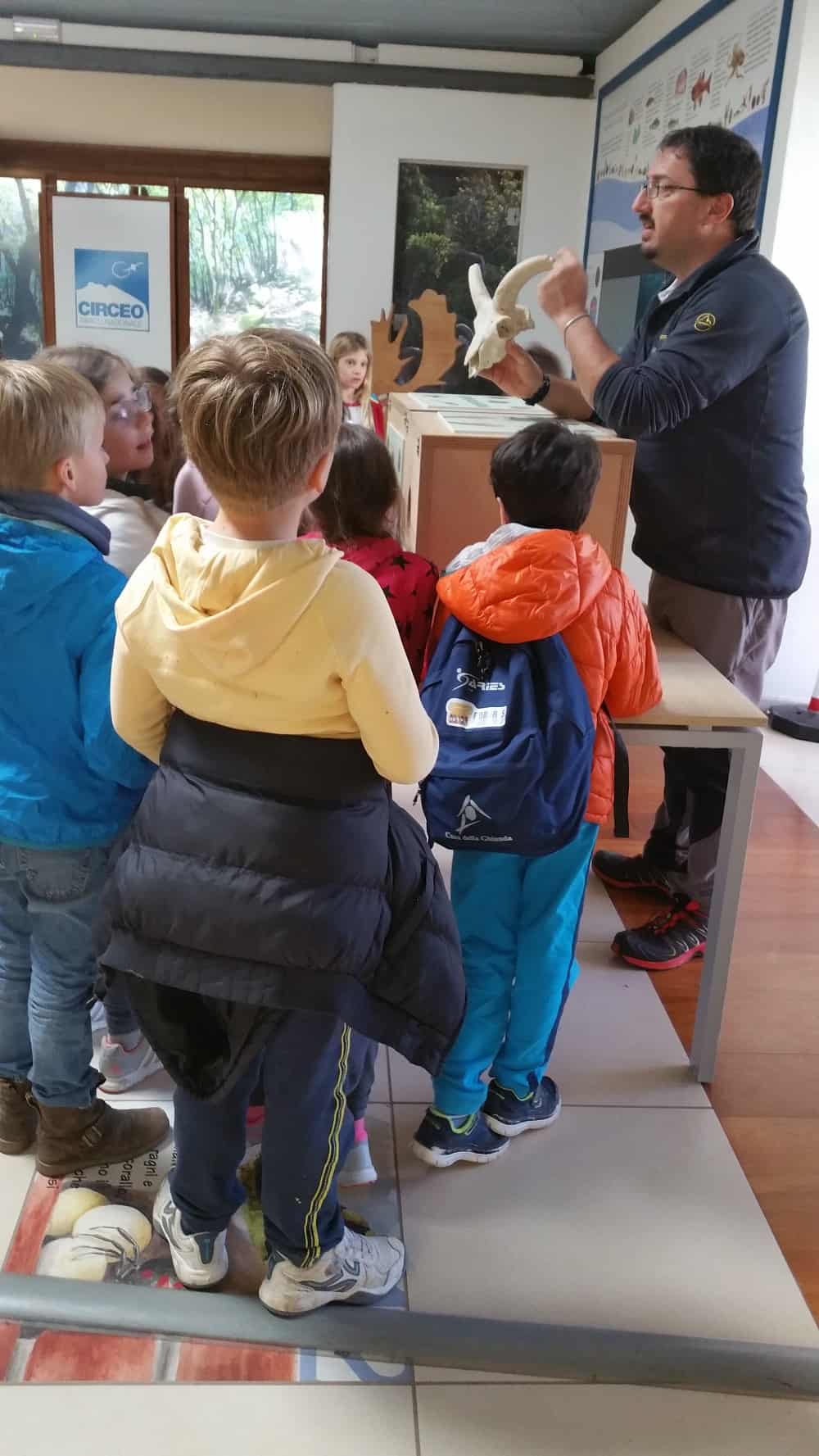
Circeo National Park
The park includes about 8.300 hectares of land and the cities of Sabaudia, San Felice Circeo and Latina, and it is the smallest park in Italy.
The Museum of Piana delle Orme
On the last day of our trip we drove up to the Piana delle Orme musem near the town of Latina on the west coast above Terracina, about 100 miles north of Naples. It’s not far from the Italian National Park of Circeo.