Fine motor skills involve the use of small muscle movements with precise thumb, finger, hand and wrist movements to manipulate, control and use tools and materials. Fine motor abilities form the basis for many of the skills that children will develop and refine as they move through childhood.
Hand-eye coordination starts to develop around five months where infants start reaching for and grasping objects and passing a toy from one hand to another. At around nine months they can poke at small objects using the index finger and pick these objects up between the index finger and thumb (the inferior pincer grasp). By the time a child is one year old; their fine motor skills have developed to allow the manipulation of objects with greater intent. As children manipulate objects with purpose, they gain experience identifying objects based on their shape, size, and weight. By engaging in hands-on play the child learns that some objects are heavy, requiring more force to move them; that some are small, easily slipping through the fingers, and that other objects come apart and can possibly be put back together again. This type of play is essential for the development of not only the child’s fine motor skills, but also for learning how the world works.
When children attend Preschool (between the ages of 2 and 4/5) they have many opportunities to develop and refine their fine motor skills through play-based activities as emphasised in the Early Years Foundation Stage Curriculum (EYFS). As children learn most effectively when they are genuinely interested in what they are doing, it is important to provide experiences and activities based on individual needs and abilities. Little hands need to develop dexterity and strength and we, as teachers or parents, can help this process by providing activities that give children the opportunity and motivation to practise manipulative skills. These include:
- building with various construction toys
- painting using different techniques (fingers, paint brushes, combs, rollers)
- tearing paper and rolling it into balls, cutting and gluing
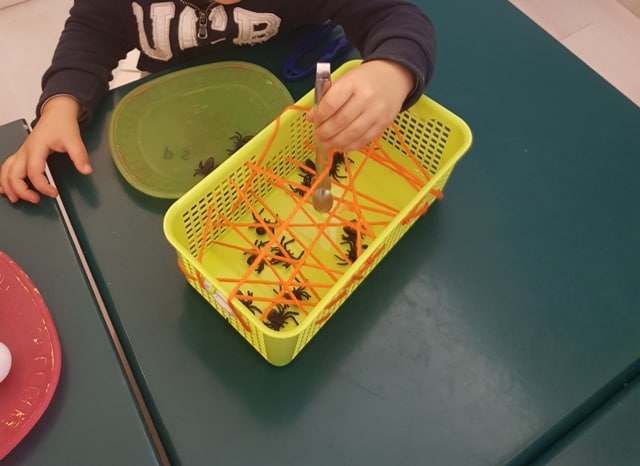
- practise with pegs, pincers and eyedroppers helps develop pincer strength
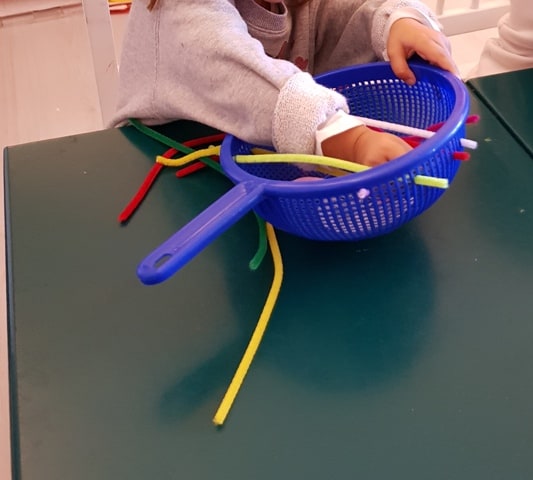
- threading activities
- simple puzzles help children learn about manipulating objects through turning, placing and flipping pieces
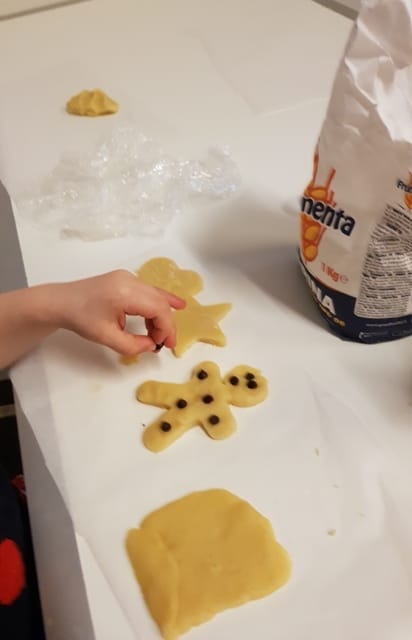
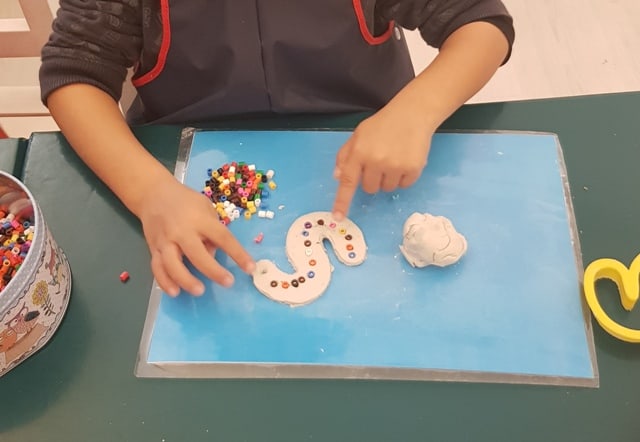
- manipulating dough or play dough
- sensorial trays filled with corn flour or water allow children to practise filling, emptying, pouring, stirring and scooping
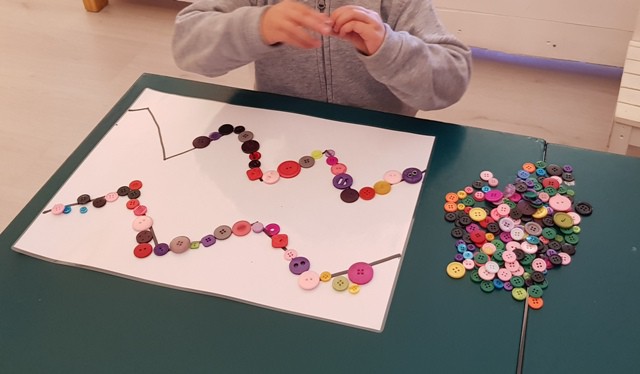
- manipulating elastics, buttons, pipe cleaners
- sand play
- small world play with play people, cars, train set
- finger play and rhymes
- drawing using triangular pencils (and appropriate accessories to support children who haven’t yet refined their pencil grip).








Other ways to help build fine motor skills at home include the following age appropriate tasks:
- setting the table
- feeding oneself, holding knives, forks, and spoons to eat
- pouring water/juice into a glass
- wiping the table with a sponge
- helping with meals (stirring, shaking and mixing)
- peeling fruit (bananas or mandarins)
- getting dressed (buttoning, zipping, buckling, and fastening)
- opening and closing containers with lids
- gardening (digging, filling, planting seeds, watering plants and weeding).
Children can do more things for themselves when they have the opportunities to practice these skills and as for all areas of development, each child will develop at their own pace.